
This article contains affiliate links. If you buy through them, we may earn a commission at no extra cost to you.
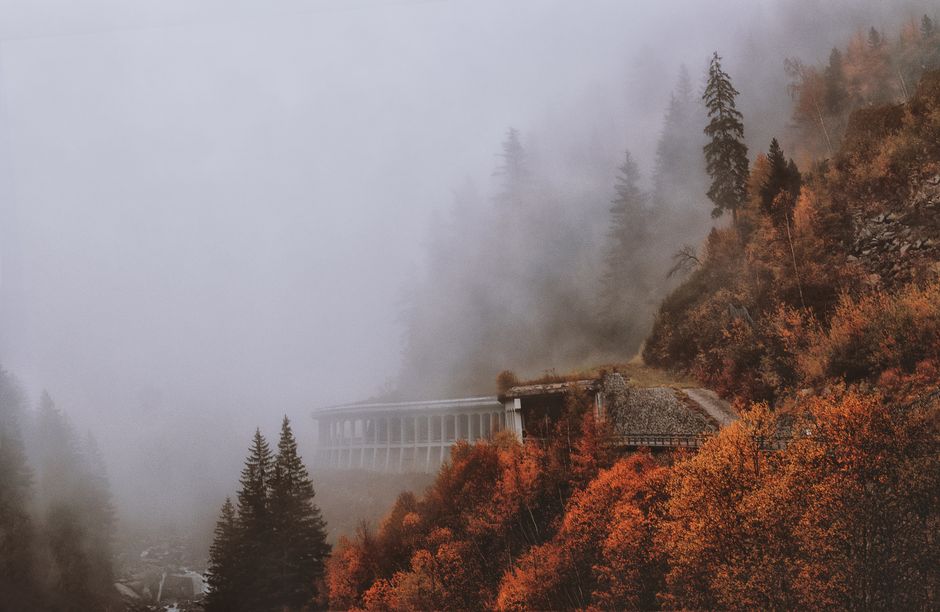
Abandoned in the late 19th century and reopened as a tourist attraction in 1989, Igarashi Tunnel in the mountains of Niigata Prefecture has managed something unusual for a haunted site: official recognition alongside its ghost story.
- The Legend
- What's Actually Verifiable
- A Ghost Story With an Official Stamp
- Tourism and Ghost Stories as Compatible Business
- Can You Visit?
- Part of a Wider Pattern: Haunted Tunnels Across Japan
- Frequently Asked Questions
- Did a girl really die in a car crash at Igarashi Tunnel?
- Is Igarashi Tunnel officially recognized?
- Why are so many tunnels in Japan considered haunted?
- Is Japan considered a haunted country?
- What makes an abandoned tunnel a likely setting for a ghost story in Japan?
- Ghost-Hunting Gear & Further Reading
- Related Stories
The Legend
The tunnel's original purpose has reportedly been lost to history — believed to have served mining purposes before later functioning as a highway tunnel — but its ghost story is more specifically dated. According to local accounts, a young girl died in a car crash inside the tunnel in the late 1940s, and her spirit has haunted its depths ever since. Visitors describe encountering her ghostly figure, along with a chill and sense of unease that several independent tellers report experiencing at the same general location within the tunnel.
The most specific version of the legend ties her activity to the full moon, when her cries are said to echo more audibly through the darkness. Other tellings describe her appearing as a white figure in a specific corner of the tunnel, or simply as an ambient, oppressive presence felt while walking its length.
What's Actually Verifiable
We could not verify the 1940s car crash against a documented record. What is independently confirmable is the tunnel's official recognition: in 2010, it was added to Niigata Prefecture's “100 Famous Places” list — a real, checkable piece of regional tourism designation that exists independent of whether the ghost story itself holds up to scrutiny.
A Ghost Story With an Official Stamp
Most haunted-tunnel legends remain purely informal, sustained through word of mouth with no institutional recognition. Igarashi Tunnel's inclusion on an official prefectural list is a notable exception — a case where local tourism authorities have effectively endorsed the site's cultural significance, ghost story included, rather than treating the haunting as something to downplay in favor of the tunnel's more mundane history.
Tourism and Ghost Stories as Compatible Business
Igarashi Tunnel's dual identity — genuine local attraction and reported haunting — shows how these two framings can coexist comfortably rather than compete. A prefecture is unlikely to formally list a site it considers reputationally risky, which suggests local tourism authorities view the ghost story as an asset to the tunnel's appeal rather than a liability worth downplaying, good marketing whatever the underlying truth turns out to be.
Can You Visit?
Igarashi Tunnel has operated as a tourist attraction since 1989 and continues to host visitors regularly, consistent with its official recognition as one of the prefecture's notable sites. As with any tunnel promoted for tourism, expect a managed, relatively safe visiting experience compared to the more genuinely abandoned tunnels this site has covered elsewhere — the ghost story here comes with a paved path rather than a trespassing risk.
Part of a Wider Pattern: Haunted Tunnels Across Japan
The Haunted Story of Igarashi Tunnel is one of dozens of similar sites documented across this site, and it fits a recognizable pattern rather than standing alone. Roughly three-quarters of Japan’s land area is mountainous, which has required over a century of tunnel construction, and older bores are typically sealed or abandoned rather than demolished once a wider, better-lit replacement opens nearby. Those abandoned alignments — not the tunnels still in daily use — are where the folklore tends to concentrate: narrow, unlit, and left to decay in a way that reads as ominous even when the underlying cause is a routine highway upgrade. Japan’s long kaidan (ghost story) storytelling tradition, which attaches spirits to liminal spaces such as tunnels, bridges, and mountain passes, gives these sites a ready-made narrative frame.
Frequently Asked Questions
Did a girl really die in a car crash at Igarashi Tunnel?
We could not verify the 1940s car crash against a documented record.
Is Igarashi Tunnel officially recognized?
Yes — in 2010, it was added to an official heritage or tourism designation, a rare case of formal recognition alongside an unverified ghost story.
Why are so many tunnels in Japan considered haunted?
Japan’s mountainous terrain (roughly three-quarters of the country) has required over a century of tunnel construction, and old bores are typically abandoned rather than removed once a newer route opens nearby. Combined with a long kaidan (ghost story) tradition of attaching spirits to liminal spaces, these abandoned tunnels became natural settings for local ghost stories.
Is Japan considered a haunted country?
Japan has one of the world’s richest documented traditions of ghost stories and haunted-location folklore, built up over centuries through kaidan storytelling, yokai folklore, and site-specific legends attached to tunnels, forests, and other liminal places. That reflects a deep cultural and narrative tradition — not a verifiable claim about supernatural activity.
What makes an abandoned tunnel a likely setting for a ghost story in Japan?
Age, disuse, and physical decay do most of the work: a dark, damp, overgrown structure that once carried traffic and now carries none reads as unsettling on its own, independent of any specific incident. As with The Haunted Story of Igarashi Tunnel, the underlying history is often more mundane — a routine bypass or road realignment — than the legend suggests.
Ghost-Hunting Gear & Further Reading
As an Amazon Associate, this site earns from qualifying purchases.
Comments