This article contains affiliate links. If you buy through them, we may earn a commission at no extra cost to you.
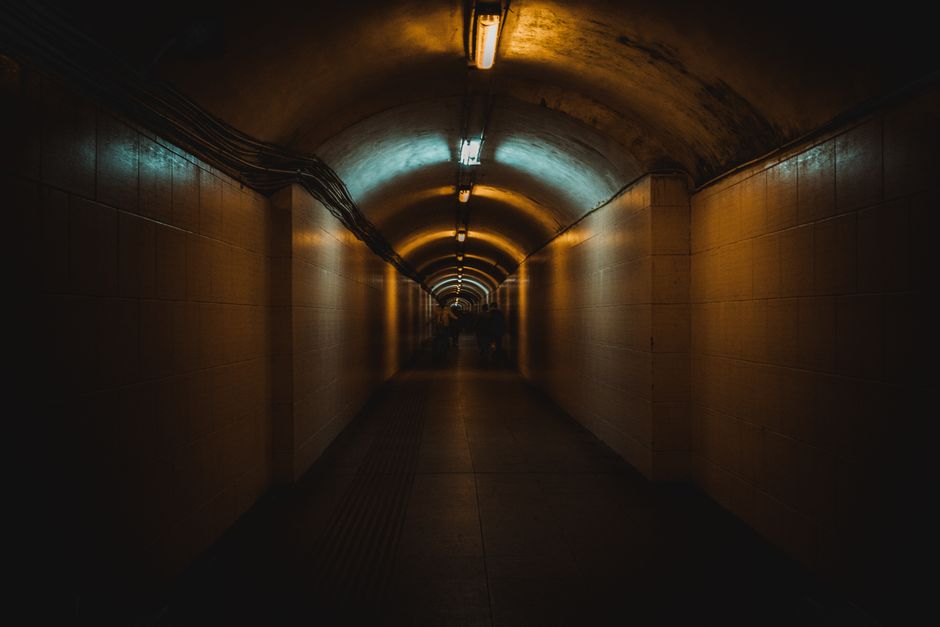
In the town of Ishinomaki, Miyagi Prefecture, an underground passage connects to the site of a former temple destroyed in the 2011 Tōhoku earthquake and tsunami — a real, documented disaster that this legend's more recent retellings have come to incorporate directly.
The Legend
According to local accounts, the passage was originally dug in the late 1600s by monks from the temple, intended as a quick emergency route to the nearby town in case of crisis. The core ghost story attached to the tunnel describes the spirit of the monk who dug it, alongside — in more recent tellings — the spirit of a woman said to have died in the 2011 earthquake, both said to haunt the passage. Visitors describe hearing chanting and seeing strange lights inside, along with occasional sightings of a robed, monk-like figure.
A separate element of the local legend describes a nearby pond, once part of the temple grounds, said to be home to a beautiful but dangerous spirit — anyone who gazes at her reflection in the water risks being cursed.
Handling the 2011 Connection With Care
We want to be direct about something specific to this legend: the 2011 Tōhoku earthquake and tsunami was a real, devastating disaster that killed thousands of people across the region, including in Ishinomaki specifically. Where local retellings connect this legend to a woman who died in that disaster, we could not verify any specific individual's death tied to this passage, and we think it's important not to treat a genuine, recent mass tragedy as simply an ingredient in an entertaining ghost story. The earthquake itself is documented history, not legend; any specific haunting attributed to it here remains unverified folklore layered onto real, recent grief.
What's Actually Verifiable
We could not verify the 1600s monk's tunnel-digging or the cursed pond against independent historical sources. The temple's destruction in the 2011 disaster, however, is consistent with widely documented damage across the Tōhoku coast, where the earthquake and tsunami destroyed or damaged an enormous number of structures, including numerous historic and religious sites.
When Old Folklore Absorbs Recent Tragedy
This legend offers a useful example of how a centuries-old ghost story can absorb a genuinely recent disaster into its retelling. The original monk legend predates 2011 by centuries; the earthquake-related addition is new enough that it's still within living memory for many Ishinomaki residents. That layering — old folklore updated with recent, real loss — is a pattern worth naming explicitly rather than treating both elements as equally distant history.
Can You Visit?
The underground passage has reportedly been closed since the 2011 disaster. Given the site's genuine connection to a real, recent tragedy, visitors should approach any exploration — or any interest in the ghost story — with the seriousness and respect due a location tied to actual, significant loss of life within living memory.
Frequently Asked Questions
Is the 2011 earthquake connection to this legend handled carefully?
Yes — the 2011 Tōhoku earthquake and tsunami was a real, devastating disaster, and we treat any specific individual’s death attached to the legend as unverified rather than repeating it as confirmed fact.
Is the pond spirit story separate from the earthquake element?
Yes — it’s an older, independent piece of local folklore about a dangerous water spirit, unrelated to the more recent 2011-era addition to the tunnel’s ghost story.
Ghost-Hunting Gear & Further Reading
- Books on the 2011 Tōhoku earthquake and tsunami
- Miyagi Prefecture history and temple architecture books
As an Amazon Associate, this site earns from qualifying purchases.
Comments