This article contains affiliate links. If you buy through them, we may earn a commission at no extra cost to you.
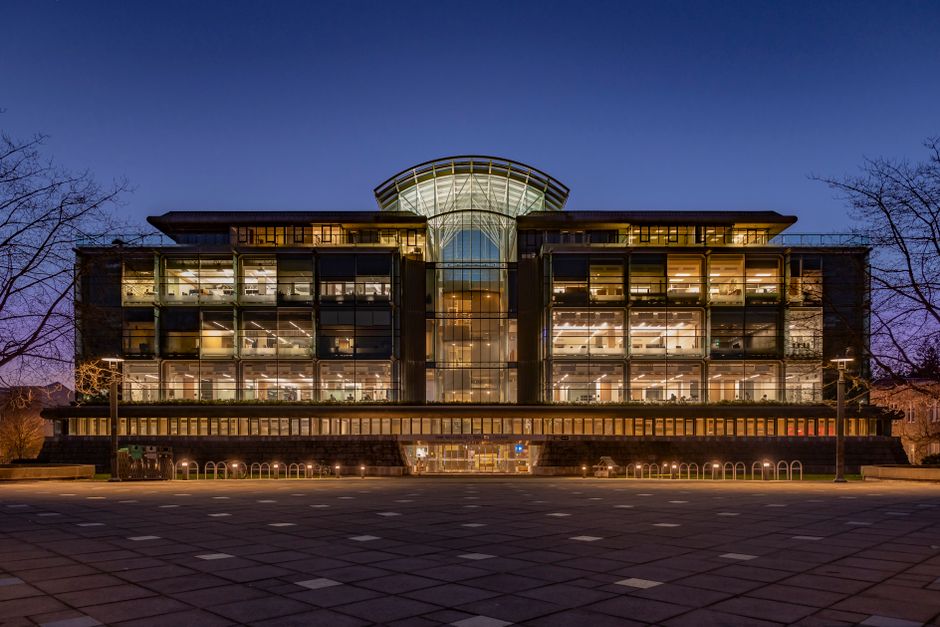
Not every haunting on this site involves an ancient road or an abandoned tunnel — some, like the “Bake Ton” of a Kyoto Prefecture agricultural university, are recent enough to have been witnessed by living students and faculty.
The Legend
According to campus tradition, reports of a figure known as the Bake Ton began circulating at least 20 years ago, when students and staff started describing strange noises and sightings around the university grounds. Witnesses consistently describe a tall, thin figure in a long coat, with a skull-like face and two red eyes — a specific, repeated physical description rare among more loosely defined campus ghost stories.
The figure has reportedly been blamed for a range of unexplained events beyond simple sightings: strange noises from the auditorium, sudden chills when it's nearby, and — in some of the more elaborate accounts — the ability to walk through walls and disappear without warning. Students have also attributed various campus mishaps, from mischievous pranks to unsettling dreams, to the Bake Ton's influence, treating it as something closer to a mischievous campus spirit than a purely threatening one.
What's Actually Verifiable
We could not verify any specific sighting or incident attributed to the Bake Ton against documented sources — this is squarely a piece of oral campus folklore, the kind of shared legend that develops organically at institutions with a long-enough history and a large-enough population of students passing through it. What's genuinely verifiable is simply that this is a real, currently circulating campus legend, actively told among students today rather than a historical curiosity — campus legends of this kind rarely get formally documented anywhere outside the community that tells them.
A Legend Without a Settled Identity
Unusually, the Bake Ton's story includes no fixed explanation for who or what it actually is — theories range from a guardian spirit, to a former student's ghost, to an unspecified ancient Japanese spirit unrelated to the university at all. That lack of resolution is common in living, actively-evolving campus folklore, where new students inherit the sightings and the fear without necessarily inheriting a single agreed-upon backstory.
Why Campus Ghosts Age Differently Than Rural Ones
A university's student population turns over almost entirely every four years, which means a campus legend has to be actively re-taught to each incoming class rather than absorbed slowly over a lifetime the way rural village folklore typically spreads. That the Bake Ton has survived multiple full student turnovers over two decades suggests the story has real staying power within the institution's oral culture, not just a single cohort's shared scare.
Cultural Significance Today
The Bake Ton remains one of the more enduring campus legends associated with Japanese universities, illustrating how ghost stories continue to form and spread in thoroughly modern institutional settings, not just in old rural locations. Its persistence over two decades suggests each incoming class has continued passing the story to the next, keeping it alive through the same oral transmission that sustains much older folklore elsewhere on this site.
Frequently Asked Questions
Is the Bake Ton a recent or historical legend?
Recent — reports date back at least 20 years, making it one of the more contemporary campus ghost stories rather than an older regional legend.
Is the Bake Ton considered dangerous?
Students generally treat it as a mischievous campus spirit blamed for pranks and unsettling dreams rather than a purely threatening presence.
Learn More
As an Amazon Associate, this site earns from qualifying purchases.
Comments