This article contains affiliate links. If you buy through them, we may earn a commission at no extra cost to you.
Correction: This article previously described “Ikoku Dam” as an 1924 recreational lake repurposed as a WWII defensive line, with a soldier’s ghost in a white uniform. Research turned up no record matching that account. The site is almost certainly Ichinokura Dam (一庫ダム) in Inagawa, Hyogo — home to the real, submerged Ryuka Tunnel — and the war-related backstory appears to be a fabrication or a mix-up with an unrelated location. We’ve rewritten this page with what’s actually documented.
A Tunnel Meiji-Era Travelers Paid to Dig
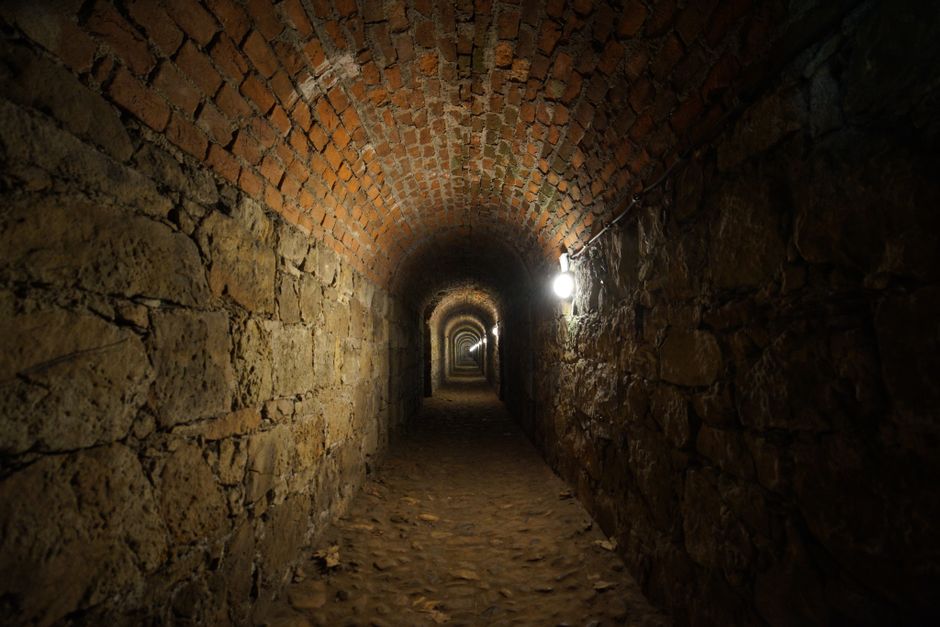
Long before there was a dam here, there was a hand-dug tunnel meant to make travel easier. The Ryuka Tunnel (龍化隧道) was cut through the mountain during the Meiji era as part of the old Tanshu highway, built at private expense over roughly five years by a local resident, Jirobei Uemura of Nose, so that travelers wouldn’t have to cross a steep pass and a river. At about 27 meters long and over four meters high, it was unusually large for a hand-dug passage of its time — the kind of civil project a single family funded because the terrain demanded it.
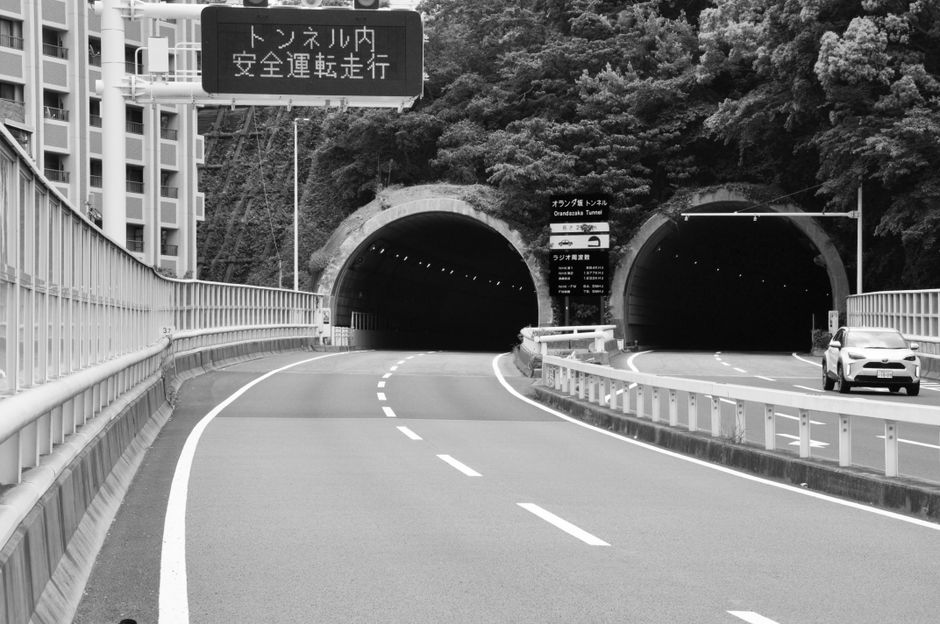
The tunnel stayed in use for decades, carrying foot and vehicle traffic along Route 173. That ended in 1977, when construction began on what would become Ichinokura Dam. A bypass tunnel was built above the original, and the old Ryuka Tunnel was abandoned and left to the rising water. The dam was completed in 1984. Today the tunnel sits submerged beneath the reservoir known as Chimeiko Lake, its entrance only reappearing when the water level drops low enough to expose it — a genuinely eerie sight that needs no invented history to unsettle people.
The "Man-Eating Dam"
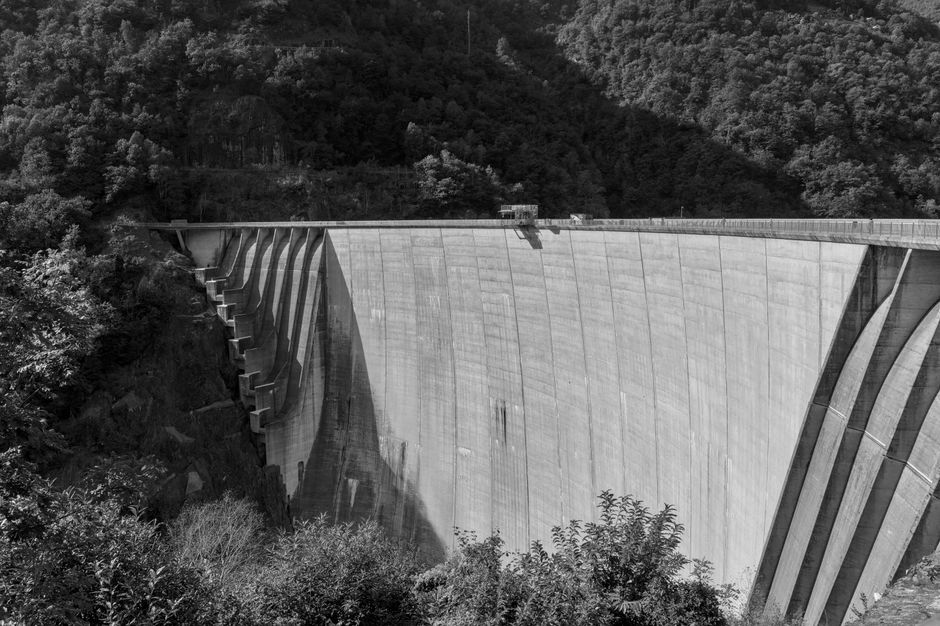
Locally, Ichinokura Dam carries a blunter nickname: 人喰いダム, the “man-eating dam.” It’s earned less through legend than through a documented pattern — a number of drownings and suicides at the reservoir over the years, enough that the name has stuck in local conversation independent of any ghost story.
The most commonly repeated apparition is a woman in white. On rainy nights, visitors describe the sound of high heels on pavement near the dam’s observation area, growing louder as if someone is approaching from behind — but no one is there when they turn around. Others describe a woman glimpsed near the water who vanishes the moment eye contact is made. A second, less consistent account describes a female figure with a fierce, sorrowful expression staring silently at visitors after dark. Neither account attaches a name or a specific incident to the woman; she’s simply present, tied to the dam’s reputation for drownings rather than to any one death.
Can You Visit?
Ichinokura Dam is a functioning water-management facility with public-facing areas, not a restricted site — it’s visited by dam enthusiasts and hikers as much as by ghost-story seekers. The submerged Ryuka Tunnel itself is only visible during low-water periods and isn’t something you can walk into; approaching the reservoir edge at night, especially in rain, carries the same real risks as any dam shoreline, separate from whatever else might be there.
Frequently Asked Questions
Was there really a WWII soldier’s ghost here?
No record supports that version of the story. It appears to be either fabricated or confused with an unrelated wartime site — the documented history here is the Meiji-era Ryuka Tunnel and its submersion when Ichinokura Dam was built.
Why is it called the “man-eating dam”?
Locals use the nickname because of a real pattern of drownings and suicides at the reservoir, not because of a single legendary event.
Can you still see the old tunnel?
Only when the reservoir’s water level drops low enough to expose the entrance — it’s normally fully submerged.
Ghost-Hunting Gear & Further Reading
As an Amazon Associate, this site earns from qualifying purchases.
Comments