This article contains affiliate links. If you buy through them, we may earn a commission at no extra cost to you.
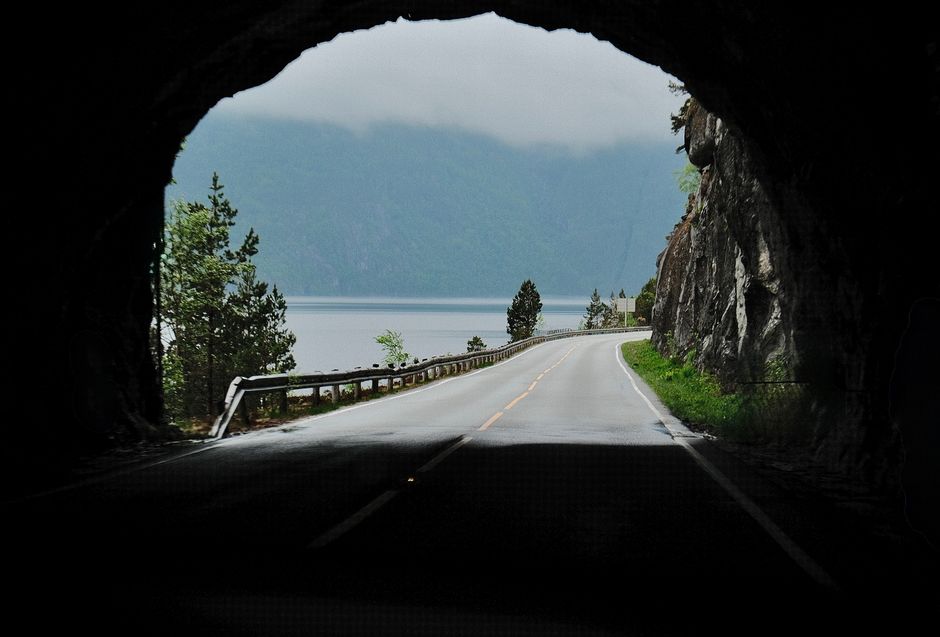
Locals call it Tonneru no Sato — the Tunnel Village — an unnamed tunnel near Lake Toyoda in Toyota-cho, Shimonoseki, Yamaguchi Prefecture. The lake itself is artificial, formed by the Kiyagawa Dam, whose construction began in 1940 to secure water for a city that had long struggled with chronic shortages. What’s grown up around the tunnel since is a specific piece of ghost-story folklore that, by several accounts, didn’t just happen here — it may have started here.
The Honk-the-Horn Ritual
The most consistently repeated version of this legend is procedural rather than atmospheric: turn off your headlights inside the tunnel and sound your horn, and a woman in white is said to appear. What makes this account distinctive is that several sources describe this specific tunnel as the origin point of that ritual — a piece of ghost-story convention that later spread to other tunnels around Japan. Whether or not that origin claim is literally true, it’s notable that Tonneru no Sato is cited as the source rather than simply another site where the trope shows up.
What's Actually Verifiable
We could not verify a specific death, disappearance, or documented incident tied to the tunnel itself. What is verifiable is grimmer in a different way: Lake Toyoda has a real, persistent local reputation for suicides, drownings, and rumors of body disposal over the years — the kind of pattern that tends to attach a haunted reputation to a body of water independent of any single ghost story. A nearby hotel, the site of a reported double suicide, has locally taken on the nickname “ghost hotel,” suggesting the area’s haunted reputation extends well past the tunnel itself.
A Park Built Over a Somber Reputation
What makes Lake Toyoda unusual among this site’s entries is the contrast between its official designation and its local reputation. The lake was designated a prefectural natural park in 1962, and a lakeside park with camping facilities opened in 1995 — infrastructure aimed squarely at recreation, birdwatching, and fishing. That official, family-friendly framing sits uneasily next to the area’s decades-long undercurrent of suicide and drowning rumors, a tension that isn’t resolved so much as simply present whenever the two reputations are mentioned in the same breath.
Can You Visit?
Lake Toyoda and its park remain open and are actively promoted for camping, fishing, and birdwatching. The tunnel itself sees occasional visitors testing the horn ritual, particularly at night. Given the lake’s real history of drownings, visitors should treat the water itself, not just the tunnel, with the same caution they’d apply to any body of water with a documented safety record, separate from whatever the ghost story implies.
Frequently Asked Questions
Did this tunnel really start the “honk your horn” ghost ritual?
Several local sources describe it as the origin point, though we couldn’t verify that claim beyond it being commonly repeated. What’s clear is the ritual is specifically and consistently associated with this tunnel.
Is Lake Toyoda’s haunted reputation just about the tunnel?
No — the lake itself carries a separate, longer-standing local reputation tied to suicides and drownings, plus a nearby hotel nicknamed the “ghost hotel” after a reported double suicide.
Ghost-Hunting Gear & Further Reading
As an Amazon Associate, this site earns from qualifying purchases.
Comments