This article contains affiliate links. If you buy through them, we may earn a commission at no extra cost to you.
Most of the tunnel legends this site covers rest entirely on oral tradition, with nothing underneath them we can independently confirm. The Former Ikoma Tunnel, near Kintetsu Ishikiri Station in Osaka Prefecture, is a rare exception — because something genuinely catastrophic did happen here, and it’s a matter of public record rather than local rumor.
What Actually Happened Here
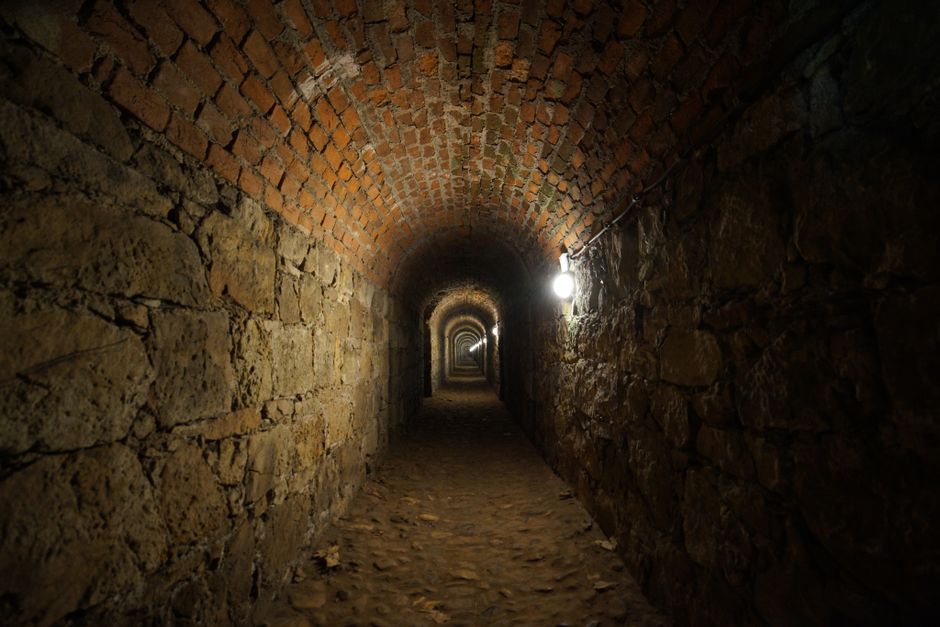
The tunnel opened in 1914 as part of the Kintetsu Nara Line, serving trains until a wider tunnel replaced it in 1964. In between, on a day in 1948, a brake failure inside the tunnel left a train stalled on the tracks. An express train following behind, unable to stop in time, struck it at roughly 80 kilometers per hour. Forty-nine people died. Two hundred eighty-two were injured. It remains one of the deadliest rail accidents in the line’s history, and the tunnel itself — not a nearby station, not an adjacent stretch of track, but this specific tunnel — is where the brake failure that started the chain of events occurred. A shrine called Hakuryū Daijin now stands near the tunnel entrance, built to honor the victims and, according to local accounts, to pray for the safety of trains still passing nearby.
The Ghost Story Told Alongside It
Layered over that documented history is a separate, older-sounding legend: a family, sometimes named and sometimes not depending on the telling, is said to have built the tunnel and an adjoining cave generations ago as a hiding place from a powerful rival, sheltering there for years until the enemy found the entrance and forced them out. Locals say the tunnel has belonged to the family’s ghosts ever since — strange noises, unexplained lights, and in some versions a small girl seen standing just inside the entrance, watching the road as if still waiting for family members who never came back.
What’s Actually Verifiable
The 1948 disaster is confirmed by rail history and casualty records; the family-hideout legend is not — we found no primary source naming the family or dating the conflict, and it reads as the kind of story that gets layered onto an already-unsettling location over decades of retelling rather than a preserved historical account. It’s worth noting plainly that these are two separate stories sharing one site: a real tragedy with a real death toll, and a folk legend that predates or postdates it depending on which version a given teller learned first. Conflating the two risks either overstating the ghost story’s credibility or understating the real one’s weight.
Why the Tunnel Still Draws Attention
Every summer, per local accounts, the tunnel gets talked about again as a haunted destination — a pattern common to Japanese “most haunted” list culture generally. What sets this site apart from most is that the underlying reason for its reputation doesn’t need the supernatural angle at all. A tunnel where 49 people died in a single afternoon carries weight on its own, shrine or no shrine, ghost story or no ghost story.
Can You Visit?
The tunnel interior now carries high-voltage electrical lines and is strictly managed by Kintetsu Railway for safety, meaning it is not open for casual entry. Visitors can see the entrance and the Hakuryū Daijin shrine from outside, roughly 450 meters from Kintetsu Ishikiri Station, without attempting to go inside.
Frequently Asked Questions
Did people really die at the Former Ikoma Tunnel?
Yes — a documented 1948 collision, caused by a brake failure inside the tunnel, killed 49 people and injured 282. This is confirmed rail history, separate from the ghost legend.
Is the family-hideout ghost story also true?
No confirmed source ties it to a real historical family or conflict — it circulates as local legend layered onto the site independently of the 1948 disaster.
Ghost-Hunting Gear & Further Reading
As an Amazon Associate, this site earns from qualifying purchases.
Comments