This article contains affiliate links. If you buy through them, we may earn a commission at no extra cost to you.
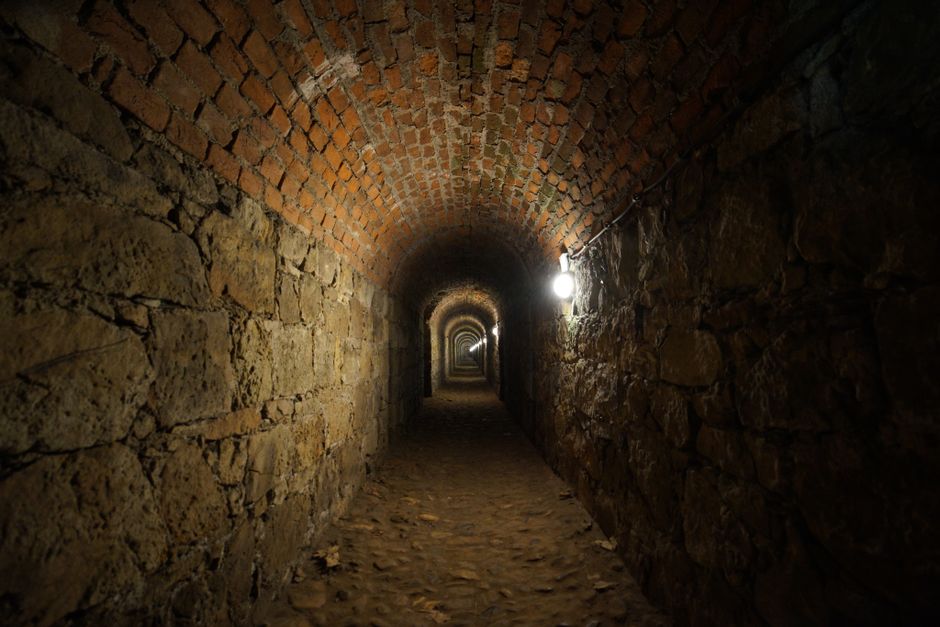
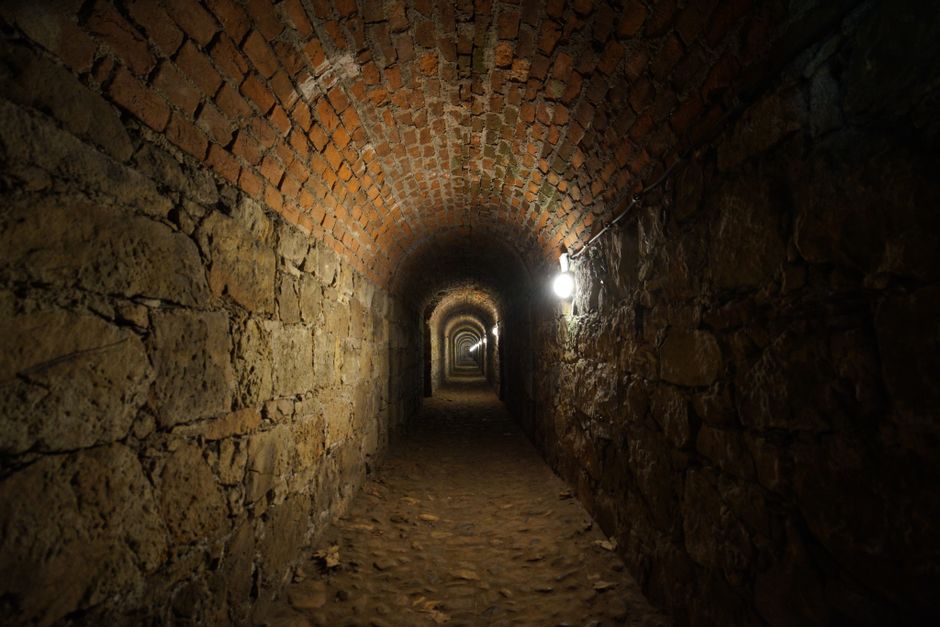
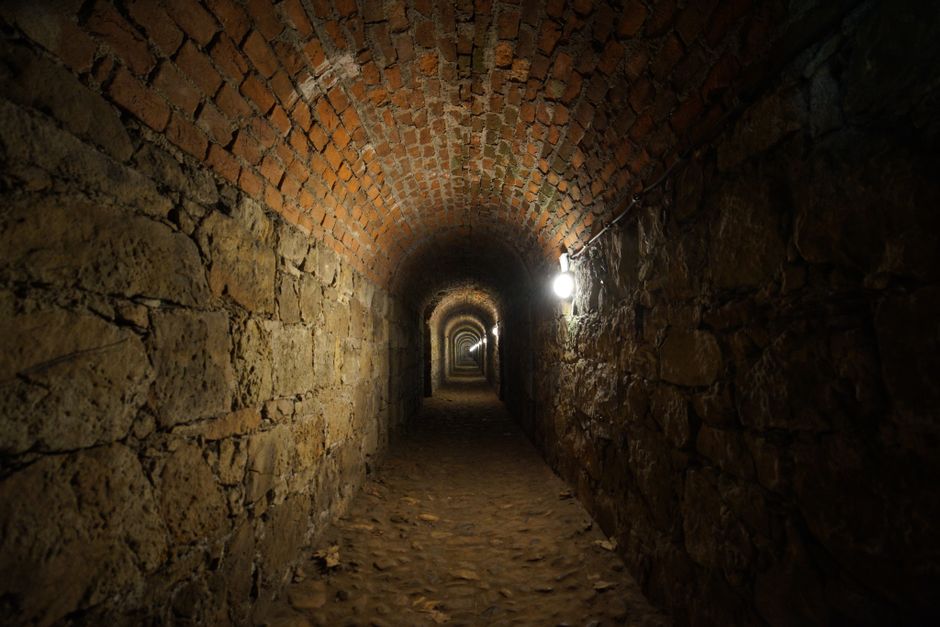
Built in 1699 near the historic Amagami-jo Castle in Hyogo Prefecture, this centuries-old passage carries a haunting that connects to Japan’s feudal past rather than a more recent, dateable tragedy.
The Legend
The tunnel served as the primary route for merchants and travelers passing through the mountains to reach the castle, which stood from the mid-16th century into the Edo period. According to local legend, the haunting traces to 1849, when a servant of the local shogun was traveling through the tunnel and, upon exiting, encountered a gigantic man on horseback at the entrance — armored, wearing a red faceplate, with a fierce expression. Terrified, the servant fled and reportedly never returned. Local belief holds the figure was the spirit of a deceased shogun, returning to guard the tunnel from intruders — a protective haunting rather than a purely malevolent one. Other stories layered onto the same tunnel over time include a woman who warns travelers of danger and a bride said to cry out while searching for a lost groom.
A Guardian, Not a Predator
What sets this legend apart from most tunnel hauntings on this site is its framing. The armored horseman isn’t described as hunting or harming anyone who encounters him — he appears, he frightens, and the servant flees, but nothing in the story has him pursuing or attacking. That guardian framing fits a broader pattern in Japanese folklore where the spirits of the powerful dead are imagined protecting the places tied to their former authority, rather than tormenting the living out of malice. It also explains why the woman-who-warns and the crying-bride stories were able to attach themselves to the same tunnel without contradiction: a guardian haunting has room for other, unrelated spirits to coexist in a way a single dominant vengeful ghost usually doesn’t.
What’s Actually Verifiable
We could not verify the 1849 servant’s encounter against a documented record. The tunnel’s 1699 construction date and its connection to Amagami-jo Castle is a firmer historical anchor than most legends on this site get — the castle’s existence from the mid-16th century through the Edo period is the kind of detail more likely to be independently confirmable, even where the specific ghost sighting attached to it isn’t. We were not able to independently corroborate the castle and construction dates beyond the local sourcing behind this account, so we present them as historically plausible rather than fully confirmed.
Frequently Asked Questions
Is the shogun’s ghost at Amagami Tunnel dangerous?
No — the legend describes a guardian haunting. The armored rider frightens whoever encounters him but isn’t described as pursuing or harming anyone.
Are the woman-who-warns and crying-bride stories connected to the shogun legend?
They’re layered onto the same tunnel but function as separate stories, which the guardian framing of the main legend makes easier to coexist with than a single vengeful-ghost narrative would.
Ghost-Hunting Gear & Further Reading
As an Amazon Associate, this site earns from qualifying purchases.
Comments