This article contains affiliate links. If you buy through them, we may earn a commission at no extra cost to you.
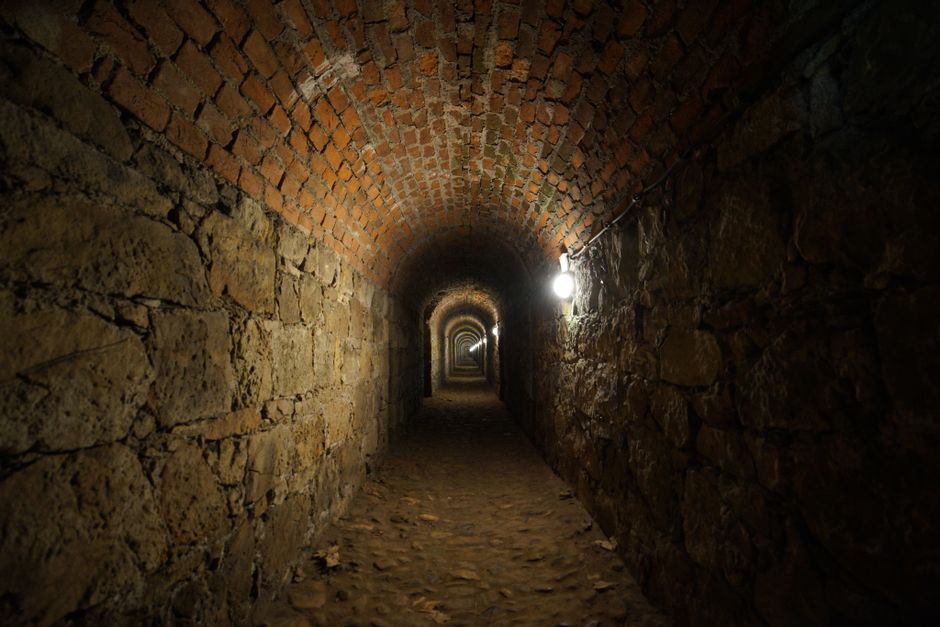
This winding mountain passage in Yamanouchi, Shimotakai District, Nagano Prefecture, carries two names: locals often call it Ryuo Tunnel, the Dragon King Tunnel, while its formal name on Japanese paranormal-site listings is Yamamase Tunnel. The legend frames itself less as a haunting and more as a genuine threshold to somewhere else entirely.
The Legend
According to local accounts, a symbol carved into the rock at the tunnel’s entrance was placed there specifically to ward off evil creatures and supernatural forces believed to lurk within — framing the tunnel as a site people once actively tried to seal against something, rather than a location that simply accumulated ghost stories after the fact. Some locals describe it as an entrance to another world, a gate to the afterlife. The most specific figure attached to the legend is a young boy who died mysteriously inside the tunnel, his spirit said to linger and, according to some tellers, still cry out in the darkness.
What Visitors Actually Report
Independent Japanese-language accounts of the tunnel describe a more specific and stranger set of phenomena than the boy’s-cry story alone: visitors report hearing laughter from nowhere while walking through, a sudden sensation of something covering them, and in a few tellings, pain in the left foot as if something were pulling it — a symptom some visitors say only eased after sprinkling salt at a convenience store on the way out. These accounts attribute the haunting to workers who died in accidents during the tunnel’s construction, which is a different origin story than the boy narrative, running alongside it rather than replacing it.
What’s Actually Verifiable
We could not verify the boy’s death, the construction-worker deaths, or confirm any documented origin for the warding symbol at the entrance. Protective symbols and wards at the entrances to caves, tunnels, and mountain passes are a genuine, well-documented practice across Japanese folk religion more broadly, which lends some plausibility to a carved ward existing at this location even without confirming its specific supernatural purpose or age. The salt-purification detail is a recognizable piece of Japanese folk practice (salt is a standard purification agent in Shinto custom) rather than something invented specifically for this tunnel, which is worth knowing if you encounter the detail elsewhere.
Frequently Asked Questions
Is Ryuo Tunnel the same place as Yamamase Tunnel?
Yes — Japanese sources use both names interchangeably for this location in Yamanouchi, Shimotakai District.
What causes the reported left-foot pain?
This isn’t something we can explain or verify. It’s a recurring detail in visitor accounts, alongside laughter and a sensation of being covered, distinct from the boy’s-ghost story that gets more attention elsewhere.
Ghost-Hunting Gear & Further Reading
As an Amazon Associate, this site earns from qualifying purchases.
Comments