This article contains affiliate links. If you buy through them, we may earn a commission at no extra cost to you.
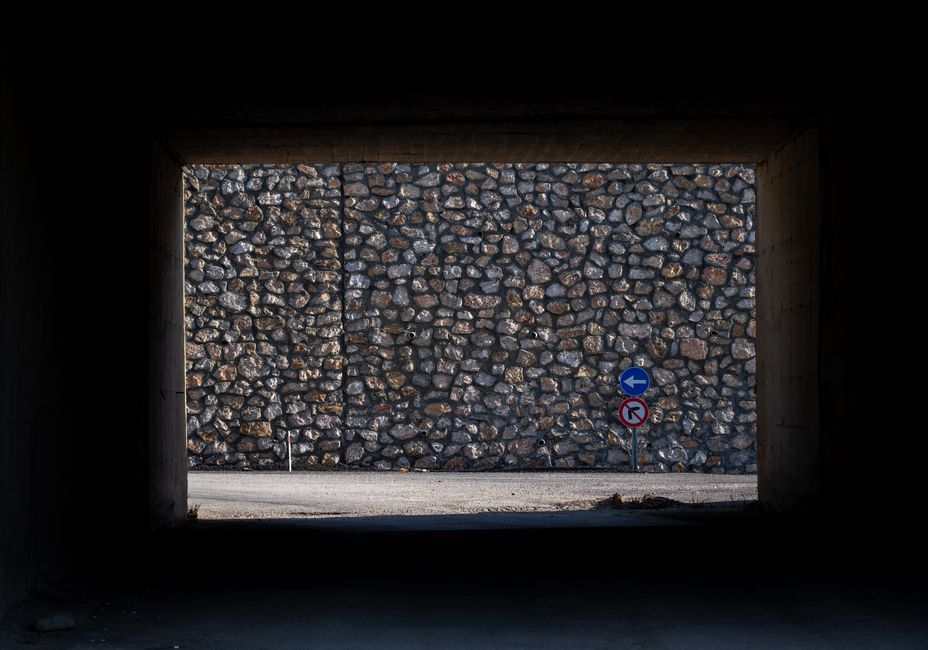
Deep in the hills of Shizuoka Prefecture, the Fune-Akari Tunnel was, by most accounts, a genuine feat of Meiji-era engineering — nearly three kilometers long with seven distinct turns, built to connect the city of Komatsu with the surrounding countryside. Its impressive construction didn’t stop it from acquiring one of the more physically unsettling reputations among this site’s Japanese tunnel legends.
A Haunting Felt More Than Seen
According to local accounts, tales of supernatural activity began not long after the tunnel’s completion, driven by its secluded location and the long stretches of total darkness within. Locals describe eerie cries echoing from its depths, strange lights and shadows moving along the walls, and a ghostly figure — sometimes described as an old man — said to vanish without a trace if anyone attempts to approach directly. What sets this legend apart is how much of the reported experience is physiological rather than purely visual: workers and travelers describe unexplained dizziness and nausea while passing through, and the most serious claims involve people disappearing entirely while traversing the tunnel.
We could not verify any specific disappearance or worker account against independent documentation — claims of people vanishing while passing through a tunnel are serious enough that we want to flag plainly that no record of missing persons tied to this specific site could be located.
A Mundane Explanation Worth Considering
In a genuinely long, dark, poorly ventilated tunnel with multiple turns, dizziness, nausea, and disorientation could plausibly stem from mundane causes — reduced oxygen circulation, or disorientation from repeated turns in total darkness — rather than anything supernatural, even if locals have interpreted the symptoms as evidence of a haunting. The tunnel’s Meiji-era construction and unusual seven-turn design are well-documented engineering history, consistent with the ambitious, difficult mountain-tunnel projects undertaken across Japan during this period of rapid infrastructure development.
Can You Visit?
The Fune-Akari Tunnel remains part of the connection between Komatsu and the surrounding Shizuoka countryside. Given both its genuine length and its reported disorientation effects, visitors should treat basic tunnel safety — lighting, ventilation awareness, staying oriented through the turns — as seriously as the legend itself.
Frequently Asked Questions
Have people really disappeared in Fune-Akari Tunnel?
We could not verify any specific disappearance against a documented record — this remains the most serious and least corroborated claim attached to the legend.
Is the tunnel a genuine engineering landmark?
Yes — its nearly three-kilometer length and seven distinct turns are a real, documented feat of Meiji-era construction, independent of the ghost claims layered on top.
Ghost-Hunting Gear & Further Reading
- Books on Meiji-era Japanese engineering and infrastructure
- Shizuoka Prefecture travel and history guides
As an Amazon Associate, this site earns from qualifying purchases.
Comments