This article contains affiliate links. If you buy through them, we may earn a commission at no extra cost to you.
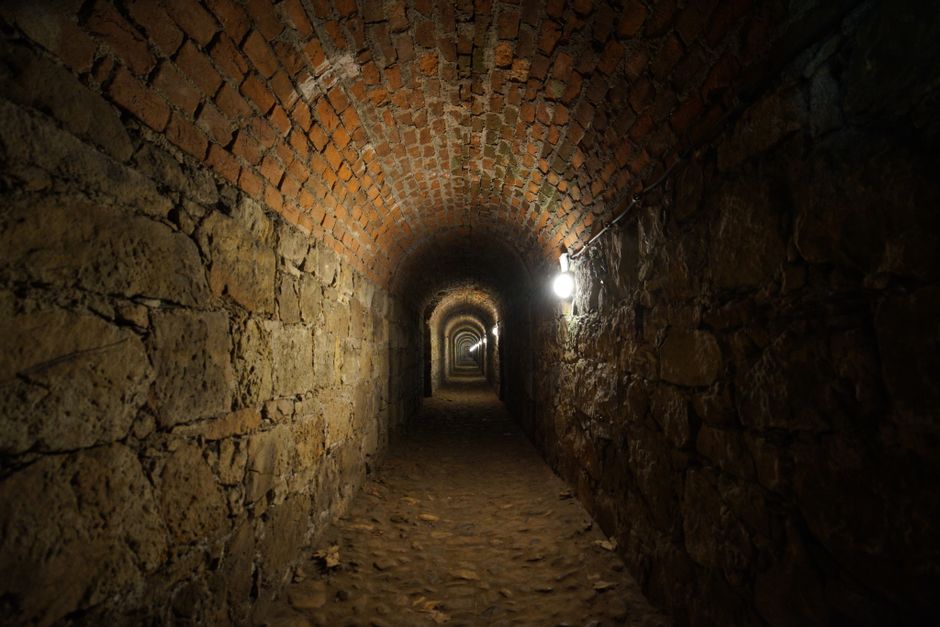
Known locally as the “50 Island Tunnel” for the cluster of small islands scattered through the surrounding area, this 600-meter passage is usually placed in Murakami, Niigata Prefecture, in the accounts that circulate about it. Checking that placement turned up a complication worth being upfront about.
The Legend
The tunnel’s central figure is a woman in white, seen near the entrance according to numerous independent accounts. Her identity varies by teller: some describe her as the spirit of a woman who drowned in the nearby river, others as the ghost of a monk who died inside the tunnel itself. Beyond her, visitors describe a strange light appearing periodically and sightings of a figure in a black robe, interpreted locally as a separate, more malevolent presence. Local legend also frames some of the deaths tied to the tunnel as sacrifice rather than accident — monks said to have given their lives to protect the people of the area.
A Name That Points Two Directions
Japanese-language sources for a tunnel matching this “50 Island” description place it in Agō-machi, East Kamo Ward — not Murakami — built in 1958 and used until 1979, when a replacement tunnel opened nearby and the old one was abandoned. That tunnel sits along the Agano River and carries its own reported white-clad woman sighting, which lines up with the core of this legend. Whether that Agō-machi tunnel and the one commonly labeled “Ichishima Tunnel, Murakami” are the same physical structure under two different regional labels, or two separate tunnels that share a nearly identical ghost story, isn’t something we could resolve with confidence. Niigata Prefecture has several tunnels along the Agano River system with overlapping white-woman legends, which makes this kind of cross-attribution easy to happen without anyone intending to mislead.
What’s Actually Verifiable
We could not verify any of the specific deaths — the drowned woman, the monk, or any sacrificial framing — against a documented source, under either the Murakami or Agō-machi placement. The 1958–1979 construction and abandonment dates for the Agō-machi tunnel are independently documented, which is more than most tunnels on this site can claim, but we’re not confident enough in the location match to present those dates as this specific tunnel’s history without the caveat above. The broader reputation as one of the region’s most consistently reported haunted sites is real regardless of which exact tunnel it belongs to.
Frequently Asked Questions
Is Ichishima Tunnel really in Murakami?
Most accounts place it there, but the closest documented match we found for a “50 Island”-named tunnel with this exact ghost story is located in Agō-machi, East Kamo Ward, further south. We could not confirm whether these are the same tunnel under different regional names.
Which ghost explanation is the “real” one — the drowned woman or the monk?
Neither is documented. Both circulate as roughly equal alternate explanations for the same recurring white-clad-figure sighting, without one displacing the other over time.
Ghost-Hunting Gear & Further Reading
- Books on Japanese haunted places and regional ghost stories
- Niigata Prefecture travel and history guides
As an Amazon Associate, this site earns from qualifying purchases.
Comments