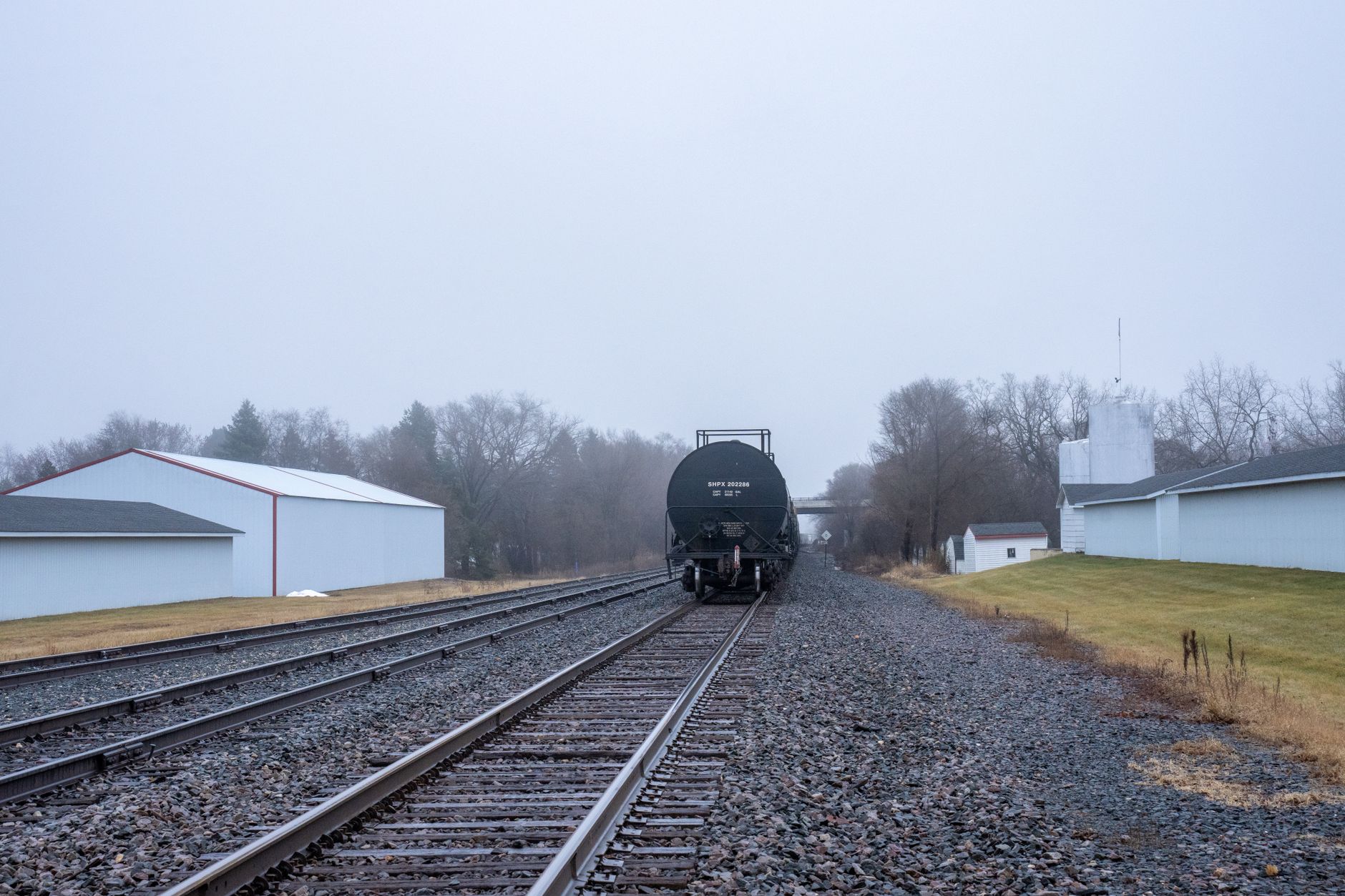
Is Teke Teke a true story? We could not find a verified historical incident behind it. Teke Teke is a Japanese urban legend about the ghost of a woman or schoolgirl cut in half by a train. Sources describe its origin as unclear, and we found no documented accident, date or name that anchors it. What can be traced is how the story is told, how it relates to older and neighboring legends, and how it later spread through books, the internet and film.
What the legend says
In the most common telling, a schoolgirl falls onto a railway line, or is trapped there, and a train severs her body at the waist. According to the legend, she does not die at once, and her spirit returns as an onryo, a vengeful ghost. English-language summaries place the story in northern Japan and say she suffered because of the neglect of station staff. The details vary a great deal between tellings.
The ghost is said to travel on her hands or elbows and to make a scraping “teke teke” sound, which gives her the name. Locals say, in the story’s usual form, that she chases people at night around cities and train stations and cuts her victims in half to match her own body. These details come from the legend itself, not from any record of a real event.
Is there a real incident behind it?
We could not verify one. The English-language Wikipedia article gives no date for any original incident. One folklore source we checked says the many versions make it impossible to know the original story or where it began. A Japanese explainer site mentions a cold, northern-city setting, but it cites no primary source, so we treat that as part of the legend and not as history.
You will also find online claims about a specific postwar incident in Hokkaido. The one place we saw it, it was presented as “one story” and not as a documented event. We could not verify this. Treat any claim of a named victim, exact date or station with caution unless it cites a contemporary record.
Related legends and possible roots
The legend does not stand alone. Wikipedia describes Kashima Reiko as a related figure whose legs were severed by a train. Her story is said to predate Teke Teke’s, and the essayist Yuki Yoshida suggests the two legends influenced each other. Kashima Reiko is said to haunt bathroom stalls and ask occupants where her legs are. We cover her in a separate article.
Teke Teke also belongs to the tradition of school ghost stories. Many of these circulate among students, such as Hanako-san of the toilet. For the wider genre, see our guide to Japanese school ghost stories. We found no source directly tying Teke Teke to Hanako-san, so we group them by genre only.
Two more details come with caveats:
- A possible link to a survival phrase. Some tellings say the phrase kamen shinin ma is the sound behind Kashima’s name. Wikipedia presents this as a possibility only.
- A song-based version. A popular story linking the legend to the children’s song Satchan is described as one version that spread online. It is not an established origin.
One yokai-reference site argues that a half-body moving with an eerie sound is a simple scene that may predate the train story. It also notes similar names in other regions, such as “Patapata-san” in Kagoshima. This is one author’s argument, and we could not confirm it elsewhere.
Documented versus invented
- Documented: The legend is widely retold in Japan and abroad, and a 2009 horror film titled Teketeke was based on it.
- Oral tradition and online retelling: The train accident, the schoolgirl, the hands-and-elbows movement and the chase are all part of the story as told. Many details change from teller to teller.
- Not verified: A specific real victim, a dated accident, a named station and any first printed appearance. We did not find these in the sources we checked.
The legend is a close cousin of other modern Japanese tales, such as Kuchisake-onna. Like her, Teke Teke is a woman whose body was harmed and who is said to take revenge. For a wider view, see our complete guide to Japanese yokai and urban legends.
Cultural significance today
Teke Teke shows how Japanese ghost stories adapt to modern settings. The ghost no longer haunts a well or an old house. She haunts a commuter station, and the setting reflects everyday anxiety about trains, night travel and bodily harm. Because the legend is built from many retellings, it has no single author or origin. It is better understood as a shared story that people keep reshaping than as a record of one event.
It is best to read it as folklore. The people who tell these stories are keeping a living tradition. Any real person who died on a railway deserves to be treated with respect, and the legend should not be taken as evidence about a specific victim.
Learn More
- Books on Japanese yokai and folklore
- Japanese ghost stories (kaidan) collections
- Books on Japanese urban legends
As an Amazon Associate, this site earns from qualifying purchases.