This article contains affiliate links. If you buy through them, we may earn a commission at no extra cost to you.
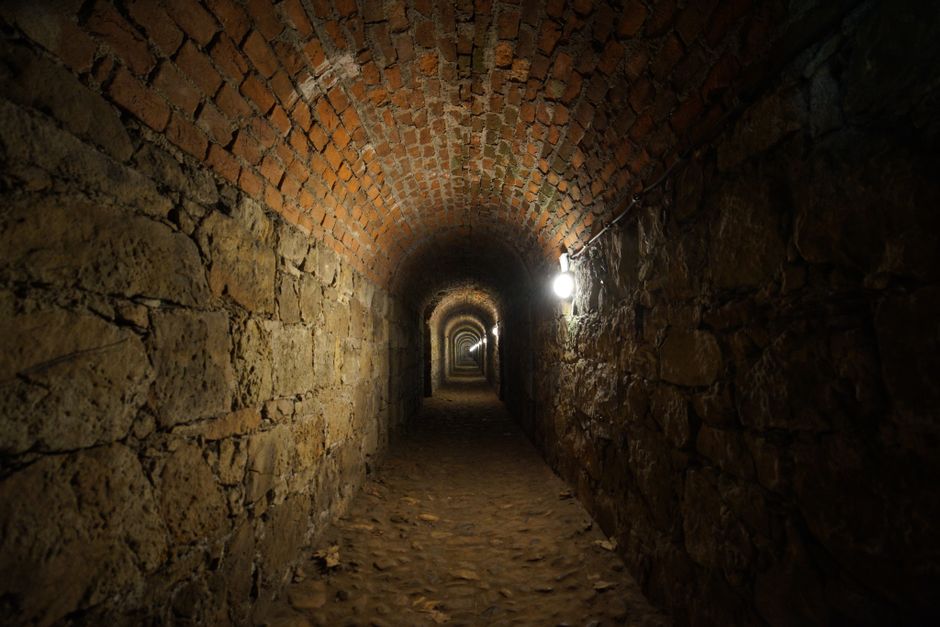
Ask about this tunnel near Ōdaka Station, between Nagoya and Toyohashi in Aichi Prefecture, and you’ll get two different names depending on who you ask. Some call it Habisaka — 鉢地坂トンネル. Others call it Kachi-Zaka-Tonnel. Both names point to the same stretch of track, and both come attached to a different wartime tragedy.
Two Stories, One Tunnel
The Habisaka version centers on a derailment: a train serving a military purpose during the 1940s reportedly crashed inside the tunnel, and local legend blames a woman aboard — some tellings say she was overcome by fear of the tunnel itself, and that her panic somehow caused the disaster. It’s an explanation that says more about how frightening the tunnel already felt to people nearby than about anything resembling accident physics.
The Kachi-Zaka-Tonnel version is more detailed and considerably sadder. A soldier’s wife loses her husband in a wartime bombing raid shortly after the two are separated. His spirit, the story goes, returns to see her one last time — inside the tunnel. Overwhelmed by the reunion, she takes her own life there. Her ghost, a woman in white walking the tunnel’s length late at night, is the figure most consistently reported by anyone who claims to have seen something at all.
What’s Actually Verifiable
Neither story checks out against any documented wartime incident we could locate specific to this tunnel. That doesn’t make either story implausible on its face — Japan’s rail network absorbed real bombing damage and real derailments during the 1940s, and infrastructure from this exact period shows up disproportionately often across the country’s ghost-story map for that reason. But nothing ties a named tragedy, a date, or a casualty count to this particular tunnel beyond what people have told each other for eighty years.
Why Locals Still Steer Clear
Whatever the true origin, the avoidance is treated as real rather than performative. People in the area reportedly stay away after dark, and the phrase attached to the tunnel — that those who enter will never return — gets repeated flatly enough that it functions less like a campfire scare and more like an ordinary safety rule that happens to have a ghost attached to it.
How the Dual Naming Happened
The two names are themselves a small piece of evidence for how the legend evolved. Rather than one fixed story passed down intact, it’s more likely that two separate wartime tragedies — real or invented — merged over decades of retelling into a single haunted tunnel, with each storyteller defaulting to whichever name and backstory they happened to hear first. Neither version has fully displaced the other, which is part of why the tunnel still carries both.
Can You Visit?
Habisaka Tunnel remains accessible near Ōdaka Station along the Nagoya–Toyohashi corridor. As with any older rail-adjacent tunnel, visitors should respect posted access restrictions rather than treat the site as open ground for exploring.
Frequently Asked Questions
Did a train really derail in Habisaka Tunnel?
We found no documented derailment tied to the tunnel’s wartime military use — the crash story exists only in local retelling.
Are Habisaka and Kachi-Zaka-Tonnel actually the same site?
They appear to be — two different legends, the derailment story and the soldier’s-wife story, both attached to the same tunnel under different names.
Ghost-Hunting Gear & Further Reading
- Books on Japanese wartime history and haunted places
- Aichi Prefecture and Nagoya travel and history guides
As an Amazon Associate, this site earns from qualifying purchases.
Comments