This article contains affiliate links. If you buy through them, we may earn a commission at no extra cost to you.
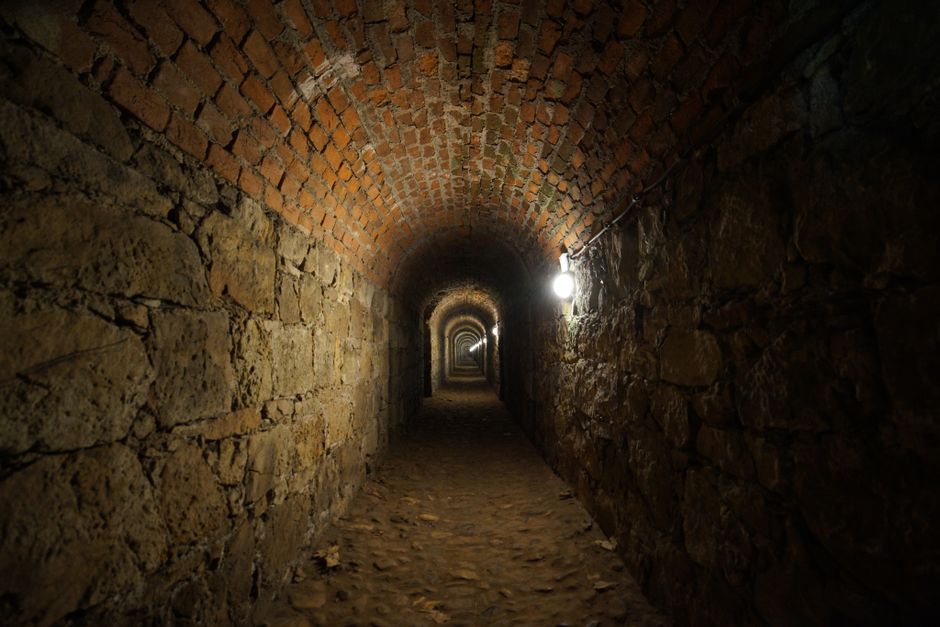
Hachioji, out toward the western edge of Tokyo where the hills start, has an unusual density of haunted-spot reputations for one city — old castle ruins, historic sites, and a set of numbered tunnels, at least three or four of them, each with a separate local following. Hachioji Tunnel No. 1 is the one people most often mean when they just say “the Hachioji tunnel,” in part because of what sits near it: a cemetery, close enough that the tunnel’s reputation and the graveyard’s are hard to fully separate.
The Legend
The tunnel is said to date to the 1940s, built as part of the Keio Line’s extension toward Hachioji. The most common version describes a train stalled inside the tunnel for reasons no one quite agrees on, and a young female passenger coming to serious harm while it sat there in the dark. Locals say her presence never left — riders and trackside workers have reported a girl’s scream echoing faintly from the tunnel mouth, and some claim to have seen a figure standing on the tracks, gone the instant a train’s headlights reach her. Other tellings skip the murder entirely and stick to something quieter: unexplained light flickering deep inside, or a “ghost train” a handful of witnesses swear they’ve watched pass through — one that never appears on any schedule and is never seen coming out the other side.
What’s Actually Verifiable
We found no documented incident or news archive matching the 1940s crime often attached to this tunnel. What is real and physically checkable is smaller: small shrines and offerings have reportedly been left near the tunnel entrance by visitors over the years, a genuine trace of how seriously some people take the story regardless of whether the underlying account holds up. The cemetery proximity is also real and probably does more explanatory work than any single legend — Hachioji Tunnel No. 1, No. 2, and No. 3 all carry separate ghost reputations, and the common thread across all three isn’t a shared incident, it’s shared geography: aging rail infrastructure sitting close to burial ground in an area with a long history of both.
One Tunnel Among Several
It’s worth being clear that this isn’t the only haunted tunnel in Hachioji — locals and paranormal enthusiasts commonly reference Tunnels No. 1 through at least No. 3, each near different landmarks, each with its own separate story. That density is unusual even by the standards of Japan’s tunnel folklore, and it means visitors researching “the Hachioji ghost tunnel” online may find themselves reading about a different tunnel than the one they intended, since the numbering isn’t always used consistently across sources.
Can You Visit?
The tunnel remains an active part of the Keio Line’s Hachioji-area route, which rules out casual exploration — it’s a functioning rail tunnel, and trespassing on active tracks is both dangerous and illegal regardless of interest in the legend. Visitors curious about the story are better served treating it as something to read about than a site to investigate on foot.
Frequently Asked Questions
Did a murder really happen in Hachioji Tunnel No. 1?
We found no documented incident or news archive matching the story — it circulates as local rumor tied to the Keio Line’s 1940s extension.
Are the other numbered Hachioji tunnels also haunted spots?
Yes — Tunnels No. 2 and No. 3 carry separate local reputations and separate stories, which sometimes causes confusion about which tunnel a given account describes.
Ghost-Hunting Gear & Further Reading
As an Amazon Associate, this site earns from qualifying purchases.

Comments