This article contains affiliate links. If you buy through them, we may earn a commission at no extra cost to you.
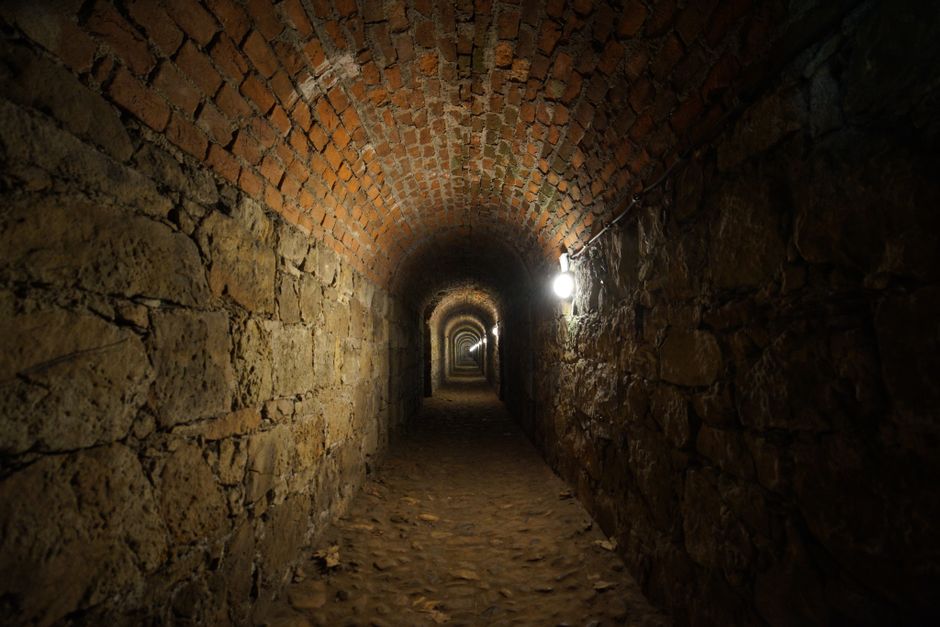
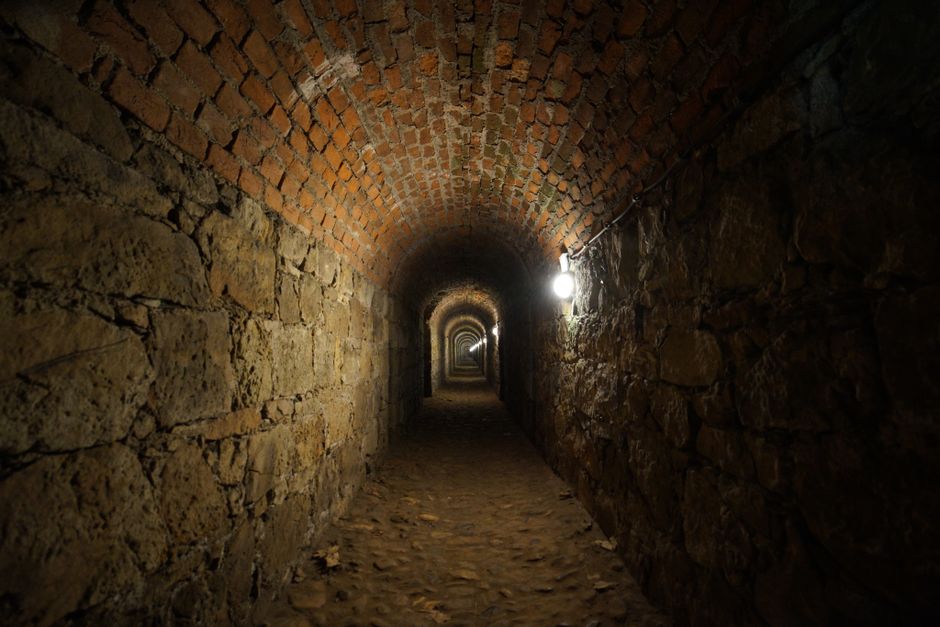
Kanagawa Prefecture’s Tonegawa Tunnel carries a construction-disaster legend distinguished by an unusually specific detail among Japanese haunted-tunnel folklore: a named spirit that appears not as a person, but as a bird.
Hooded Figures and a Crow Named Urasutokin
According to the story, the tunnel’s construction involved a “winding process” during which careless workers caused a massive cave-in, killing a number of the men working inside. Local legend holds that the dead workers’ spirits never left, manifesting most commonly as hooded figures in white robes who walk the tunnel and are said to scream at anyone passing by. Some visitors report hearing whispers, described as the trapped workers still trying to tell their story.
A separate figure, known as Urasutokin, is described as the spirit of the specific worker responsible for the cave-in — appearing, according to legend, in the form of a black crow that will attack anyone who dares enter the tunnel. That’s a guilt-specific spirit taking animal form rather than remaining human, which sets this legend apart from most collective-tragedy hauntings, typically describing undifferentiated groups of restless dead rather than singling out one figure for a distinct, separate punishment.
We could not verify the construction accident or identify any historical record of the workers involved. Tunnel construction accidents were a real and documented hazard throughout Japan’s infrastructure-building eras, which makes the general premise plausible even without confirmation of this specific incident.
Why a Crow, and Why Two Different Punishments
Corvids appear across Japanese folklore more broadly as messengers or omens, often tied to death and transition between worlds. Urasutokin’s crow form fits that broader cultural association more than it represents something unique to this tunnel specifically, suggesting whoever shaped this detail was drawing on existing, widely recognized folk symbolism rather than inventing an isolated new image from nothing.
The distinction between the collective hooded figures and the individually-named Urasutokin effectively splits this legend into two tiers of consequence: the general workforce remembered as an undifferentiated group of restless dead, and one specific individual singled out for a harsher, more personal fate tied to blame. That kind of moral sorting — treating collective tragedy and individual responsibility as separate categories within the same haunting — is a more structured approach to guilt than most tunnel legends bother with, giving the story two distinct kinds of dread rather than one.
Can You Visit?
Tonegawa Tunnel remains part of the local road network in Kanagawa Prefecture, though local sentiment reportedly favors avoiding it, especially after dark. Visitors curious about the legend should weigh the tunnel’s genuine construction-era history with appropriate respect, alongside ordinary caution around any older infrastructure.
Did a cave-in really kill workers at Tonegawa Tunnel?
We could not verify the construction-era cave-in or worker deaths against a documented source.
What makes the Urasutokin figure unusual?
It’s described as a specific worker’s guilt manifesting as a black crow rather than a human ghost — a guilt-specific animal spirit distinct from the undifferentiated groups of restless dead common in most collective-tragedy hauntings.
Ghost-Hunting Gear & Further Reading
- Books on Japanese construction disasters and haunted infrastructure
- Kanagawa Prefecture travel and history guides
As an Amazon Associate, this site earns from qualifying purchases.
Comments