This article contains affiliate links. If you buy through them, we may earn a commission at no extra cost to you.
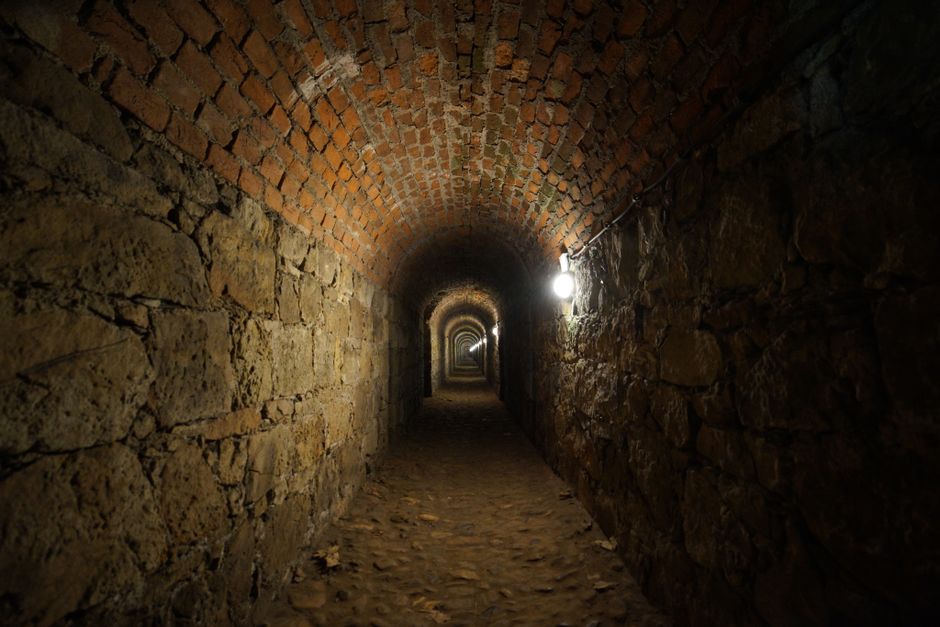
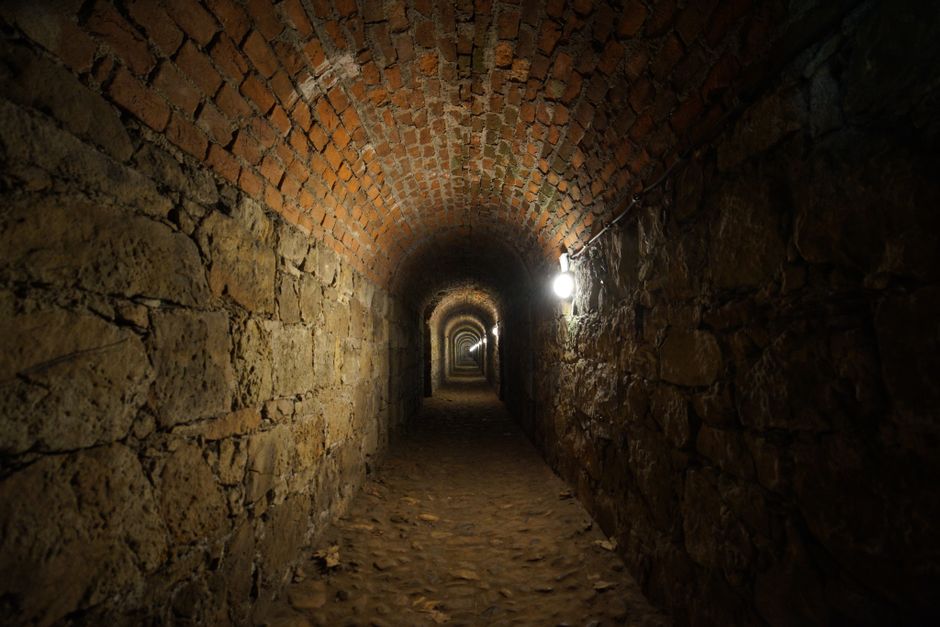
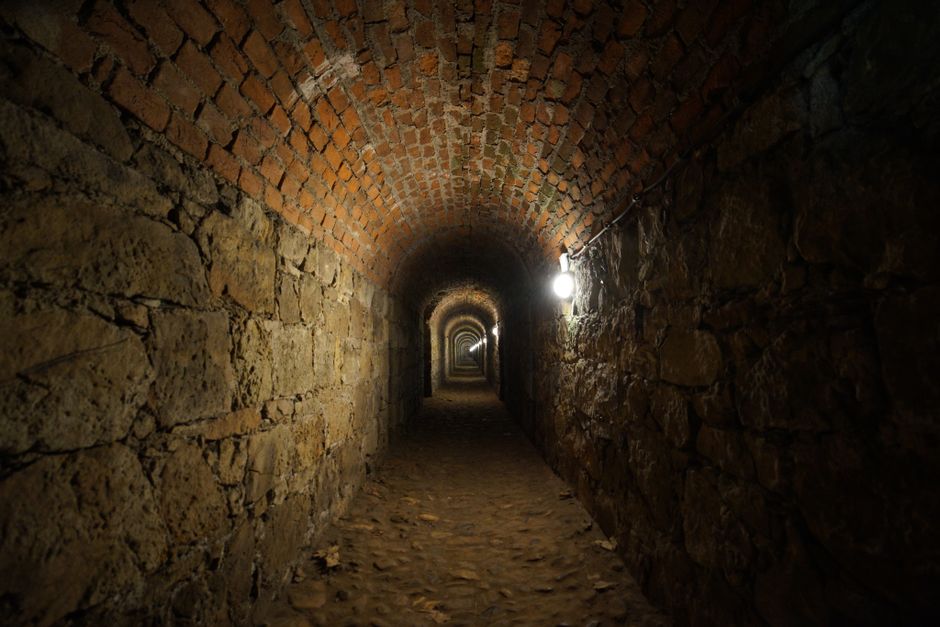
Built in the late 1950s for agricultural use, the Former Shininuma Tunnel in Matsushima, Miyagi Prefecture — locally known simply as the “Ghost Tunnel” (幽霊トンネル) — has been closed to public access for years, which hasn't stopped its reputation from circulating well beyond anyone who could still walk through it.
Two Women, Two Stories, Never Merged
The best-known account centers on a young woman who died crossing the bridge above the tunnel, said to still walk the bridge and the surrounding road at night searching for a partner she lost. A second, unrelated story describes an older woman who died inside the tunnel itself while trying to make her way home, her presence blamed for creaking noises and cold spots reported by people who passed through before it closed. Local retellings have never merged the two into a single figure — unusual for a site this small, where multi-victim legends elsewhere tend to consolidate into one accepted version over time.
Beyond the two named figures, visitors have described strange lights, shifting shadows, and disembodied voices in the tunnel's darkness — the kind of loosely connected detail that accumulates around any site left to decay for decades.
What Actually Checks Out
Neither death — the young woman on the bridge nor the older woman inside the tunnel — turns up in any documented incident we could locate. What is confirmed, and arguably more interesting, is more mundane: the tunnel was closed because it became genuinely too dangerous to pass through, a structural safety call unrelated to the hauntings. Its nickname as the “Ghost Tunnel” and reports of drivers losing control on the curve at its exit are the parts of the reputation with the most independent corroboration, separate from either named ghost story.
A Legend That Outlived Its Own Access
Most haunted tunnels covered on this site remain at least nominally reachable. Shininuma is unusual for having its stories keep circulating locally even after the site itself was sealed off — evidence that a legend doesn't need an open, visitable location to survive. The closure likely also froze the story in place: without ongoing foot traffic and retelling, there was no mechanism left to smooth the bridge death and the tunnel death into one contradiction-free version, so the two have simply stayed separate.
Can You Visit?
The Former Shininuma Tunnel is closed to public access, and that closure should be respected regardless of curiosity about the legend. The bridge and surrounding road remain visible from a distance for anyone interested in the site's history without trespassing on a closed structure.
Frequently Asked Questions
Can you still visit the Former Shininuma Tunnel?
No — it has been closed to the public, though that hasn’t stopped the ghost stories, or the “Ghost Tunnel” nickname, from persisting locally.
Are the two deaths tied to this tunnel documented anywhere?
No — neither the bridge death nor the tunnel death could be verified against any documented incident. What is corroborated is the tunnel’s structural closure and its exit-curve accident reputation.
Why do the bridge ghost and the tunnel ghost stay separate in local retellings?
They describe two different women dying in two different ways, and the tunnel’s closure appears to have cut off the kind of ongoing local retelling that normally merges contradictory details into one version over time.
Why are so many old tunnels in Japan considered haunted?
Roughly three-quarters of Japan’s land area is mountainous, which has required over a century of tunnel construction — older bores are typically sealed rather than demolished once a wider replacement opens nearby, and Japan’s long kaidan storytelling tradition readily attaches spirits to those abandoned, unlit spaces.
Ghost-Hunting Gear & Further Reading
As an Amazon Associate, this site earns from qualifying purchases.
Comments