This article contains affiliate links. If you buy through them, we may earn a commission at no extra cost to you.
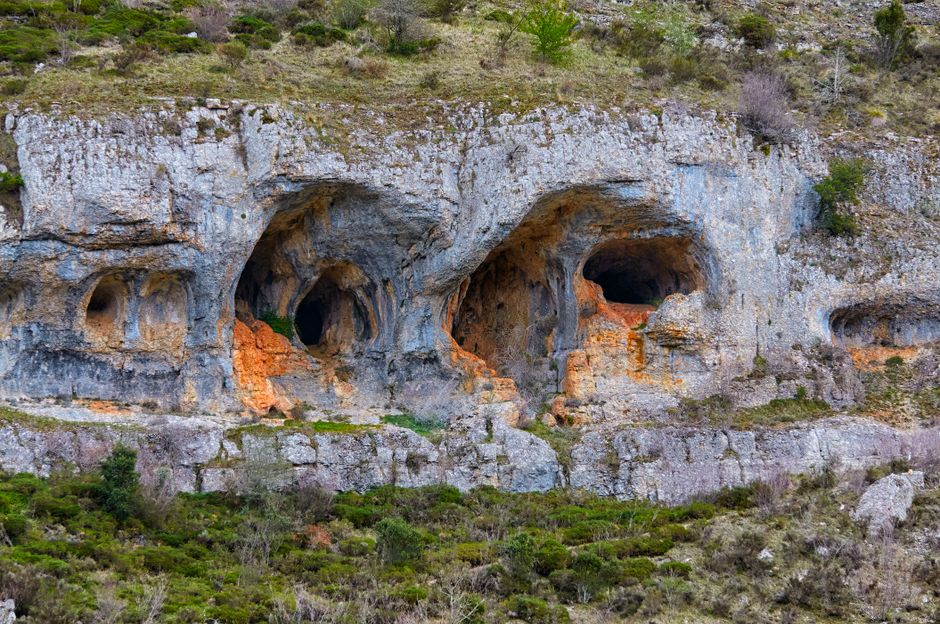
In the hills of Fukushima Prefecture, a cave opening carries a name that translates roughly to “the entrance of curses” — and, according to local legend, the name was earned rather than invented for effect.
Monks, a Creature, and a Name That Stuck
The story dates the entrance's discovery to the 1600s, when a group of traveling monks reportedly stumbled onto it while trekking through the region. According to the legend, the monks judged the area cursed almost immediately and abandoned any further exploration — a decision that gave the site its lasting name, “Ejiri,” among locals from that point forward.
Later stories describe a farmer named Goro encountering a large, unsettling creature near the entrance: eyeless, gray-complexioned, and apparently old. Goro reportedly fled without further incident, but his account seeded a broader reputation for the cave — visitors since have described a physical sense of dread, sudden illness, and an echoing voice from somewhere inside. The most elaborate version of the legend holds that anyone brave enough to go far enough in will find a massive set of doors leading to a secret temple, accessible only to those with specific, unnamed ancient knowledge.
A Legend Built to Resist Being Checked
We could not verify the monks' 17th-century discovery, Goro's encounter, or the existence of any secret temple beyond the local legend itself. What is worth noting honestly is how the story's structure — an unverifiable creature encounter, an unmapped secret temple, exactly one survivor who “made it out alive” but never described what he saw — follows a pattern common to legends built to resist any possible verification. Every specific claim leads to a dead end that conveniently can't be checked, which is a structural feature worth naming plainly rather than treating each escalation as independently significant. Precisely because no detail can be confirmed or denied, the legend has had unusual room to grow across generations without contradiction.
A Name That Does the Legend's Work
Few haunted sites on this list carry a name as directly explanatory as “the entrance of curses.” Most legends need a full retelling to convey their reputation; this one communicates its central warning in the name alone, which likely helped the story spread efficiently through word of mouth — locals wouldn't need to repeat the full monk-and-creature narrative every time, just the name, for the caution to carry through.
Can You Visit?
The Ejiri Cave Entrance remains a real geographic feature in the Fukushima hills, though local sentiment reportedly favors giving it a wide berth rather than exploring it directly. Visitors should weigh the genuine, well-documented risks of unmapped cave systems — disorientation, unstable footing, poor air circulation — above any interest in the legend's secret temple.
Frequently Asked Questions
Is the “cursed entrance” name historically documented?
We could not verify the 17th-century monks’ discovery or Goro’s creature encounter against any documented record — both survive only as local legend.
Is the hidden temple behind the doors real?
No evidence supports this — it’s the most elaborate and least corroborated part of the legend.
Why does this legend keep circulating without being debunked?
Because none of its details — the monks, the creature, the temple — leave anything a skeptic could point to and disprove. That unfalsifiable structure lets the story persist locally without ever being definitively confirmed or closed off.
Ghost-Hunting Gear & Further Reading
As an Amazon Associate, this site earns from qualifying purchases.
Comments