This article contains affiliate links. If you buy through them, we may earn a commission at no extra cost to you.
Correction: This article previously placed Ushikubi Tunnel on the outskirts of Kanazawa, described it as roughly 900 meters long and built in the early 1950s, and centered its legend on a named 1952 witness encountering an ox-headed man. None of that holds up. The tunnel’s actual name is Miyajima Tunnel, it’s a single-lane passage of only about 55 meters straddling the Ishikawa-Toyama border, and it was completed in 1928 — decades earlier than we’d said. We’re correcting the record here.
A Village Name, Not a Monster
“Ushikubi” — literally “ox neck” or “ox head” — isn’t a description of a creature seen in the tunnel. It’s the name of a village, Ushikubi-mura, that once stood nearby on the Ishikawa side of the border in what’s now Tsubata, Kahoku District. That village name is itself said to trace back to Gozu Tennou, the “Ox-Head deity” of Japanese Buddhist-Shinto syncretic tradition. The tunnel’s official name, Miyajima Tunnel, is the one that appears on maps and records; “Ushikubi Tunnel” is the local, legend-adjacent name that stuck because of the old village next to it — not because anyone reported an ox-headed figure there.
What’s Actually Told Locally
The stories attached to this tunnel are grimmer and less specific than an ox-headed encounter: a lingering grudge attributed to someone who reportedly burned to death, handprints said to appear pressed into a car’s windshield from inside the tunnel, an old woman’s ghost said to climb uninvited into a passing car, and a roadside jizo statue said to weep tears of blood. None of these come with a named witness or a dated incident — they’re the kind of loosely attached rumors that accumulate around a site once it gets a reputation. We could not verify any of them, and we also found no trace of the 1952 or 1979 ox-headed encounters described in the earlier version of this article, including the named witness Tsunetaro Kume.
How a 55-Meter Tunnel Became Ishikawa’s Most-Cited Haunted Spot
Multiple sources note that no documented incident — fire, death, or otherwise — has ever been tied to this specific tunnel, and that its reputation owes more to repeated appearances on Japanese television ghost-story programs than to any single originating event. That’s an unusually direct admission for a haunted-tunnel legend: the site’s fame as “Ishikawa’s most haunted spot” appears to be a media-amplified reputation layered onto a village name that already sounded ominous in translation, rather than a haunting that grew organically from a real tragedy.
Can You Visit?
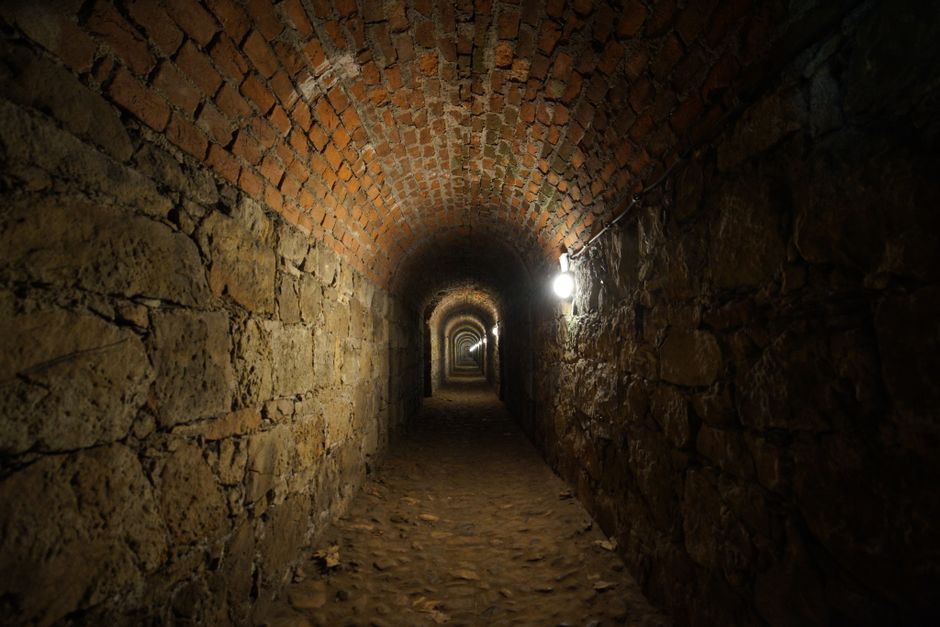
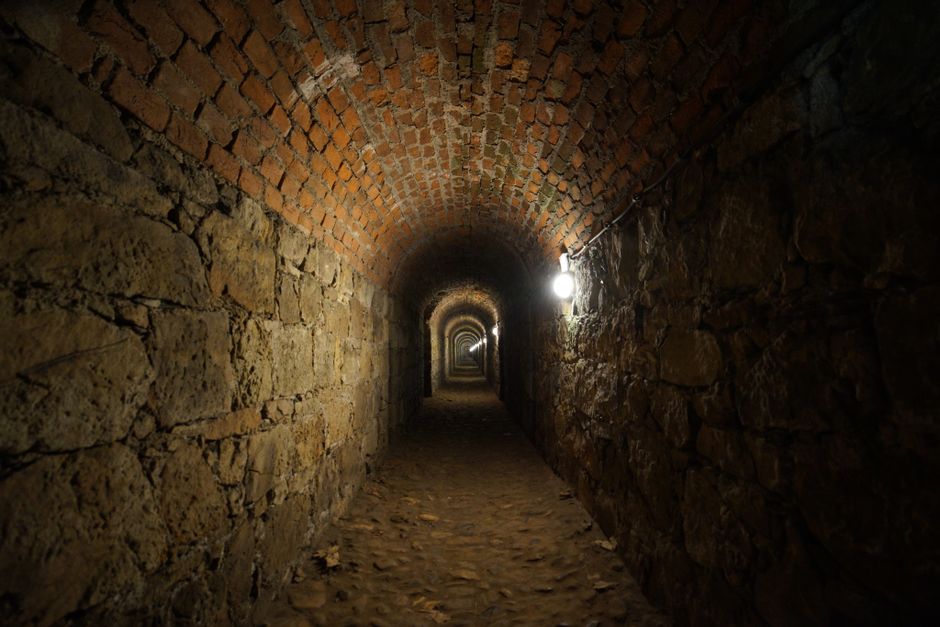
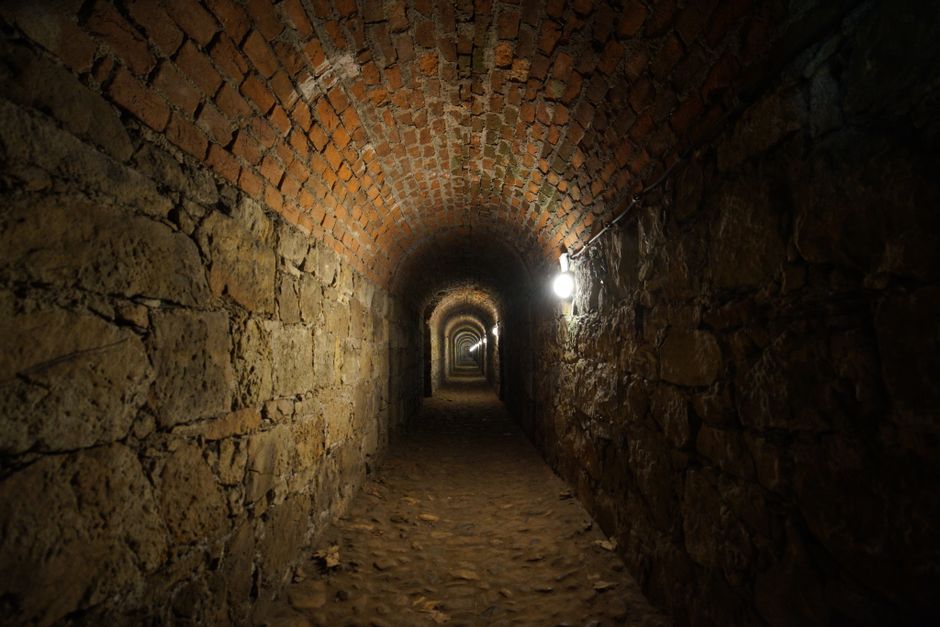
Miyajima Tunnel remains a functioning, if narrow, single-lane road crossing the prefectural border — only one car can pass through at a time. Visitors should treat it with the caution due any old, narrow mountain tunnel with blind entrances, independent of whatever ghost story draws them there.
Frequently Asked Questions
Is there really an ox-headed ghost at Ushikubi Tunnel?
We found no source supporting that account. The tunnel’s actual name is Miyajima Tunnel; “Ushikubi” comes from a nearby former village name, not a creature sighting.
How long is the tunnel, really?
About 55 meters total — far shorter than the roughly 900 meters this article previously claimed.
Ghost-Hunting Gear & Further Reading
- Books on Japanese folklore and hybrid creature legends
- Ishikawa Prefecture and Kanazawa travel guides
As an Amazon Associate, this site earns from qualifying purchases.
Comments