This article contains affiliate links. If you buy through them, we may earn a commission at no extra cost to you.
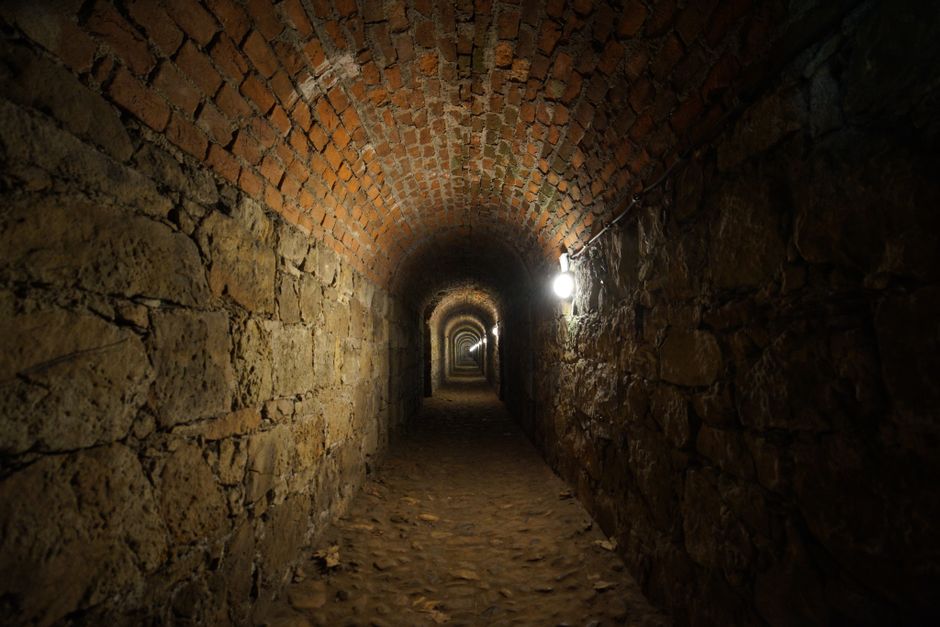
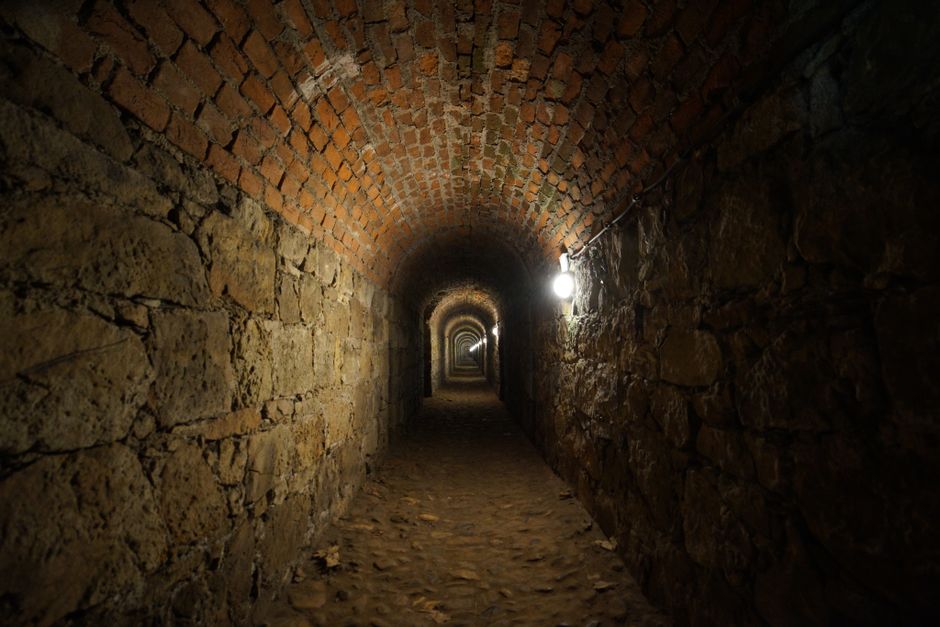
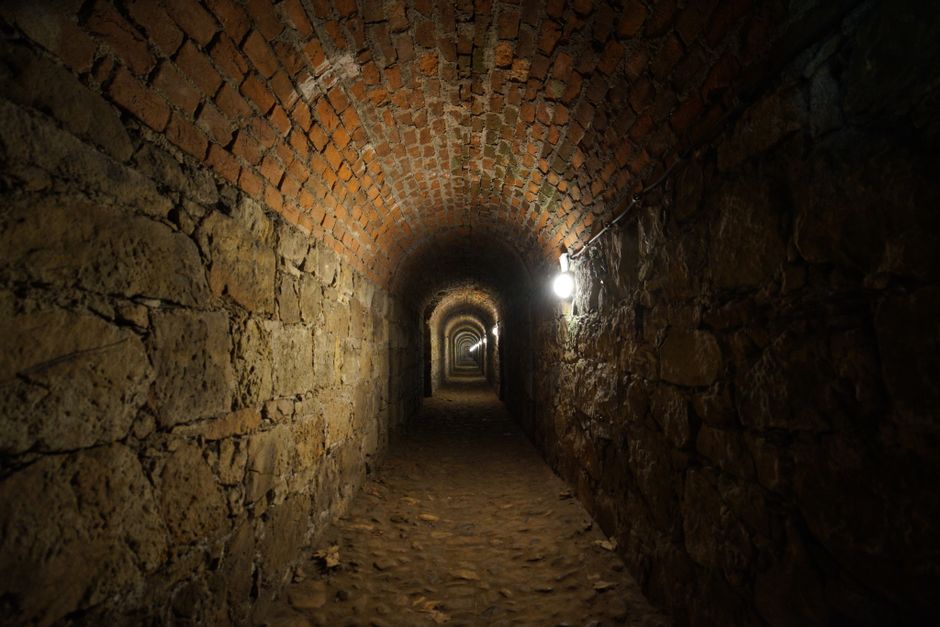
1944. That’s the year Ajigawa Tunnel opened beneath the Aji River, connecting Nishikujo and Kujo in Osaka — and it holds a genuine engineering distinction: it was Japan’s first tunnel built using the submerged-tube method, sections pre-cast and sunk into a trench dredged along the riverbed rather than bored through rock. Pedestrians and cyclists still use it today, riding elevators down to the tunnel level and back up on the other side. The elevators are also where the ghost story lives.
The Legend
Local retellings describe a girl who died at the tunnel — accounts vary between an elevator accident and a killing, with her face described in some versions as disfigured, burned, or otherwise marked in a way that makes her recognizable in sightings. She’s reported near the elevators and on the stairwell landings: a figure in white, head down, standing in a corner rather than moving toward anyone. Visitors describe an unusual number of photographs from this location turning up with unexplained marks or figures — a claim common enough at Japanese haunted sites generally, but repeated with particular frequency about Ajigawa specifically. Separate from the girl, some visitors report footsteps following them through the tunnel with no one visible behind them, along with sudden cold or breathing difficulty that passes once they’re back at street level.
What’s Actually Verifiable
We could not confirm a specific named victim, date, or documented case behind the girl-in-white story — it exists as local legend rather than a matter of public record we could locate. What is documented is the tunnel’s real history: as wartime infrastructure completed in the final year of the Pacific War, connecting two working-class districts across a working river, it has carried three-quarters of a century of foot and bicycle traffic through an underground, artificially lit passage that most users experience for less than five minutes at a time. That combination — old, enclosed, poorly trafficked at certain hours, genuinely unusual in its engineering — is a common enough profile for ghost stories to attach to without requiring any single triggering incident.
A Legend That Outgrew Its Location
Ajigawa Tunnel is frequently cited on lists of Osaka’s most talked-about haunted spots, which is a different kind of staying power than most tunnel legends this site covers. Rather than being known mainly to people who live nearby, it shows up in general “haunted Osaka” roundups aimed at a citywide or even national audience — likely because the tunnel itself, elevators and all, is unusual enough as a physical space that it draws visitors independent of the ghost story, and then the ghost story gets attached to the visit afterward.
Can You Visit?
Ajigawa Tunnel remains open as a functioning pedestrian and cyclist river crossing, used daily by commuters rather than treated as an abandoned site. Anyone visiting after dark should expect a normal working tunnel with a normal amount of foot traffic rather than an isolated location — the elevators run on a schedule, and lingering near them for the sake of the story isn’t something the space is built to accommodate.
Frequently Asked Questions
Was Ajigawa Tunnel really the first of its kind in Japan?
Yes — its 1944 completion using the submerged-tube method is documented civil engineering history, independent of the ghost story attached to it later.
Is the girl-in-white story based on a real death?
We found no documented case, named victim, or date behind it — it circulates as local legend centered on the tunnel’s elevators and stairwells.
Ghost-Hunting Gear & Further Reading
As an Amazon Associate, this site earns from qualifying purchases.
Comments