This article contains affiliate links. If you buy through them, we may earn a commission at no extra cost to you.
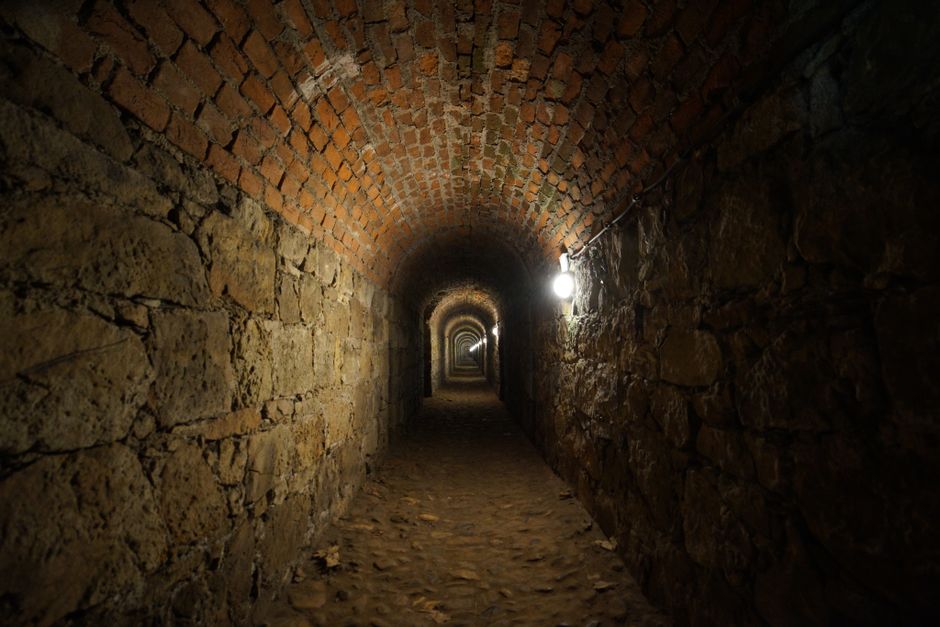
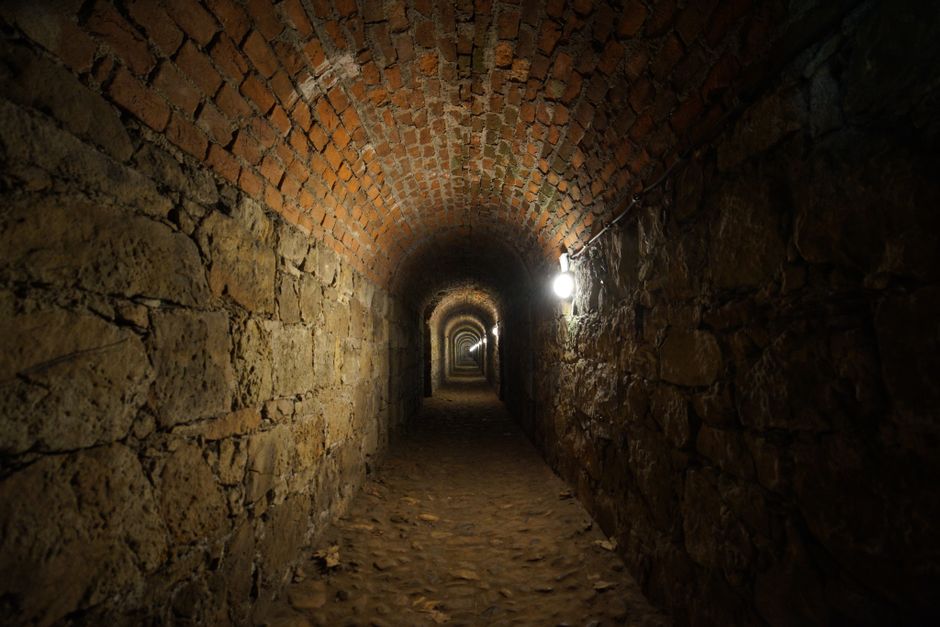
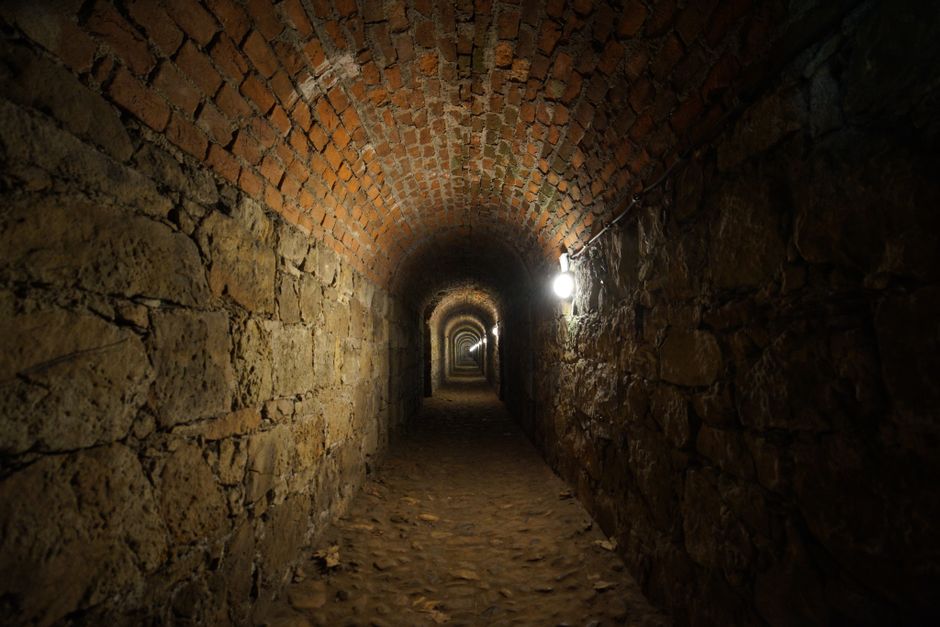
There’s a traffic light inside Aiyoshi Tunnel, on National Route 143 between Matsumoto and Suwa in Nagano Prefecture. Not at the entrance — inside it, because the tunnel is too narrow for two cars to pass each other, and someone decided decades ago that the safest fix was to make drivers wait their turn like it’s a single-lane bridge. Most visitors mention the light before they mention the ghost.
An Older Tunnel Than the Story Suggests
Local sources place the tunnel’s construction closer to the late 19th century than the 1930s, cut through the mountains as part of the same wave of road-building that connected isolated Nagano villages to the wider prefecture. That timeline matters, because it means the tunnel sat there for the better part of a century — carrying farm traffic, mail carts, then cars — before anyone attached a ghost story to it.
The story itself centers on a discovery: local retellings describe the dismembered remains of a parent and child being found in or near the tunnel at some point in the past, though no version we could locate names a year, a family, or a source document. From that discovery, the legend grew outward — travelers reporting a whispering sound inside the tunnel, a pair of glowing eyes at the entrance, and in some tellings a young girl with long black hair glimpsed in the dark. Drivers today more commonly report something smaller and stranger: car navigation systems glitching or losing signal the moment they enter the tunnel, a detail that shows up often enough in visitor accounts to have become part of the story in its own right.
What We Could and Couldn’t Confirm
We found no police record, news archive, or named source for a parent-child death at this location — the discovery story exists only inside the oral legend, repeated across enough ghost-hunting sites that it now reads as established fact even though nothing underneath it is. The GPS malfunction claims are more interesting precisely because they’re mundane: mountain tunnels routinely disrupt satellite signal and cell reception, and a narrow, curving passage cut through solid rock is about as hostile an environment for GPS as exists on a public road. A driver losing navigation here needs no ghost to explain it, though that hasn’t stopped the detail from being folded into the legend anyway.
Why the Timeline Doesn’t Quite Add Up
If the tunnel has stood since the late 1800s, then whatever event supposedly seeded the haunting arrived only after decades — maybe generations — of ordinary use. That’s a common shape for these stories: an old, unremarkable piece of infrastructure gets a tragedy attached to it well after the fact, usually because something about the place already felt unsettling and needed an explanation. The single-lane traffic light may do more work here than any ghost. Waiting alone at night for a green light, inside a mountain, with nothing to look at but rock walls, is the kind of ordinary discomfort that makes a place feel haunted even before anyone tells you a story about it.
Visiting Aiyoshi Tunnel
The tunnel remains a functioning stretch of Route 143 connecting Matsumoto-area and Suwa-area communities, roughly 35 minutes from Matsumoto by car. Winters here are severe, and the single-lane signal means drivers should approach with the same patience they’d apply to any narrow mountain crossing — ghost story or not. Because the road carries real traffic, it isn’t a site for lingering or exploring on foot.
Frequently Asked Questions
Is the parent-child discovery story documented anywhere?
No record we could find names a year, a family, or a source — it circulates only within the local legend itself.
Why do GPS systems reportedly fail inside the tunnel?
Narrow, curving mountain tunnels routinely block satellite and cell signal on their own; no supernatural cause is needed to explain the reports.
Ghost-Hunting Gear & Further Reading
As an Amazon Associate, this site earns from qualifying purchases.
Comments