
This article contains affiliate links. If you buy through them, we may earn a commission at no extra cost to you.
Everyone knows the Winchester Mystery House and Amityville. Less famous, and often better documented, are places like an Iowa farmhouse where eight people were murdered in their sleep, a St. Louis brewing family's mansion where three family members took their own lives, and a Kansas house named after a ghost girl no researcher has ever found in the records. Here are 15 lesser-known haunted places in America, each with a real, checkable history behind the legend.
- Villisca Axe Murder House — Villisca, Iowa
- The Myrtles Plantation — St. Francisville, Louisiana
- The LaLaurie Mansion — New Orleans, Louisiana
- Waverly Hills Sanatorium — Louisville, Kentucky
- Trans-Allegheny Lunatic Asylum — Weston, West Virginia
- Bannack Ghost Town — Bannack, Montana
- The Stanley Hotel — Estes Park, Colorado
- Lemp Mansion — St. Louis, Missouri
- The Sallie House — Atchison, Kansas
- The Marshall House — Savannah, Georgia
- St. Albans Sanatorium — Radford, Virginia
- Crescent Hotel — Eureka Springs, Arkansas
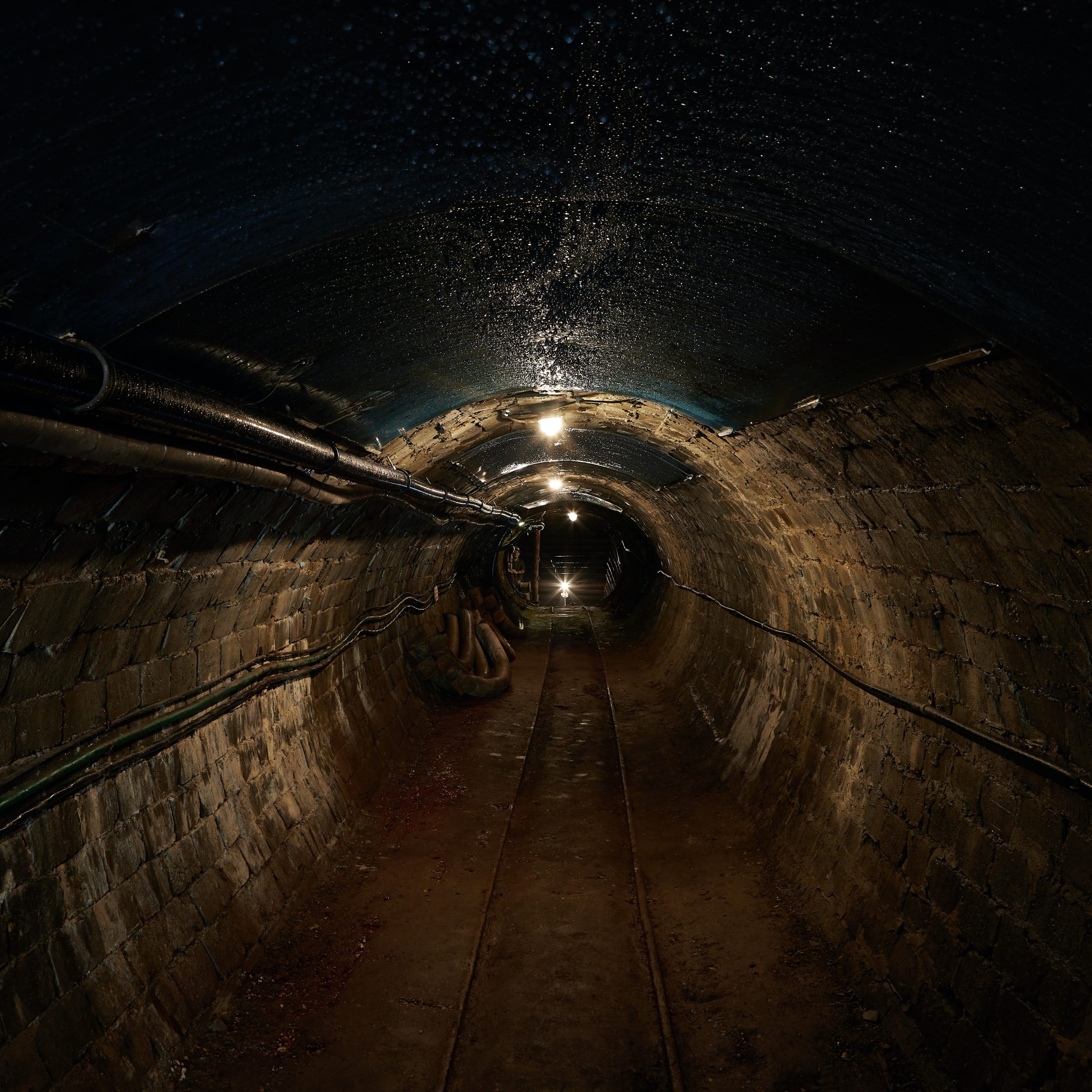
- The Shanghai Tunnels — Portland, Oregon
- Merchant's House Museum — New York, New York
- Wyoming Frontier Prison — Rawlins, Wyoming
- Sources
Villisca Axe Murder House — Villisca, Iowa
In the early hours of June 10, 1912, Josiah and Sarah Moore, their four children, and two young overnight guests, Lena and Ina Stillinger, were killed with an axe in the family's small frame house. A traveling preacher, the Rev. George Kelly, was tried twice; the first jury deadlocked and the second acquitted him. The case remains officially unsolved. Visitors report children's voices and footsteps, though none of it is independently verifiable.
Can you visit? Yes. The house has been restored to its 1912 appearance and offers daytime tours and paid overnight stays.
The Myrtles Plantation — St. Francisville, Louisiana
Built around 1796 by Gen. David Bradford, the Myrtles is promoted as one of America's most haunted homes, with stories of a dozen or more ghosts, most famously an enslaved woman called Chloe. Historians who have searched the property records found no evidence that Chloe existed or that the poisoning story happened. The documented history is grim enough: in January 1871 owner William Winter was shot on the gallery of the house and died on the stairs, a killing recorded in local accounts.
Can you visit? Yes. It operates as a bed-and-breakfast with daytime history tours and evening mystery tours.
The LaLaurie Mansion — New Orleans, Louisiana
On April 10, 1834, a fire at Delphine LaLaurie's house on Royal Street led responders to enslaved people who had been chained and tortured, a discovery reported in New Orleans newspapers at the time. A crowd sacked the house, and LaLaurie fled the city, reportedly to France, without facing prosecution. Legends of screams and apparitions grew around the building in the following decades.
Can you visit? Exterior only; the house is privately owned. French Quarter walking tours pass it regularly.
Waverly Hills Sanatorium — Louisville, Kentucky
Waverly Hills opened as a small tuberculosis hospital in 1910; the large Gothic-style building that stands today opened in 1926. Before antibiotics, many patients died there. Popular claims of tens of thousands of deaths are not supported by records, and historians generally put the toll in the thousands at most over the hospital's life. It closed as a TB hospital in 1961 and later became one of the most investigated paranormal sites in the country.
Can you visit? Yes. Historical tours and overnight paranormal events run on a schedule.
Trans-Allegheny Lunatic Asylum — Weston, West Virginia
Construction of this Kirkbride-plan hospital began in 1858 and took more than two decades, with the stone main building finished in 1881. Designed for about 250 patients, it held more than 2,000 by the 1950s, and reports on poor conditions and overcrowding followed. It closed in 1994. Guides and visitors describe voices and figures in the wards, claims that remain unverified.
Can you visit? Yes. History, architecture, and paranormal tours are offered.
Bannack Ghost Town — Bannack, Montana
Bannack grew up after a gold strike on Grasshopper Creek in 1862 and in 1864 became the first capital of Montana Territory. That same year a vigilance committee hanged Sheriff Henry Plummer, accused of leading a gang of road agents, a documented episode of frontier justice. The town later emptied and is now a state park with more than 50 original buildings. The best-known ghost story centers on Dorothy Dunn, a teenager who drowned in a nearby pond in 1916 and is said to appear in the Hotel Meade.
Can you visit? Yes. Bannack State Park is open year-round for self-guided tours.
The Stanley Hotel — Estes Park, Colorado
Freelan O. Stanley, co-inventor of the Stanley Steamer car, opened the hotel in 1909. Stephen King and his wife stayed in Room 217 in 1974, and the visit inspired The Shining. In 1911 a gas explosion in that room injured chambermaid Elizabeth Wilson, who survived. Ghost stories include Flora Stanley playing the ballroom piano and Wilson herself still tidying Room 217.
Can you visit? Yes. It is a working hotel with dedicated ghost tours.
Lemp Mansion — St. Louis, Missouri
Built in 1868 and bought by brewer William J. Lemp in the 1870s, the house was home to one of St. Louis's great beer dynasties. William Sr. shot himself there in 1904, his son William Jr. in 1922, and another son, Charles, in 1949; daughter Elsa died by suicide in 1920 at her own home. The mansion is often said to have been listed by Life magazine among the most haunted houses in America, though the original article is hard to trace.
Can you visit? Yes. It operates as a restaurant and inn with overnight stays and ghost tours.
The Sallie House — Atchison, Kansas
This modest house, built between 1867 and 1871, became a fixture of paranormal TV after tenants in the early 1990s reported scratches and other physical attacks. The “Sallie” origin story, about a little girl who died on a doctor's operating table in the house, has no supporting documentation; researchers have found no record of such a child. The tenants' reports are personal testimony, and their cause remains unexplained.
Can you visit? Yes. Tours and paid overnight investigations are offered; check current booking details in advance, as arrangements have changed over the years.
The Marshall House — Savannah, Georgia
Opened by Mary Marshall in 1851, the hotel served as a Union hospital after Gen. Sherman took Savannah in December 1864 and was also used during yellow fever epidemics. During renovations in the late 1990s, workers found human bones, including what appeared to be amputated limbs, beneath the floorboards, consistent with wartime surgery. Guests report children running in the halls and a figure in a Union uniform.
Can you visit? Yes. It is a working hotel in Savannah's historic district.
St. Albans Sanatorium — Radford, Virginia
St. Albans opened in 1892 as the St. Albans Lutheran Boys School, which closed in 1911. In 1916 Dr. John C. King reopened it as a private psychiatric hospital, which used treatments of the time, such as hydrotherapy, insulin shock, and electroconvulsive therapy, that are now considered harsh. It later became part of the Radford hospital system and closed in 2004. Stories of student deaths during the school years circulate locally but are poorly documented.
Can you visit? Yes. Scheduled historical and paranormal tours are offered.
Crescent Hotel — Eureka Springs, Arkansas
The Crescent opened in 1886 as a luxury resort and later housed a women's college. In 1937 Norman Baker, a former radio personality with no medical training, bought it and ran a cancer “cure” hospital that sold worthless treatments. He was convicted of mail fraud in 1940. Staff and guests describe apparitions in the old hospital areas and a morgue room in the basement.
Can you visit? Yes. It is a historic hotel with nightly ghost tours.
The Shanghai Tunnels — Portland, Oregon
These are real basement passages in Old Town Portland, used to move goods between buildings and the Willamette River waterfront. Historians have found no solid evidence for the popular claim that they were used to kidnap men into forced service on ships, and the story appears to have grown mostly in the 20th century. “Shanghaiing” did happen in Portland, but through boardinghouses and saloons above ground.
Can you visit? Yes, but only on guided walking tours.
Merchant's House Museum — New York, New York
Built in 1832 and bought by merchant Seabury Tredwell in 1835, the house on East Fourth Street stayed with the Tredwell family for nearly a century. His youngest daughter, Gertrude, was born there in 1840 and died there in 1933 at 93. The house opened as a museum in 1936 with the family's furniture intact, and staff and visitors have reported sightings of a woman they believe is Gertrude.
Can you visit? Yes. It keeps regular hours and runs evening ghost tours in the fall.
Wyoming Frontier Prison — Rawlins, Wyoming
The state penitentiary opened in 1901 without electricity or running water and soon became overcrowded. A gas chamber added in the 1930s was used for executions. The prison closed in 1981 and reopened as a museum, where visitors report voices and slamming doors in the cell blocks.
Can you visit? Yes. It runs regular tours and seasonal nighttime ghost tours.
Frequently Asked Questions
Are any of these hauntings scientifically proven?
No. None of the reported activity, such as voices, apparitions, or moving objects, has been independently verified. What can be checked is the history: real deaths, real institutions, and real crimes.
Why leave out famous sites like the Winchester Mystery House or Amityville?
Those places are covered widely elsewhere. This list focuses on sites with solid history that get less mainstream attention.
Is it safe to visit these locations for a “ghost tour”?
Most operate as museums, hotels, or historic attractions with regular hours. Some, like the Shanghai Tunnels, can only be entered on a guided tour. Check official hours before you go.
Sources
- Villisca Axe Murder House – official site
- Bannack State Park – Montana Fish, Wildlife & Parks
- Trans-Allegheny Lunatic Asylum – official site
- Merchant's House Museum – official site
- Wyoming Frontier Prison Museum – official site
As an Amazon Associate, this site earns from qualifying purchases.