This article contains affiliate links. If you buy through them, we may earn a commission at no extra cost to you.
Perched above the meeting of the Bow and Spray rivers in the Canadian Rockies, the Fairmont Banff Springs Hotel has received travelers since 1888. According to generations of guests and staff, a few of them never checked out.
The Real History
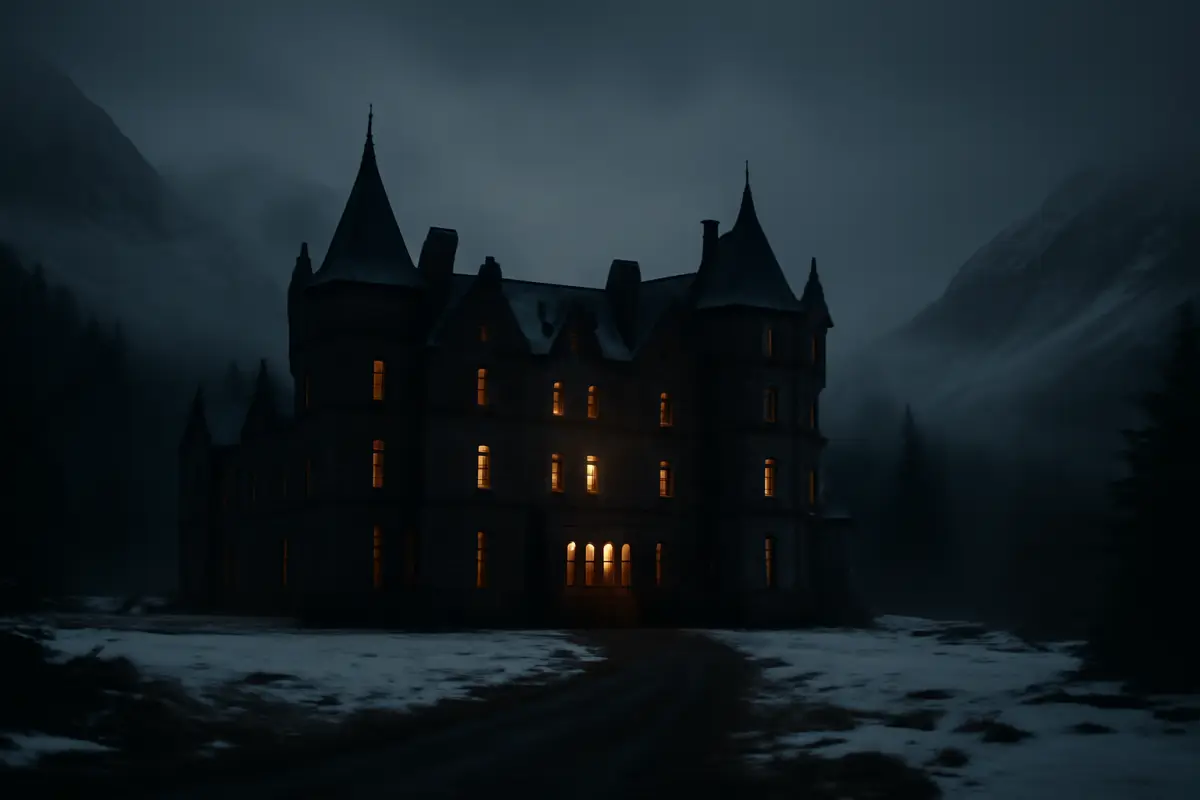
The hotel was the idea of William Cornelius Van Horne, general manager of the Canadian Pacific Railway (CPR). After railway workers came upon hot mineral springs near Banff in 1883, and the area was set aside as Canada's first national park reserve in 1885, Van Horne saw a way to give passengers on the new transcontinental line a reason to stop and stay. American architect Bruce Price designed the first hotel in the Châteauesque style that became the trademark of Canada's grand railway hotels: steep roofs, turrets and a silhouette meant to evoke a French château. That original building was largely of wood, cost about $250,000 and opened to guests in 1888.
Demand quickly outgrew it. CPR architect Walter S. Painter designed a new central tower; construction began in 1911 and the tower was completed in 1914 at a cost of about $2 million. After a fire in April 1926 destroyed much of Price's original wooden building, architect John W. Orrock designed replacement north and south wings in stone, giving the hotel much of the profile it has today. The Banff Springs grew into one of Canada's best-known railway hotels, alongside sister properties such as the Château Frontenac in Quebec City, and today has more than 750 rooms.
Like any large hotel operating for well over a century, the Banff Springs has seen ordinary deaths among guests, staff and workers. The dramatic tragedies attached to its best-known ghost stories, however, a bride burning on the staircase and a family murder-suicide in a room that supposedly no longer exists, do not appear in any documented historical or newspaper record we could find. Hotel representatives have said publicly that no such murder-suicide occurred. These stories are best understood as hotel folklore.
The Haunting
The best-known legend is the Ghost Bride. As it is usually told, a bride at her wedding reception (retellings place it anywhere from 1926 to the 1930s) brushed her gown against candles lining the grand staircase, caught fire, and either burned to death or fell while fleeing the flames. Guests and staff claim to have glimpsed a woman in a white gown drifting down the stairs or dancing alone in the ballroom. The story is so well known that Canada Post featured the Banff Springs bride in its Haunted Canada stamp series in 2014, and the Royal Canadian Mint unveiled a 2014 Haunted Canada 25-cent coin depicting her at the hotel itself; tilt the coin and the bride's eyes open. No hotel or newspaper record confirms that a bride died on the property.
Room 873 carries a darker tale: that a man killed his wife and young daughter there and then himself, and that the room was later sealed because bloodstains and fingerprints kept reappearing on the mirror. Storytellers point to a gap in the eighth-floor numbering between rooms 871 and 875 as “proof.” Hotel representatives deny that the crime happened or that any bricked-up room exists.
A gentler figure is Sam McAuley, a real Scottish bellman who worked at the hotel for many years and is said to have told colleagues he would come back after he died. Accounts put his death in the mid-1970s (sources differ between 1975 and 1976). Since then, guests have described an elderly bellman in an old-fashioned uniform who helps carry bags, unlocks a door or gives directions, then disappears before he can be tipped.
Can You Visit?
Yes. The Fairmont Banff Springs is a working luxury hotel in Banff National Park, Alberta, open for stays, dining and spa visits. The hotel acknowledges its ghostly reputation, and local operators in Banff run seasonal ghost walks that include its stories.
Frequently Asked Questions
Is Room 873 a real room at the Banff Springs Hotel?
Guests note there is no room 873 on the eighth floor, but room numbering has changed over many renovations, and the hotel has stated there is no sealed murder room. The story is treated as legend rather than documented history.
Who was Sam the bellman?
Sam McAuley was a real, well-liked bellman at the hotel who reportedly died in the mid-1970s. The ghost stories about him are affectionate folklore built around a fondly remembered employee.
When was the Banff Springs Hotel built?
The original wooden hotel opened in 1888. The central tower that defines its current profile was completed in 1914, and the stone wings followed after a 1926 fire.
Sources
- Banff Springs Hotel – Wikipedia
- Fairmont Banff Springs – Fairmont Hotels & Resorts
- Royal Canadian Mint Unveils Ghost Bride Coin – CoinWeek
- Room 873: Beware the Ghosts of Banff Springs Hotel – The Line Up
As an Amazon Associate, this site earns from qualifying purchases.