This article contains affiliate links. If you buy through them, we may earn a commission at no extra cost to you.
In the hills between Uwa and Uwajima in western Ehime Prefecture sits a narrow, hand-dug tunnel that Japanese ghost-story blogs and listicles have long called one of the region's classic “shinrei spot” (haunted spot) destinations. Locals and online spot-hunters know it as Tawaratsu Zuido (俵津隧道), sometimes romanized as Tawaratsu Tunnel or Hyozu Tunnel. Unlike many entries on low-quality horror listicles, this tunnel is a real, documented structure — which makes it a good case study in separating verifiable history from the folklore that has grown around it.
Verified History
The Tawaratsu Tunnel was completed on November 24, 1926 (Taisho 15), during the late Taisho era. It runs approximately 363–364 meters long and about 4.5–4.6 meters wide, cutting through the Nofuku Pass (野福峠), the ridge separating what was once Uwa Town from Akehama Town (both now part of Seiyo City) toward Uwajima. It originally served as part of the prefectural Uwa–Akehama Line road.
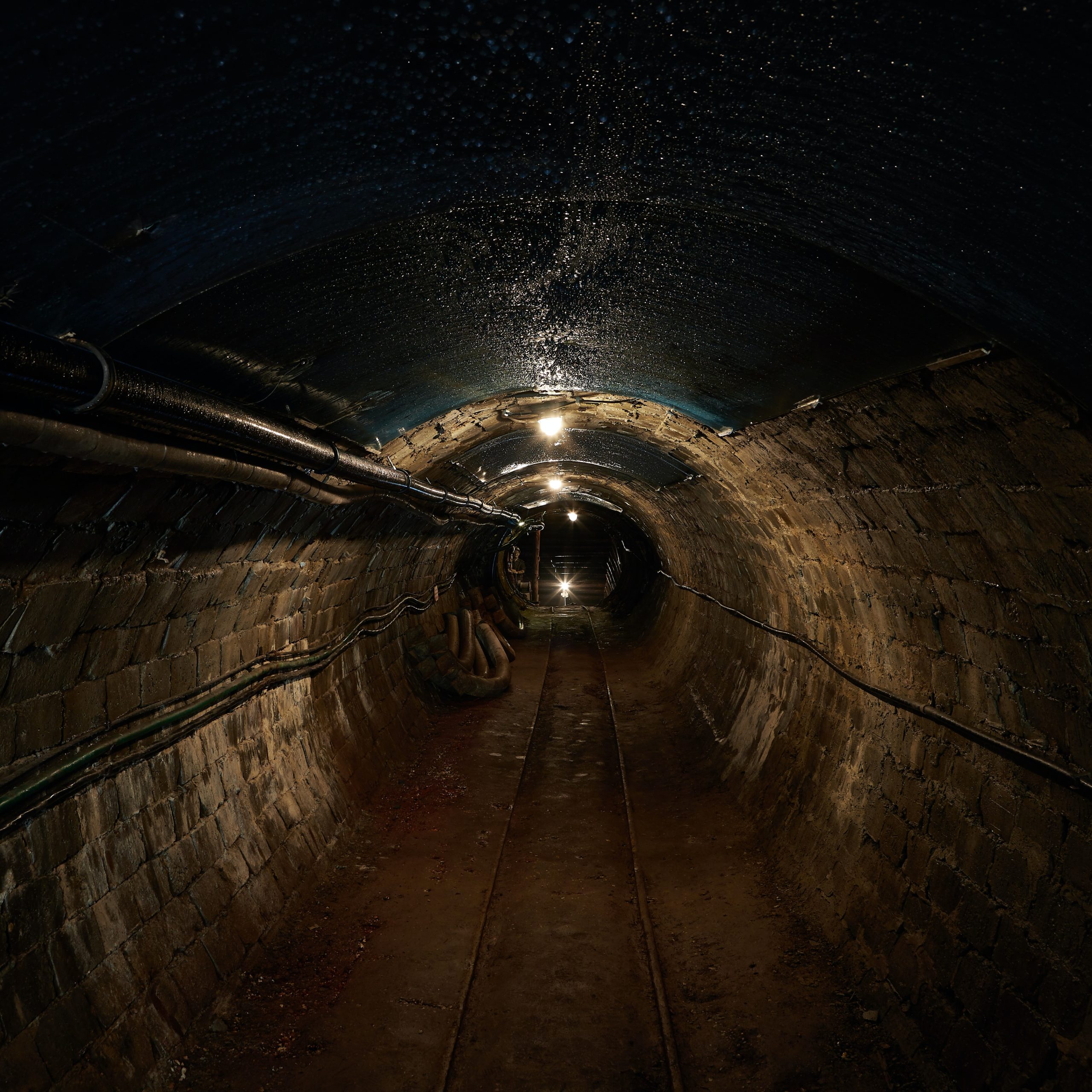
The tunnel was built essentially “sobori” style — hand-excavated through natural rock, with a distinctive decorative concrete portal (坑門) at its entrance. That portal design is unusual enough that engineering historians have taken note: the Japan Society of Civil Engineers has listed the tunnel as a Category-B Modern Civil Engineering Heritage Site, citing its rare nationwide concrete portal construction combined with a natural-rock, mortar-sprayed interior.
Once a newer, lower tunnel (Nofuku Tunnel) was built into the mountainside to carry the modern Uwa–Akehama route, traffic on the old Tawaratsu Tunnel dropped sharply. Today the old tunnel is unpaved, unlit, and largely bypassed; multiple road-history and civil engineering hobbyist sites report ongoing deterioration of the mortar lining and occasional rockfall inside. Access to the old tunnel is reported as blocked or restricted at points, consistent with a decommissioned, rarely maintained structure rather than an active public road.
The Legend
Ghost-spot directories and blogs describe the Tawaratsu Tunnel as one of Ehime's well-known “yurei tunnel” (ghost tunnel) locations. The most commonly repeated version of the story describes the apparition of a woman carrying an infant, said to appear inside the tunnel, particularly toward the far, darker end away from the newer road. Some accounts attach this to a rumor that a parent and child died by suicide in or near the tunnel at some point in the past, and that their lingering grief or resentment (onnen) is what visitors sense.
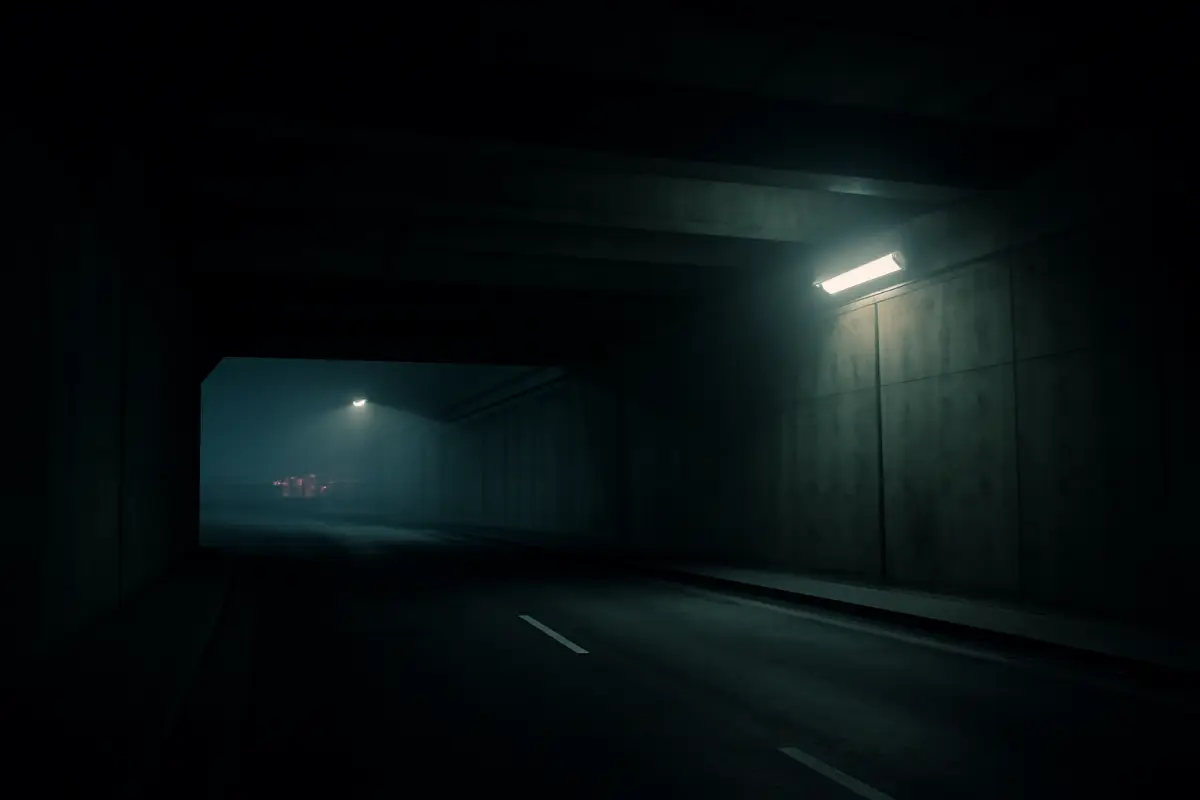
Visitor accounts posted to Japanese “shinrei spot” databases and blogs describe the pitch-black interior, the rough, uneven hand-carved rock walls, and a generally unsettling atmosphere — heightened by the tunnel's near-total disuse since the new tunnel opened.
What We Could Not Verify
We found no verifiable death record, newspaper account, police record, or named victim connected to a suicide, murder, or fatal accident at the Tawaratsu Tunnel. The “mother and child” story appears consistently across ghost-spot listicles and fan-run databases, but these sites cite each other or unattributed local rumor rather than any documented incident.
It is also worth noting that a hand-dug mountain tunnel from the 1920s, now abandoned, unlit, structurally deteriorating, and prone to rockfall, is inherently unsettling to walk through even without a ghost story attached. We treat the haunting itself as unverified local legend, while the tunnel's age, construction, heritage designation, and current abandoned state are well documented.
Can you visit: Partially. The tunnel structure exists and its general location on the old Nofuku Pass road is documented, but the old tunnel is largely disused, unlit, and reported to have blocked or restricted access at points, with a newer tunnel now carrying regular traffic below it. Anyone visiting should treat it as an abandoned structure with real hazards (darkness, uneven unpaved surface, rockfall) rather than a maintained tourist site.
Frequently Asked Questions
Is Tawaratsu Tunnel a recognized historic structure?
Yes — its 1926 hand-dug construction and decorative concrete portal have been noted by the Japan Society of Civil Engineers, one of the more solidly documented tunnels covered on this site.
Is there a documented haunting at Tawaratsu Tunnel?
No specific incident has been verified — its “shinrei spot” reputation circulates on ghost-story blogs and listicles without a named event behind it.
As an Amazon Associate, this site earns from qualifying purchases.