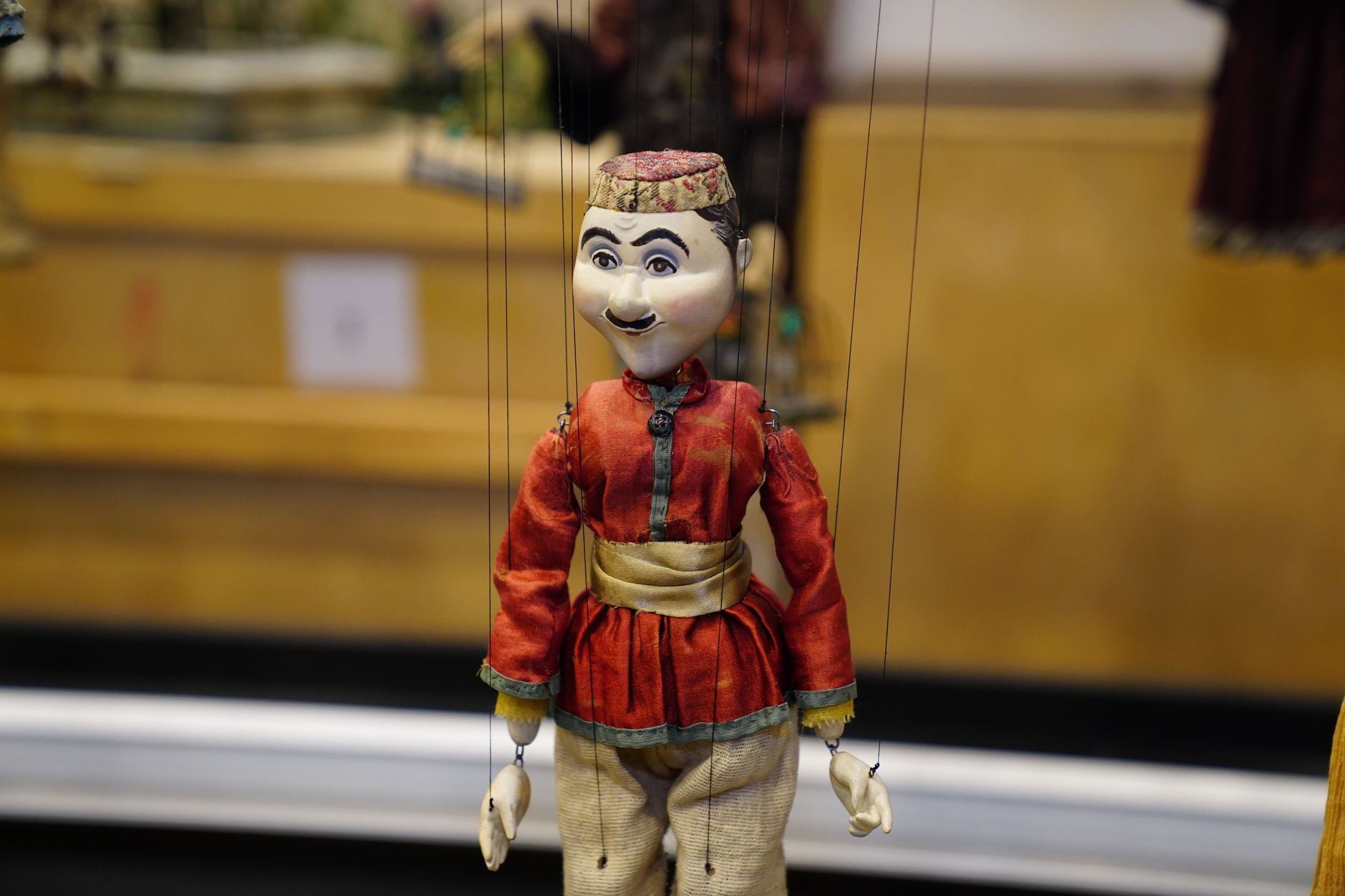
Robert the Doll is a real, 40-inch sailor-suited doll on display at the Fort East Martello Museum in Key West, Florida, and the museum's own page says he belonged to a boy named Robert Eugene “Gene” Otto. The doll exists and the letters addressed to him exist. The haunting is local lore, and the claim that he inspired Chucky is denied by the man who created Chucky.
In the record
- The Key West Art & Historical Society says Robert was donated to the Fort East Martello Museum in 1994 and describes him as handmade, about 40 inches tall and dressed in a sailor suit.
- The museum says Gene Otto died in 1974 and that Myrtle Reuter, who bought the Otto home, gave the doll to the museum.
- The museum says letters addressed to Robert, apologizing or asking forgiveness, arrive at the museum.
- Don Mancini, creator of Child’s Play, has described Cabbage Patch dolls and marketing to children as his starting point.
Not in the record
- That the doll moves, curses people or changes expression; these are stories told by owners, visitors and later writers.
- A single agreed origin: sources disagree on the year he was given and who gave him.
- That Robert the Doll inspired Chucky; the one named source on the point rejects it.
Is Robert the Doll Real?
Yes, as an object. Robert the Doll sits in a glass case at the Fort East Martello Museum, a Key West site run by the Key West Art & Historical Society. The museum describes him as “one-of-a-kind, handmade,” created around the turn of the 20th century and stuffed with excelsior, a type of wood shaving. Ripley's says he stands just over three feet tall.
What is not established is anything supernatural. The sources consulted show no inspection or record of Robert the Doll doing anything; the stories come from people's accounts, written down long after the events.
Who Owned Robert the Doll?
The museum says Robert the Doll is named for Robert Eugene Otto, called Gene, who grew up to be a prominent artist. Ripley's says Otto designed the gallery at the Fort East Martello Museum, and that he died in 1974.
Details of the gift do not match across sources:
- The year. Ripley's says Otto received the doll in 1906. Atlas Obscura, in a 2013 article republished by Slate, says 1904, when Otto was four. The museum's page gives no year for the gift.
- The giver. Atlas Obscura says the family's Bahamian maid gave him the doll. Ripley's says accounts differ: some believe his grandfather bought it in Germany, others that a servant gave it.
- The maker. The museum calls the doll handmade and one-of-a-kind. English Wikipedia says he was reportedly made by the German firm Steiff; the museum page and the Ripley's article do not mention Steiff, so that is unconfirmed here.
From Otto Home to Museum: What the Museum Says
According to the museum, Gene Otto died in 1974. Myrtle Reuter bought the Otto home that year and moved the doll to Von Phister Street six years later. In 1994 she gave him to the Fort East Martello Museum. The museum says she told staff that Robert “moved around her house on his own and was haunted,” and that she died a few months later.
That chain, from Otto to Reuter to the museum, is the best-documented part of the story. It also contradicts the popular line that the doll “vanished” after the house changed hands.
What the Museum Says About Cameras and Letters
The museum's page says that once Robert was on display, “cameras and electronic devices malfunctioned in his presence.” That is a claim the museum repeats, not a test result.
The letters are different, because they are physical objects. The museum says letters addressed to the doll began arriving, offering apologies for disrespectful behavior or asking forgiveness, and that they “continue to arrive daily.” Atlas Obscura reports that apologetic letters from people who photographed him without permission hang on the wall behind his case, and Ripley's says the museum collects and catalogs them.
Asking Robert's permission before photographing him is therefore a visitor custom reported by a journalist. The museum's exhibit page does not state it as a rule, so it should not be called official.
Did Robert the Doll Inspire Chucky?
The Chucky claim spreads most, and the sources consulted do not support it.
Don Mancini created the Child's Play series, and he has given his own account of where it came from. In a Mental Floss oral history of the film, he says he wanted to write “a dark satire about how marketing affected children,” and that Cabbage Patch dolls were hugely popular at the time: “I put the two impulses together.” The article does not mention Robert the Doll.
Dread Central quotes Mancini, from the author Fiona Dodwell's book on haunted dolls, rejecting the idea that Robert the Doll was a model: "I've read that Robert the Doll inspired him. And that's just not the case." The quote is carried second-hand, so it is attributed here. The same piece says Chucky was a metaphor for the Cabbage Patch craze.
Neither the museum page nor the Ripley's article mentions Chucky, and no filmmaker is on record saying Robert was the model. The link looks like a later internet pairing of two famous dolls. Films named after Robert, beginning with Robert in 2015, do draw on him, but they came decades after Chucky.
For a doll that actually shaped a blockbuster, see the Annabelle doll and the real Raggedy Ann behind the Warren case, or the film-versus-fact breakdown in Is The Conjuring: Last Rites based on a true story?.
Where the Legend Grew
Several details widely repeated about Robert the Doll come from retellings, not the museum's page. Atlas Obscura says Otto blamed the doll for fits of rage and for overturned furniture, that his parents overheard him talking with it at night, that children outside the house claimed to see it scowling from windows, and that later tenants reported giggling. No dated newspaper report or family document backing these was found in the sources consulted.
For other Florida stories, see the Florida haunted places guide. For another doll legend tied to a physical site, compare the Island of the Dolls in Mexico.
How Much Is Documented
Documented: Robert the Doll is held by the Key West museum; the donation was in 1994; Otto died in 1974; Reuter owned the home and gave the doll away; letters addressed to him arrive and are displayed. Oral tradition: the movements, curses and expressions, the camera trouble, and the tale of Otto's childhood. Disputed: the year of the gift, who gave it, and the maker. Modern embellishment: the Chucky link and the idea that the doll vanished. The site therefore labels this entry partially documented.
Frequently Asked Questions
Is Robert the Doll real?
Yes. He is a handmade doll in a glass case at the Fort East Martello Museum in Key West, and the museum says he was donated in 1994. What is unproven is any haunting; the museum repeats stories about him but offers no test or record that shows the doll doing anything.
Is Robert the Doll haunted?
No documented evidence says so. The claims rest on Myrtle Reuter's statement to the museum, reports of malfunctioning cameras, and visitor letters. Those show people believe the story; they do not verify it.
Did Robert the Doll inspire Chucky?
The sources consulted say no. Don Mancini, the creator of Child's Play, points to Cabbage Patch dolls and marketing to children, and Dread Central quotes him calling the Robert link “just not the case.” No filmmaker is on record confirming it.
Who was Robert Eugene Otto?
He was the Key West boy who owned the doll and later became a prominent artist, according to the museum. He was called Gene and died in 1974. Ripley's says he designed the gallery at the Fort East Martello Museum.
Do you have to ask Robert the Doll's permission to take a photo?
It is a visitor custom, not a posted rule in the sources consulted. Atlas Obscura reports apology letters on the wall behind his case from people who photographed him without asking. The museum's exhibit page does not set the requirement out.
Where is Robert the Doll now?
Robert the Doll is on display at the Fort East Martello Museum in Key West, Florida. Check the museum's hours before visiting.

Comments