- Native
- 구미호 (kumiho)
- Type
- Fox spirit / shapeshifter
- Region
- Korea
- Verification
- Oral tradition
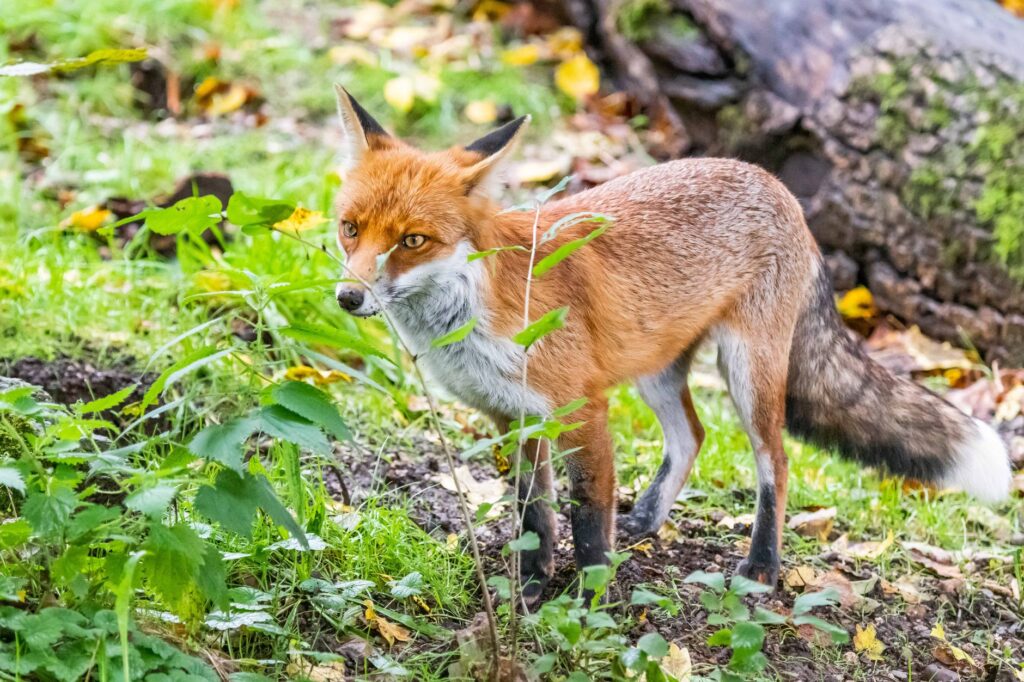
A gumiho (구미호, also romanized kumiho) is the nine-tailed fox of Korean folklore, a fox spirit that can take human shape, most often a woman's. In old tales she is usually a danger. In K-dramas of the last fifteen years she is often a lead character who wants to be human and falls in love.
In the record
- A nine-tailed fox is described in China’s Shanhaijing (Classic of Mountains and Seas), compiled between roughly the Warring States period and the early Han.
- Fox stories appear in Korea’s Samguk Yusa and Samguk Sagi; English Wikipedia says the nine-tailed fox itself is not found in Korean records until the Goryeo period.
- Joseon-era works such as Dongpaenaksong and Jeon Woo-chi-jeon feature a nine-tailed fox.
- SBS aired My Girlfriend Is a Gumiho in 2010; tvN aired Tale of the Nine Tailed (구미호뎐) in 2020.
Not in the record
- Any real animal or person behind the gumiho; she is a figure of tales and literature.
- A single fixed rule such as “1,000 days without killing makes her human”; the sources consulted do not give it.
- One agreed folk version: tales differ on what the gumiho eats and how she becomes human.
What Is a Gumiho?
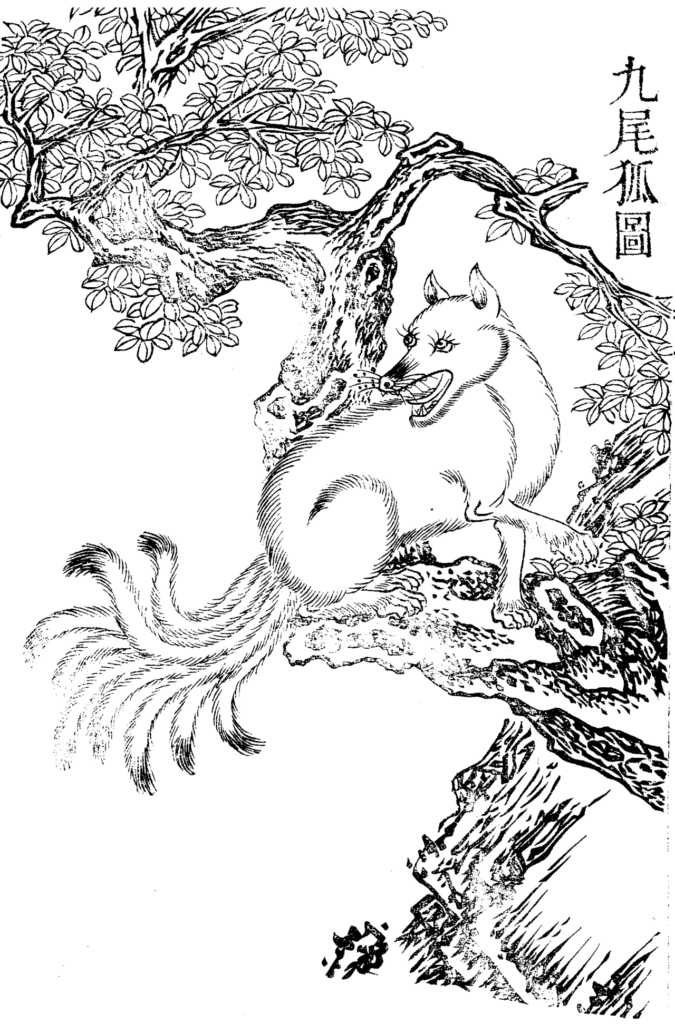
The name means “nine-tailed fox.” English Wikipedia describes the gumiho as a creature of East Asian folktales and Korean legend, similar to the Chinese jiuweihu, the Japanese kitsune and the Vietnamese hồ ly tinh. The same article notes that the word first meant a magical fox in Joseon-era novels, or served as an insult for treacherous officials, and later widened to cover fox spirits in traditional Korean sources.
Is the Gumiho Real?
No animal or event stands behind her. The gumiho is a literary and oral figure, and her history can be followed through texts.
Where the Gumiho Appears in Old Sources
China first. The earliest record of a nine-tailed fox is the Shanhaijing, which places it in the land of Qingqiu; English Wikipedia dates the book to roughly 475 to 141 BCE. Guo Pu (276 to 324 CE), as summarized on the Huli jing page, wrote that foxes gain transforming powers at fifty, one hundred and one thousand years.
Korea. English Wikipedia's Gumiho article names two early Korean chronicles, Samguk Yusa and Samguk Sagi, as the sources for ancient fox stories. Samguk Sagi records a white fox as an omen in Goguryeo and foxes entering the Baekje palace before its fall. Samguk Yusa has the story of the monk Wonkwang and a black fox. These are omens and companions, not yet the gumiho of later tales.
The same article states that the nine-tailed fox does not appear in Korean records until the Goryeo period (918 to 1392). It lists the poet Yi Kyubo (1168 to 1241) as mentioning nine-tailed foxes, and the poet Im Chun (1149 to 1182) as comparing treacherous courtiers to foxes.
Joseon. By the Joseon period the nine-tailed fox is a full character. Wikipedia lists Dongpaenaksong, a collection believed to have been compiled in the 1770s, which includes a nine-tailed fox defeated by the hero Seo Gyeong-deok. Jeon Woo-chi-jeon began in the 17th century, and its 1847 Gyeongpan edition is the best known. A fox marble taken from the creature's mouth is a motif there.
The Folklore Pattern
Across tales, a few elements recur, though not in every version.
- A woman's shape. Wikipedia's Kumiho article says foxes are often shown as beautiful women or, in some tales, as monks.
- A hunger for bodies. Popular summaries say the gumiho seduces men and eats a liver or heart, depending on the tale. The texts Wikipedia cites are more specific and more varied: in the Geotaji tale a disguised fox monk tries to eat a dragon's liver, and in the Seo Gyeong-deok story the fox feeds on the blood and organs of virtuous men.
- Great age. Tales give her ages such as a thousand years, and in Wang Sujae three thousand.
- Becoming human. Wikipedia says this motif is rare before modern times but does appear in Joseon works. In Myeonghaengjeonguirok a fox waits for a poem that will make it human.
Many variants are recorded in the Compendium of Korean Oral Literature (한국 구비문학 대계), as English Wikipedia notes.
A common online line says a gumiho who goes 1,000 days without killing becomes human. The Wikipedia articles consulted do not contain that rule; they give a hundred-day wait in one 1800s tale and a ten-year wait in another. It is treated here as unverified.
The Gumiho and the Fox Spirits of China and Japan
The fox who becomes a woman is shared across East Asia. English Wikipedia's Huli jing article, citing Kang (2006) and Wallen (2006), says the nine-tailed fox motif spread from China to Japan, Korea and Vietnam. In China the huli jing can be harmful or kind: Pu Songling's Liaozhai Zhiyi includes love stories with a fox who appears as a beautiful girl. The Japanese kitsune is the same family.
For neighbouring Korean beings on this site, see the dokkaebi, the gwisin and the Jeoseung Saja. For the Japanese side, the Japanese yokai guide is the entry point.
How Television Changed the Gumiho
English Wikipedia's Gumiho article traces the screen history. A 1969 film, A Thousand-Year Fox, and a 1978 TBC drama of the same title came early. KBS2's horror anthology Hometown of Legends (전설의 고향) ran in several periods from 1977; the article calls its gumiho, who longs to become human, an influential prototype for later versions.
From the late 2000s, the article says, television moved away from horror and increasingly cast the gumiho as a familiar or sympathetic female lead, later adding male gumiho. Examples it lists:
- My Girlfriend Is a Gumiho, SBS, 16 episodes from August 11 to September 30, 2010, starring Lee Seung-gi and Shin Min-a. A student frees a nine-tailed gumiho, who uses her fox bead to save his life.
- Gu Family Book (구가의 서), MBC, 2013.
- Tale of the Nine Tailed (구미호뎐), tvN, October 7 to December 3, 2020, starring Lee Dong-wook, Jo Bo-ah and Kim Bum. A fox spirit who hunts supernatural threats in the city falls for a TV producer. A second season, Tale of the Nine Tailed 1938, premiered on May 6, 2023.
- My Roommate Is a Gumiho (간 떨어지는 동거), tvN, 2021.
The romantic gumiho of these shows is a modern reinterpretation. The older texts give her hunger, tricks and age; the wish to be human is present in some Joseon tales, but the cheerful, lovable lead is a television product.
How Much Is Documented
Documented: the nine-tailed fox in Chinese texts, fox stories in Korean chronicles, named Goryeo and Joseon works, and the dates and networks of the dramas above. Oral tradition: the tales themselves, which vary by teller and region, including what she eats and how she becomes human. Modern invention: the romantic hero image and the fixed “1,000 days” rule. The site therefore labels this entry oral tradition.
Frequently Asked Questions
What is a gumiho?
A gumiho (구미호) is the nine-tailed fox of Korean folklore, a fox spirit that can take human form, usually a woman. Older tales cast her as dangerous, while modern K-dramas often show her as a sympathetic or romantic character.
Is the gumiho real in Korean folklore?
She is real as a folklore figure, not as an animal or person. The nine-tailed fox is found in Chinese texts from before the common era and in Korean works from the Goryeo and Joseon periods, but no event or creature is documented behind her.
Does a gumiho really eat livers or hearts?
Some tales say so, and popular summaries repeat it. The sources consulted give specific cases: a fox monk trying to eat a dragon's liver, and a fox feeding on the blood and organs of virtuous men. It is not a single universal rule.
Do gumiho need 1,000 days to become human?
The sources consulted do not confirm it. They record a great age of a thousand years or more for the fox, and in Joseon tales another route to humanity, such as a poem. The 1,000-day rule looks like a modern retelling.
What is the difference between a gumiho and a kitsune?
Both come from the East Asian nine-tailed fox motif that spread from China. The gumiho is the Korean form, often drawn as a woman who is dangerous in older tales, while the kitsune is the Japanese form.
Which K-dramas feature a gumiho?
Dramas that Wikipedia lists include My Girlfriend Is a Gumiho (SBS, 2010), Gu Family Book (MBC, 2013), Tale of the Nine Tailed (tvN, 2020) and My Roommate Is a Gumiho (tvN, 2021). See also our guide to the best Korean horror movies and books.
Comments