This article contains affiliate links. If you buy through them, we may earn a commission at no extra cost to you.
High in the Pamir mountains, where villages sit closer to glaciers than to cities, the Tajik people tell of beings that belong to neither the human world nor the divine one. They are called pari, and they are not quite fairies, not quite spirits, not quite anything a single English word can hold. A pari might sing from the middle of a mountain lake at midnight. A pari might marry a shepherd who proves himself brave enough to sit alone until dawn. A pari might also vanish a traveler who wanders where she has claimed the silence as her own.
Tajikistan does not yet have a pari story of its own on this site, even though the word appears across the wider Persian-speaking world. That gap matters, because the Pamiri version of this belief is not simply a copy of the Iranian one. It grew inside a specific landscape of glacial lakes, Ismaili shrine culture, and oral storytelling traditions carried by seven distinct highland ethnic groups. This is that story.
Who the Pari Are
In the broadest Persian-influenced tradition, pari are beings said to be formed from fire, capable of flight, and marked by beauty so complete it borders on danger. Among the Tajik populations of the Pamirs and the lowland valleys, that description holds, but the emphasis shifts. Ethnographer O. A. Sukhareva documented pari as a living part of everyday shamanistic belief among lowland Tajik communities, not as a fossilized fairy tale. People did not just tell pari stories. They took precautions against pari, and they sometimes credited pari with cures no doctor could explain.
The moral character of a pari depends entirely on how a person treats her, and on how much respect a person shows the wild places she inhabits. She is not a villain waiting to strike. She is closer to a force of nature that responds to conduct: courage and stillness are rewarded, arrogance and intrusion are punished.
The Lake That Sings
The clearest surviving Tajik pari legend centers on a small azure lake high in the Kara-Taga range, cradling a tiny island thick with fragrant mountain herbs. Local tradition holds that anyone brave enough to spend a full night alone on that island, in total silence, may hear the singing of many unseen girls rising from the water. If the traveler endures the loneliness without breaking, a pari is said to rise from the depths and grant a single magical kiss.
The same tradition warns that fireballs sometimes lift off the lake's surface after dark, carrying secrets no living person is meant to keep. Villagers near the Kara-Taga range still speak of the lake with a mix of longing and caution. Few actually climb up to test the legend themselves.
Water, Springs, and the Feminine Element
Across Central Asia, a specific category of pari is tied to water rather than fire: the so-called water pari, described in older ethnographic accounts as “mistresses of water.” This lines up with how the Pamirs treat their springs. The Bibi Fatima hot springs in the Wakhan Corridor are still visited by women seeking fertility blessings, wrapped in a layer of Islamic naming (after the Prophet's daughter) laid over what researchers believe is a far older, pre-Islamic reverence for mountain water. Pari belief and spring pilgrimage grew up side by side here, even where the two traditions don't name each other directly.
Paristan, Not Just a Persian Import
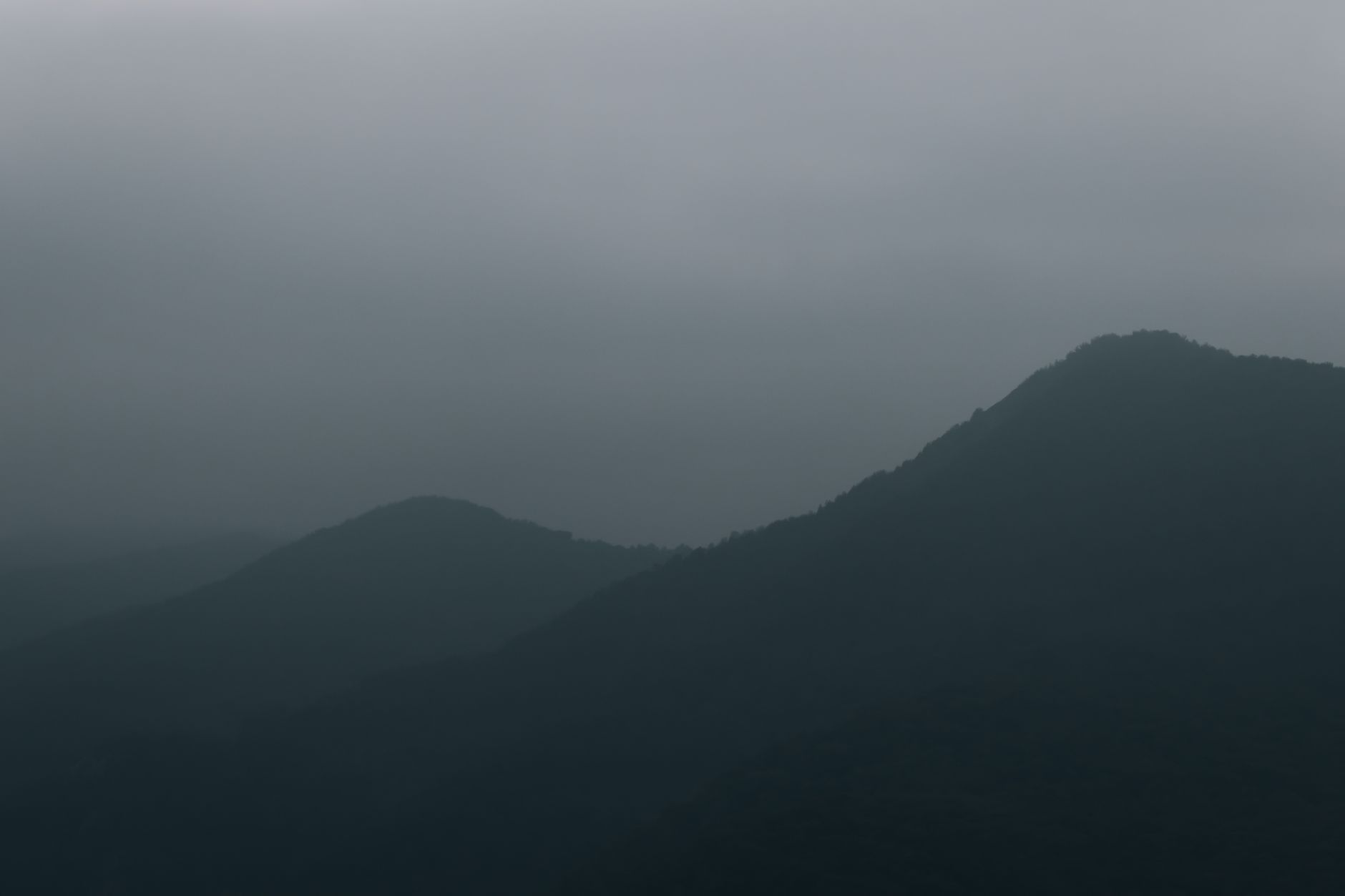
Wider Persian and Afghan Tajik tradition places pari in Paristan, a realm on or beyond the mythical Koh-e Qaf, a mountain said to ring the edge of the world. For lowland storytellers, that mountain was a distant, imagined place. For Pamiri Tajiks, it barely needed imagining. The real Pamirs already look the part: jagged, glacier-capped, cut off from the rest of the world by altitude and weather for half the year. When a Pamiri grandmother describes pari coming down from the high peaks, she is not borrowing a metaphor. She is describing her own horizon.
This is also where the local flavor breaks from the Iranian Peri tradition covered elsewhere on this site. Persian peri lore tends to frame these beings as reformed demons, cast out of paradise and later redeemed into something closer to angels, shaped heavily by Zoroastrian and later Islamic reinterpretation. Pamiri pari carry less of that theological baggage. They read more as landscape spirits, tied to specific lakes, specific springs, specific stretches of silence, closer in function to how other mountain cultures speak of their own local guardians.
Marriage, Rings, and Recognition
One recurring plot in Tajik pari tales involves a mortal prince or shepherd who wins a pari's love, often after she loses or hides an object, most commonly a ring, that only he later recognizes. The recognition scene is the turning point. It is not enough to be brave once. The human has to prove he can still see her, still know her, after the enchantment fades. Stories like this circulated as afsana-ha, oral fairy tales passed down through Tajik households long before anyone wrote them down.
Related: Peri: How Persia’s Demon Fairies Became Its Angels.
Frequently Asked Questions
Are pari the same as jinn?
Not exactly, though the two got folded together after Islam spread through the region. Pre-Islamic pari belief predates Islamic cosmology. Later tradition recast pari as a “good” category of jinn, set in contrast to the more overtly hostile dev, but the older Tajik village stories treat pari as their own distinct class of being tied to specific places.
Is the Lake Parie Parien a real place people can visit?
It is described as a real, if remote, lake in the Kara-Taga mountain range of Tajikistan. Local guides and villagers can point travelers toward the general area, but it is not a developed tourist site, and the legend itself discourages casual visits.
Do Pamiri Tajiks still believe in pari today?
Belief exists on a spectrum, the same way it does with folklore in most mountain cultures worldwide. Oral storytelling around pari remains active in Pamiri households as cultural heritage, and springs associated with pari and healing, like Bibi Fatima, are still visited for their traditional spiritual significance regardless of how literally any individual visitor takes the old stories.
Learn More
- Central Asia and Pamir travel and culture books on Amazon
- Books on Persian and Central Asian mythology
As an Amazon Associate, this site earns from qualifying purchases.
Comments