This article contains affiliate links. If you buy through them, we may earn a commission at no extra cost to you.
On November 15, 1966, two young couples — Roger and Linda Scarberry, and Steve and Mary Mallette — were driving along State Route 62 just north of Point Pleasant, West Virginia, when they say they saw a gray, man-shaped figure roughly six to seven feet tall with glowing red eyes standing near an abandoned World War II munitions plant. According to their account, the figure spread wide wings and followed their car at speeds they later estimated at over 100 miles per hour. They reported it to the Mason County Sheriff's office that same night. That report is the sighting that made Mothman famous, but it wasn't the first, and it wouldn't be the last — over the following thirteen months, roughly two dozen documented sightings would come out of the same small area. For more on the sightings and the wider cryptid literature, see our best books about Mothman and cryptid sightings.
Verified History: What Actually Happened
Local newspaper archives and later journalistic accounts establish a reasonably clear timeline. An earlier, less-publicized report reportedly came on November 12, 1966, near Clendenin, West Virginia, when five men digging a grave said a large brown, human-shaped form lifted off from nearby trees and flew over them — though this account is secondhand compared to the more directly documented November 15 police report. After the Scarberry-Mallette sighting, additional witnesses came forward over the following year, with local and national press (including a wire report that appears to have coined the name “Mothman,” playing off the campy 1960s Batman TV show's villain names) turning Point Pleasant into a minor media sensation.
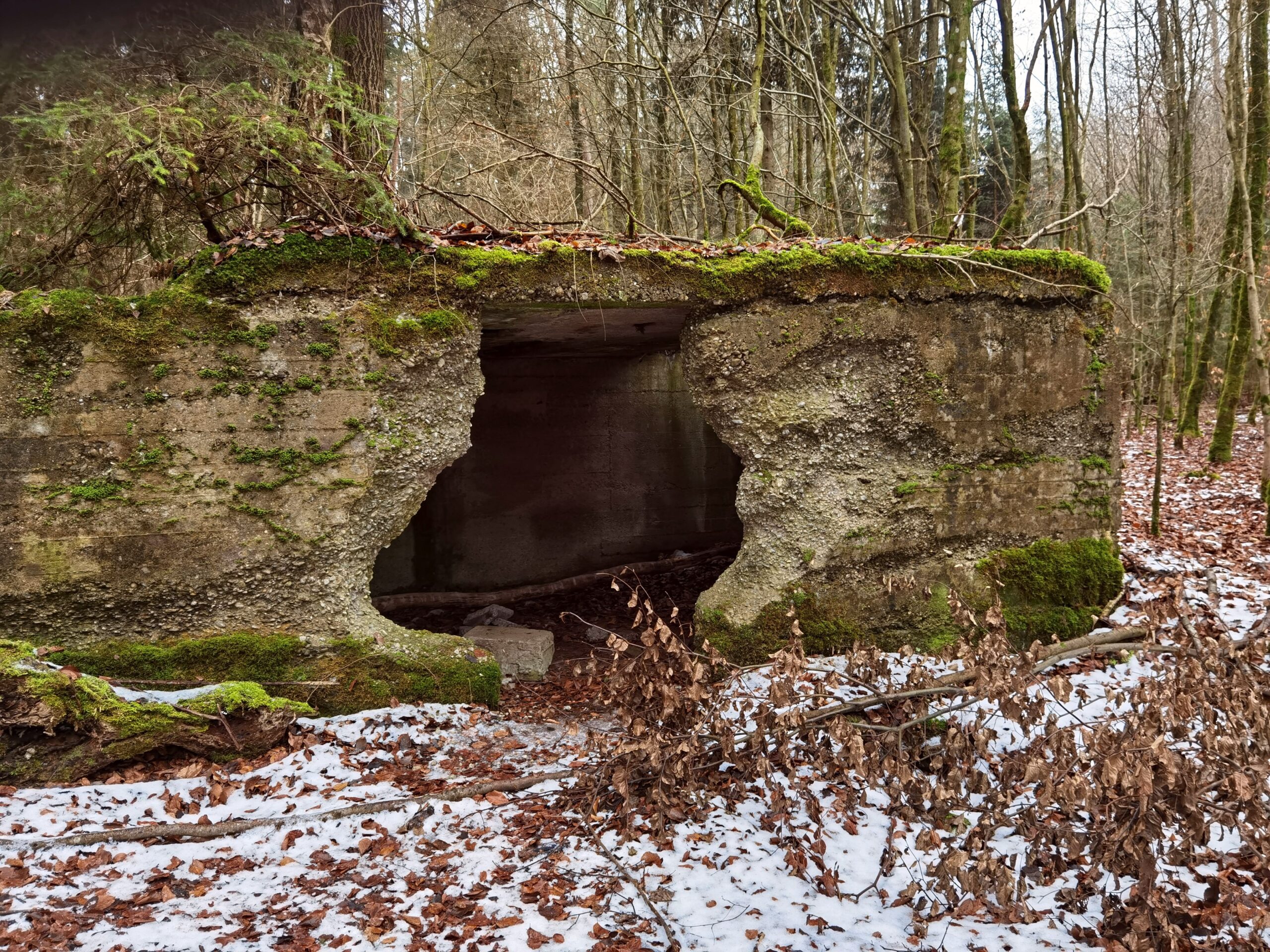
The sightings clustered geographically around what locals called the “TNT area” — a roughly 2,500-to-8,000-acre tract north of town that had been a real, documented ammunition manufacturing facility during World War II, since abandoned and left with dozens of concrete igloo-shaped bunkers used to store explosives. That the sightings concentrated around an eerie, restricted former industrial site with real tunnels and structures is one of the more mundane, verifiable facts underlying the legend — it gave a physically real, semi-abandoned landscape for a frightening story to attach itself to.
The Silver Bridge Connection
The event that cemented Mothman's legend beyond a regional curiosity was the collapse of the Silver Bridge on December 15, 1967. The bridge, which carried U.S. Route 35 traffic across the Ohio River between Point Pleasant and Gallipolis, Ohio, gave way during rush hour under the weight of traffic, killing 46 people. This is a documented historical disaster, thoroughly investigated afterward; federal engineers determined the collapse was caused by a single defective eyebar in the bridge's suspension chain, cracked through a combination of stress corrosion and metal fatigue — an entirely mundane structural-engineering failure with a documented technical cause.
The link to Mothman is folkloric, not investigative: several witnesses in the following years said they recalled seeing the creature on or near the bridge in the period before the collapse, and the idea of Mothman as a harbinger of disaster grew from those retrospective accounts, popularized further by John Keel's 1975 book The Mothman Prophecies. We could not verify contemporaneous, dated reports placing Mothman at the bridge specifically on the day of the collapse independent of accounts collected and published after the fact.
What's Actually Verifiable
What's solidly documented: roughly two dozen sightings reported to authorities and local press across a thirteen-month span in 1966-67, a real abandoned TNT manufacturing site that matches the described location, and a real bridge collapse with an established engineering cause. What is not independently verified: the creature's existence as a physical, biological entity, any causal link between the sightings and the bridge collapse, and most of the specific descriptive and behavioral details that have accumulated in retellings since. Skeptical explanations proposed over the decades include misidentified sandhill cranes (a large, unfamiliar bird for the region, with a wingspan up to 7 feet and reddish eye-shine reported from some angles) and barred owls seen under stress and poor lighting conditions — plausible but, like the paranormal explanation, ultimately unproven for any specific 1966-67 sighting.
Can You Visit?
Point Pleasant, West Virginia, leans fully into the legend today. The town operates a dedicated Mothman Museum downtown, and a stainless-steel Mothman statue stands in the town's Gunn Park area, both real, visitable sites. The former TNT area, now partly reclaimed as the McClintic Wildlife Management Area, is open to the public for hiking, with some of the original WWII-era concrete bunkers still standing and accessible.
Frequently Asked Questions
Was Mothman seen by more than one person?
Yes. Beyond the initial four witnesses on November 15, 1966, local reporting and later research place the total number of people who reported the creature or related strange phenomena at more than 100 over the following year.
Did Mothman really predict the Silver Bridge collapse?
This connection is folkloric and was largely constructed after the fact. The bridge collapse itself is a documented engineering failure (a single defective eyebar); no verified contemporaneous account ties a specific Mothman sighting to advance warning of the collapse.
What is the leading non-paranormal explanation?
The most commonly proposed explanation is misidentification of a large bird, particularly the sandhill crane, which is uncommon in the region and can show reddish eye-shine and a wingspan of roughly 6 to 7 feet under certain lighting.
Can you still visit the TNT area?
Yes — much of it is now the publicly accessible McClintic Wildlife Management Area, and some original WWII concrete storage structures remain standing.
Is the Mothman Museum a real, physical place?
Yes, it's a real museum in downtown Point Pleasant, West Virginia, dedicated to the 1966-67 sightings and local Mothman history and merchandise.
Ghost-Hunting Gear & Further Reading
- John Keel's The Mothman Prophecies and related cryptid books
- American cryptid and paranormal investigation guides
- Field guides to North American birds
As an Amazon Associate, this site earns from qualifying purchases.
Related Legends
Mothman is part of a wider world of unexplained American phenomena — see our roundup of horror movies, true crime, and paranormal gear and our full guide to haunted places in the United States.

Comments