This article contains affiliate links. If you buy through them, we may earn a commission at no extra cost to you.
In 1820, Washington Irving published a short story about a schoolmaster chased through the woods by a headless rider, and set it in a real village he had actually visited: Tarrytown, on the east bank of the Hudson River in Westchester County, New York. Two centuries later, that village’s neighboring hamlet has officially renamed itself Sleepy Hollow, and every October it fills with visitors looking for a horseman who never technically existed — attached to a war that very much did.
Where History Starts
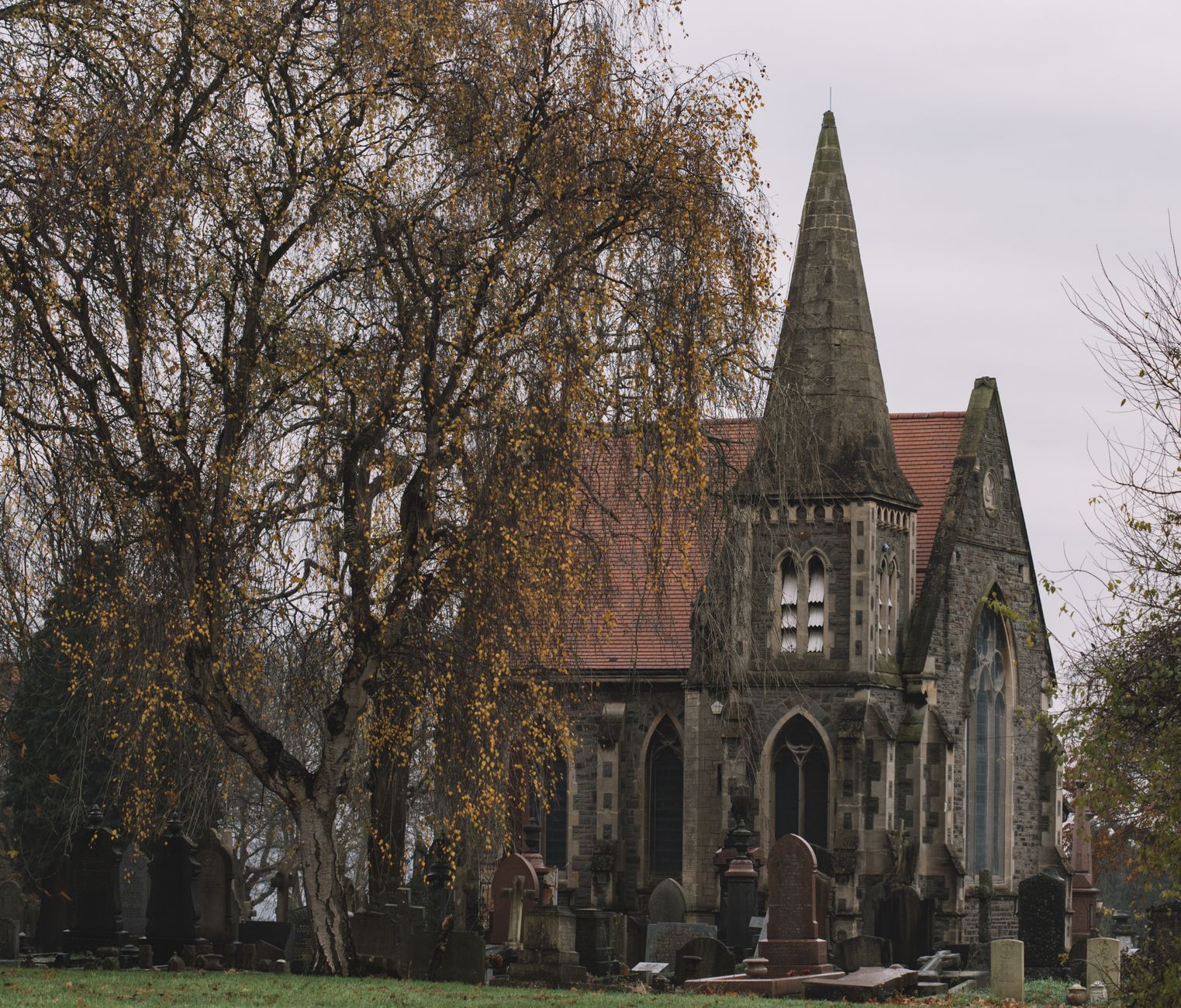
Irving’s story, “The Legend of Sleepy Hollow,” appeared in his collection The Sketch Book of Geoffrey Crayon, Gent. The real Tarrytown and the adjoining hollow were places Irving knew personally: as a teenager he had traveled north from Manhattan to visit a friend, James Kirke Paulding, who lived in the area, and he absorbed its Dutch-colonial atmosphere and local ghost talk firsthand. The Old Dutch Church and its burying ground, which the story uses as the horseman’s home base, is a genuine 17th-century structure that still stands in what is now Sleepy Hollow, New York, and its cemetery holds real 18th-century graves.
The detail that gives the story its edge — a decapitated soldier looking for his head — is not Irving’s invention. It draws on an actual wartime death. Hessian troops, German soldiers hired by Britain to fight in the American Revolution, fought at the Battle of White Plains in October 1776, a few miles from Tarrytown. American general William Heath, in a memoir published in 1798, recorded in his journal entry for November 1, 1776, that “a shot from the American cannon at this place took off the head of a Hessian artillery man.” That single documented line — an artilleryman losing his head to cannon fire in a battle fought near the exact ground Irving later wrote about — is very likely the historical seed of the “headless Hessian” folklore that was already circulating in the Hudson Valley by the time Irving arrived as a teenager.
The Legend Irving Built On Top Of It
By the time Irving sat down to write, local Dutch settler communities in the lower Hudson Valley are said to have already told stories of a headless Hessian horseman searching the countryside at night for the head he lost in battle. Irving took that circulating oral tradition and gave it a plot, a setting, and named characters: Ichabod Crane, the lanky, superstition-prone schoolmaster; Katrina Van Tassel, the wealthy farmer’s daughter he courts; and Brom Bones, his rival, who — the story strongly implies, without ever confirming it outright — may have dressed up as the horseman to scare Ichabod out of town for good after their pumpkin-throwing chase along the bridge by the church.
That ambiguity is the actual literary trick of the story: Irving never tells the reader whether Ichabod was killed, spooked into fleeing, or the victim of Brom’s prank. The horseman himself is folklore. The bridge, the church, the graveyard, and the war that supposedly cost a real soldier his head are not.
What’s Actually Verifiable
Here is where the historical record holds up, and where it stops:
- Verifiable: Tarrytown and the Old Dutch Church are real, Irving spent time there as a young man, and the Battle of White Plains occurred in October 1776 with Hessian troops present.
- Verifiable, with a documented primary source: General Heath’s 1798 memoir records a Hessian artilleryman losing his head to cannon fire on November 1, 1776 — the single clearest paper trail behind the “headless Hessian” idea.
- Plausible but not provable: That this specific documented death is the direct origin of the local ghost story Irving heard, rather than one contributing strand among several. Oral folklore rarely leaves a citation trail connecting a battlefield incident to a campfire story decades later, so the connection is a strong inference, not a proven chain of custody.
- Fiction, full stop: The horseman’s nightly rides, the pumpkin as a substitute head, and Ichabod Crane’s fate are Irving’s invented plot, not reported local belief.
Modern Sleepy Hollow, New York — the hamlet formerly called North Tarrytown, which renamed itself in 1996 to embrace the association — leans into this ambiguity rather than resolving it, which is arguably the most honest way a real town can market a fictional monster.
Learn More
- The Legend of Sleepy Hollow and Other Stories, Washington Irving
- The Historically Annotated Legend of Sleepy Hollow, Henry John Steiner
- Books on the American Revolution in the Hudson Valley
Frequently Asked Questions
Is Sleepy Hollow a real place?
Yes. Sleepy Hollow, New York is a real village in Westchester County, adjoining Tarrytown, on the Hudson River. It was known as North Tarrytown until 1996, when it officially adopted the name from Irving’s story.
Was the Headless Horseman a real person?
No individual “Headless Horseman” is documented. The idea likely traces back to a real, recorded incident: a Hessian artilleryman who lost his head to cannon fire at the Battle of White Plains in 1776, an event noted in General William Heath’s 1798 memoir.
Did Washington Irving invent the legend from nothing?
No. Irving adapted a headless-Hessian ghost story that was already circulating among Dutch settler communities in the Hudson Valley, and built his own plot, characters, and setting around it.
What happens to Ichabod Crane at the end of the story?
Irving never says definitively. The story leaves open whether Ichabod was killed, whether he was frightened into permanently leaving the area, or whether his rival Brom Bones staged the whole chase as a prank — a deliberate ambiguity, not an oversight.
Can you visit the real locations from the story?
Yes. The Old Dutch Church and its burying ground still stand in Sleepy Hollow, New York, and the village holds Halloween-season events built around the legend every year.
Were Hessian soldiers really involved in the Battle of White Plains?
Yes. Hessian troops, German soldiers contracted by Britain, fought alongside British forces at the Battle of White Plains in October 1776, a documented engagement a few miles from Tarrytown.
As an Amazon Associate, this site earns from qualifying purchases.
Comments