This article contains affiliate links. As an Amazon Associate, this site earns from qualifying purchases.
Polish and Silesian villagers had a specific, almost clinical way of identifying a strzyga before it ever did anything wrong: it was said you could recognize one at birth, by counting teeth. A child born with a visible row of teeth and a second, barely-visible row behind it was believed to carry two souls — one that could be baptized, and one that couldn't. That belief, and what was said to happen after such a person died, forms one of the most distinctive vampire traditions in Slavic folklore.
What the historical record actually says
Linguists trace strzyga to the Latin strix, the term Roman writers used for a screeching, blood-drinking night bird associated with death omens. The Polish folklorist Aleksander Brückner documented this etymological chain in his historical linguistic work: Latin strix became striga in medieval Latin, which produced strega (witch) in Italian on one branch and, on another, fed directly into the Slavic and Balkan vampire vocabulary — Polish strzyga, Romanian strigoi, and Albanian shtriga all descend from the same Roman root.
That shared etymology is well-documented and reflects something real about how the belief spread: as Roman-influenced vocabulary about ill-omened birds moved north and east into Slavic-speaking territory, it fused with existing local beliefs about the restless or wrongly-buried dead. Folklorists studying Polish and Silesian oral tradition recorded the strzyga primarily as a rural belief tied to unusual births and unexplained deaths — a way for a community to explain misfortune (livestock dying, crops failing, unexplained illness) by pointing to a specific, identifiable cause.
The legend as it's told today
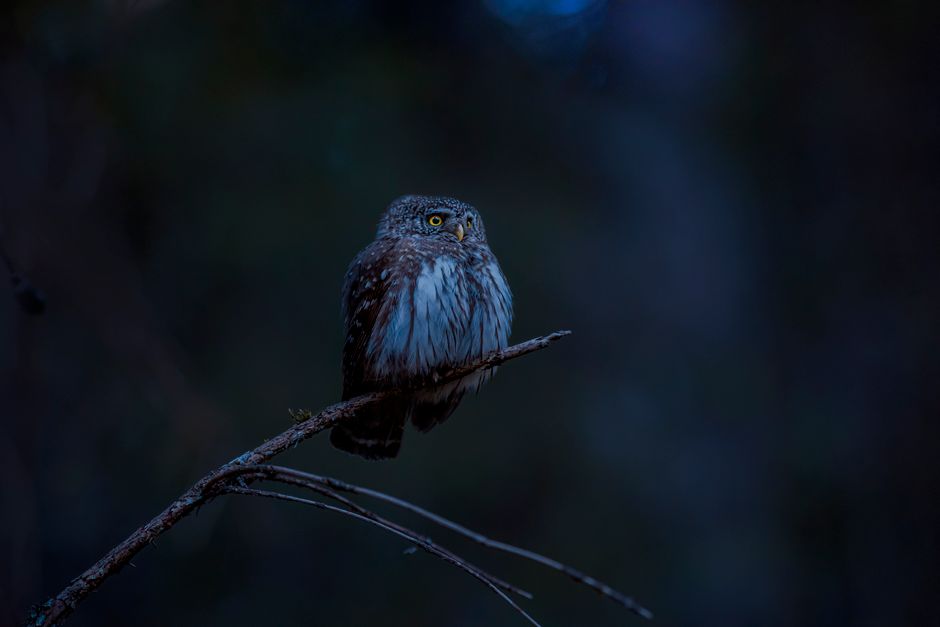
According to the folklore, the double-soul belief worked like this: a strzyga was born with two souls and, in some tellings, two hearts. At baptism, only one soul received the sacrament — the other remained unbaptized and, storytellers say, essentially wild. When such a person died, only the baptized soul departed normally. The unbaptized soul was said to stay behind and reanimate the corpse, which rose as an owl-like or bird-like creature that attacked travelers and livestock and drained their blood, echoing the strix it was named for.
Villages that believed they had a strzyga problem were said to have specific countermeasures: burying the suspected body face-down, placing objects like sickles or nets in the coffin to occupy the creature (some accounts say a strzyga was compelled to count every knot before it could rise), or in extreme tellings, decapitation and separate burial of the head. These are the same broad family of anti-revenant practices recorded across Slavic Europe — related folk responses appear in accounts of the Romanian strigoi, discussed in our companion article on Romania's original vampire folklore, where villagers used comparable burial rituals against the restless dead.
What's actually verifiable
Here's the honest split. Verifiable: the etymological chain from Latin strix through medieval striga to Polish strzyga, Italian strega, Romanian strigoi, and Albanian shtriga is documented in historical linguistics and widely cited by folklorists, including in Aleksander Brückner's foundational work on Slavic language history. The double-soul birth belief and the associated burial countermeasures are well-recorded in Polish and Silesian ethnographic collections. Not verifiable, and not claimed here as fact: that any specific historical person was a strzyga, or that the described burial rituals had any actual effect on anything supernatural. What's clear from the historical record is that the strzyga functioned as a folk explanation for otherwise unexplainable deaths and misfortunes in agrarian communities without access to modern medicine or forensics.
Cultural significance today
The strzyga sits at an important junction in European vampire folklore — genuinely cognate with the Romanian strigoi and Albanian shtriga through shared Latin roots, but distinctly Polish in its specific double-soul birth mythology and owl-linked transformation. Folklore encyclopedias covering Slavic and Eastern European mythology routinely include the strzyga alongside figures like the Baba Yaga, the Leshy, and the Rusalka as core material for understanding the broader Slavic vampire and revenant tradition, and the “count the teeth at birth” motif is frequently cited as one of the more concrete, almost bureaucratic identification methods in European folk belief — a level of specificity that sets it apart from vaguer regional vampire lore.
FAQ
Is the Strzyga the same creature as the Romanian Strigoi?
No, but they're linguistic cousins. Both names descend from the Latin strix, and both describe undead revenants, but the strzyga has a distinctly Polish double-soul birth mythology that the strigoi tradition doesn't share in the same form.
How was a Strzyga supposedly identified before death?
Folklore held that a person was born with two souls, sometimes described as two hearts, and a second, barely visible row of teeth behind the first.
What happened to a Strzyga's soul at baptism?
According to the belief, only one soul was baptized during the ritual. The second, unbaptized soul was said to remain “wild” and, after death, to animate the corpse.
Does the Strzyga turn into an owl?
The folklore ties the strzyga closely to owl imagery, consistent with its root word strix (a screeching night bird), and some tellings describe it taking a bird-like or owl-like form after rising.
Where in Poland is the Strzyga legend strongest?
Ethnographic collection of the belief is strongest in rural Polish and Silesian folk traditions, the same borderland region that also produced other regional folklore figures.
Is the Strzyga connected to the Roman Strix?
Yes — this is the best-documented part of the legend. The etymology runs directly from the Roman strix through medieval Latin striga into the Polish word.
Learn More
- Slavic mythology and vampire folklore encyclopedias
- Polish and Eastern European folklore collections
- Books on European vampire folklore history
As an Amazon Associate, this site earns from qualifying purchases.


Comments