This article contains affiliate links. If you buy through them, we may earn a commission at no extra cost to you.
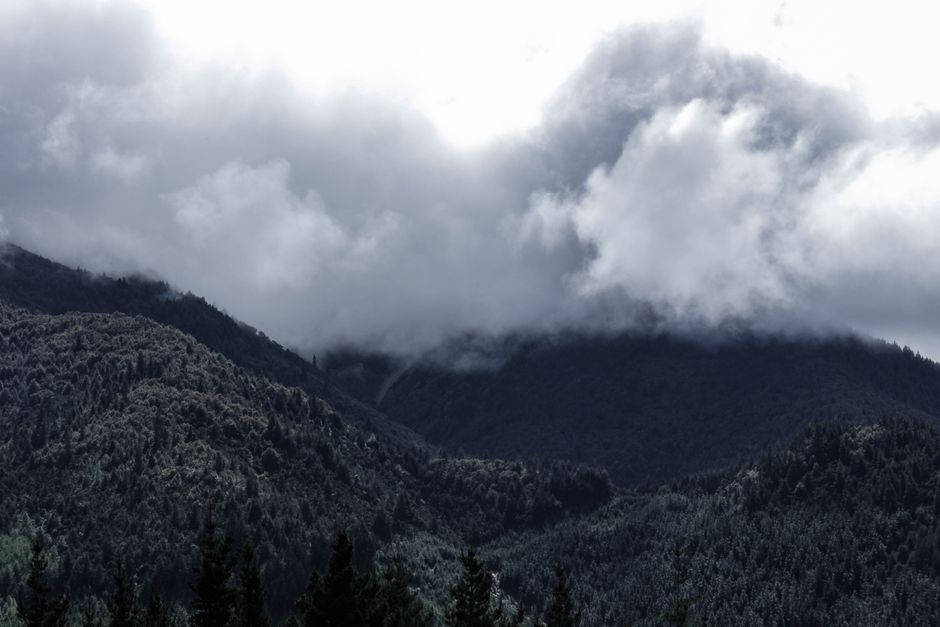
On the misty slopes of Pirongia Mountain in New Zealand's Waikato region, Tainui oral tradition describes a meeting between a woman named Hinewai and a Patupaiarehe man named Raukura beside a fog-covered stream. In the story, they exchanged songs and knowledge rather than conflict — he taught her plant medicine unknown to mortal healers, and she gave him a woven cloak in return. It's one of many named, place-specific accounts, not a vague campfire tale, and that specificity matters. The Patupaiarehe are a documented, living part of Māori oral tradition (mātauranga Māori), tied to real mountains, iwi (tribal) histories, and a body of recorded pūrākau (traditional narratives) that predates European contact with New Zealand. This article treats the Patupaiarehe as what they are within that tradition: a supernatural people (he iwi atua) with a specific, respected place in Māori cosmology, not a horror trope to be consumed for shock value.
Documented Sources and Where the Tradition Comes From
The Patupaiarehe, also called tūrehu or pakepakehā in different tribal accounts, appear across a wide geographic range of oral tradition: the Waikato–Waipā basin, the Cape Colville–Te Aroha range, the hills around Rotorua, the Urewera ranges, Wairoa, and the Waitākere ranges near what is now Auckland. Pirongia in particular is remembered in Tainui tradition as a stronghold of the Patupaiarehe, and the Waitākere Ranges' resident group was known specifically as Tahurangi, said in tradition to have been in conflict with a separate Patupaiarehe group from the Hunua ranges to the south. This level of named, region-specific detail — different named groups occupying different named mountains, with their own histories — is characteristic of oral tradition passed down through specific iwi and hapū (sub-tribes), not a single generic “fairy folk” story repeated the same way everywhere.
The written record dates to the early 20th century, when researchers including James Cowan worked with Māori informants to record oral narratives in English for the first time, publishing collections such as “Fairy Folk Tales of the Maori” in 1925. Te Ara, the Encyclopedia of New Zealand's national reference project, maintains a dedicated entry on the Patupaiarehe and ponaturi (a related but distinct sea-dwelling people) built on this same body of recorded tradition, treating them as an established part of the country's cultural record rather than speculative folklore.
The Tradition Itself
Within Māori tradition, Patupaiarehe are described as similar in stature to ordinary people but lighter in complexion, with hair of a “dull golden or reddish hue” (urukehu) rather than the black hair typical of the humans they lived alongside, and — significantly — they are never described as tattooed. They are consistently associated with mist and fog: accounts describe them drawing mist around themselves and being most active on foggy days or at night, since direct sunlight was said to harm them. Cooked food and the smell of fires were said to be offensive to them, and some accounts describe communities using cooking fires deliberately to keep them at a distance. They are generally described as living deep in forests or on mist-shrouded hilltops, in settlements sometimes described as fortified villages, paralleling human settlement patterns rather than existing outside them entirely.
What This Tradition Actually Represents
No physical evidence has ever been offered for the Patupaiarehe as literal beings, and that is not the claim Māori oral tradition makes or needs to make. What is well documented is the tradition's function and endurance: pūrākau across multiple iwi consistently describe the Patupaiarehe as a distinct, respected people with their own territory and customs, and these narratives have been recorded and preserved by tribal historians and researchers including at Te Ara for over a century. Some contemporary scholars have also noted that certain patupaiarehe narratives may preserve memory of earlier or distinct population groups, though this remains a subject of ongoing discussion among Māori historians rather than a settled conclusion.
Cultural Significance
The Patupaiarehe remain part of a living tradition rather than a historical curiosity — they appear in contemporary Māori storytelling, in place names and local history associated with ranges like Pirongia and the Waitākere, and in scholarship that treats pūrākau as taonga (treasured knowledge) rather than folklore to be reinterpreted freely by outsiders. This is a meaningful distinction from many entries on this site: where a European ghost story might be told and retold with embellishment, mātauranga Māori narratives like this one are held by specific iwi as part of their history and identity, and are best encountered through Māori-authored and Māori-reviewed sources.
Related: More legends and haunted places of Australia and the Pacific Islands.
Frequently Asked Questions
Q1: Are the Patupaiarehe considered ghosts?
No. They are described in Māori tradition as he iwi atua — a supernatural people with their own society, territory, and customs — not as spirits of the dead. That distinction matters within the tradition itself.
Q2: Where in New Zealand are the Patupaiarehe most associated with?
Named locations recur across recorded tradition: Pirongia Mountain and the wider Waikato–Waipā basin in Tainui accounts, the Waitākere Ranges near Auckland (home to the Tahurangi group), the Urewera ranges, and the hills around Rotorua and Wairoa.
Q3: Why are they described as fair-skinned with reddish hair?
Early recorded accounts, including those gathered by researcher James Cowan from Māori informants, consistently describe them as lighter in complexion with golden or reddish hair (urukehu), distinguishing them physically from the humans living nearby in the same tradition.
Q4: Is there a difference between Patupaiarehe, tūrehu, and pakepakehā?
These are largely regional or tribal names for the same broad category of forest and mountain-dwelling supernatural people, with some variation in emphasis by iwi; ponaturi, by contrast, are a related but distinct sea-dwelling people in the same tradition.
Q5: Is it disrespectful to compare the Patupaiarehe to European fairies?
Many English-language sources use “fairy folk” as a rough translation, but the comparison can flatten real differences — the Patupaiarehe are tied to specific iwi histories, named locations, and a cosmology distinct from European fairy tradition, so treating them as interchangeable risks losing that context.
Q6: Where can I read authoritative accounts of Patupaiarehe tradition?
Te Ara, the Encyclopedia of New Zealand, maintains a dedicated academic entry, and James Cowan's early 20th-century collections and A.W. Reed's Māori mythology references (below) remain widely cited English-language starting points.
Gear & Further Reading
- Fairy Folk Tales of the Maori by James Cowan — the 1925 collection built on recorded Māori oral testimony.
- Reed Book of Māori Mythology by A.W. Reed — a widely cited reference covering Patupaiarehe alongside other traditional narratives.
- He Atua, He Tangata: The World of Māori Mythology — a contemporary survey of Māori supernatural tradition.
As an Amazon Associate, this site earns from qualifying purchases.
Comments