This article contains affiliate links. If you buy through them, we may earn a commission at no extra cost to you.
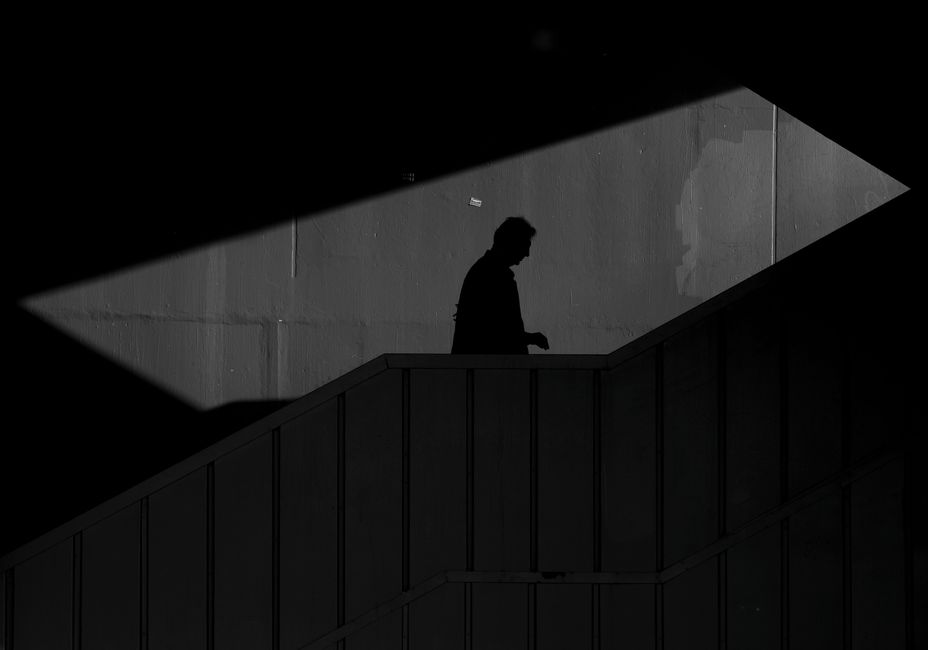
People describe it the same way across continents and cultures: waking in the dark, unable to move, aware of a tall shadowed figure standing near the bed or in a doorway. The description is so consistent — the paralysis, the sense of dread, the human-shaped darkness — that researchers studying sleep disorders now treat it as one of the best-documented cross-cultural hallucination patterns on record, not a mystery in need of a paranormal explanation.
Verified Science: Sleep Paralysis and the Brain Caught Mid-Dream
The mechanism behind most shadow people reports is sleep paralysis, a well-studied phenomenon in which a person’s brain wakes up before the muscle paralysis of REM sleep has fully lifted. During ordinary REM sleep, the body is deliberately paralyzed so that dreaming doesn’t translate into physical movement. When consciousness returns before that paralysis switches off, a person finds themselves awake, aware of their surroundings, and unable to move — while the dream-generating parts of the brain are still active and layering imagery onto the real room around them.
Researchers describe the resulting hallucinations as hypnagogic (occurring while falling asleep) or hypnopompic (occurring while waking), and they are considered visual, auditory, or tactile experiences that blend real sensory input with leftover dream content. The brain, trying to make sense of an unexplained sense of danger and an inability to move, frequently produces a threat-shaped hallucination: a dark figure standing nearby, watching. Combined with pareidolia — the well-documented tendency of human vision to see faces and figures in ambiguous shapes and shadows — this produces the recognizable “shadow person” silhouette reported so consistently.
The Legend: A Universal Figure With Local Names
What makes shadow people distinct from many other pieces of folklore is how little the core description changes as it crosses cultures. Some accounts describe the figure as a hat-wearing “hat man,” others as a shapeless mass, others as a recognizable human outline — but the paralysis, the dread, and the sense of a watching presence recur constantly. Historically, cultures have folded this experience into their own supernatural frameworks: some societies have described it as a sitting demon crushing the chest (giving English the old term “nightmare,” rooted in a folkloric “mare” pressing down on a sleeper), while others frame it as a visiting ghost, a witch, or an alien encounter, depending on the era and local belief system.
That consistency across unrelated cultures is exactly what led sleep researchers to conclude the experience is rooted in shared human neurobiology, not in any actual external entity. The specific cultural interpretation — demon, ghost, alien, “shadow person” — appears to function as a kind of framework the mind reaches for after the fact, a way of narratively explaining a physiological event that predates any of those specific folklore traditions.
What’s Actually Verifiable
Sleep paralysis itself is medically documented and reasonably common, with studies estimating a meaningful share of the population experiences it at least once. The specific visual content of an episode — a dark humanoid shape, a hat, a crouching figure — is consistent with hypnagogic/hypnopompic hallucination patterns documented in sleep research, and pareidolia is a well-established visual phenomenon independent of any paranormal claim. What is not verifiable, and what sleep researchers explicitly note falls outside their domain, is whether any external entity is present during these episodes; the leading scientific position is that the entire experience — figure, dread, and paralysis alike — originates within the sleeping brain rather than from anything in the room.
FAQ
Are shadow people the same thing as sleep paralysis demons?
Largely, yes — researchers treat “shadow people” sightings as a specific, commonly reported visual content of sleep paralysis-related hallucinations.
Why do so many people describe the same figure?
Because the underlying mechanism — REM-related paralysis combined with fear-driven pareidolia — is a shared feature of human neurobiology, not something culturally learned.
Is sleep paralysis dangerous?
It is frightening but not physically dangerous on its own; frequent episodes are sometimes linked to sleep deprivation, irregular sleep schedules, or other sleep disorders and are worth discussing with a doctor.
Why is it sometimes called the “hat man”?
It’s one of the most frequently reported specific shapes people describe during these episodes, though the core figure appears in many other described forms as well.
Can shadow people appear outside of sleep paralysis?
Some people report brief shadow-figure sightings while fully awake, often attributed by researchers to pareidolia, low light, or fatigue-related visual misperception rather than sleep paralysis specifically.
Does culture affect what people see?
Yes — the underlying experience appears universal, but how people interpret and describe it (demon, ghost, alien, shadow person) is widely believed to be shaped by local folklore and belief systems.
Gear & Further Reading
The most cited academic study of this pattern is David J. Hufford’s The Terror That Comes in the Night, which traces sleep paralysis folklore across cultures decades before “shadow people” became a popular internet term. For a more contemporary, practical treatment of the sleep science itself, Ryan Hurd’s Sleep Paralysis: A Guide to Hypnagogic Visions and Visitors of the Night is widely referenced in modern discussions of the phenomenon.
Related reading: our International Ghost Stories & Haunted Places guide covers more folklore that traces back to documented psychological or historical roots.
As an Amazon Associate, this site earns from qualifying purchases.

Comments