This article contains affiliate links. If you buy through them, we may earn a commission at no extra cost to you.
Filipino folklorists collecting oral traditions across Luzon's mountain provinces have documented, for generations, warnings given to travelers before they enter dense forest: walk carefully, ask permission of what lives there, and if you find yourself walking in circles on a familiar trail, turn your shirt inside out. The creature said to cause that disorientation is the Tikbalang — a tall, bony, half-human, half-horse being with the head and hooves of a horse and limbs so disproportionately long that its knees are said to rise above its head when it squats. It's one of the most widely recognized figures in Philippine folklore, and unlike some legends confined to a single town or island, tikbalang stories are documented across a broad swath of the archipelago's rural and mountain communities.
Where the Legend Comes From
Folklorists tracing the tikbalang's origins generally place its roots in the pre-colonial period, describing it as a fusion of indigenous Philippine animist belief with later Hindu-Malayan cultural influence carried into the islands through centuries of trade contact. Some researchers have pointed to Hayagriva, the horse-headed avatar of the Hindu god Vishnu, as a plausible influence on the tikbalang's present imagery, though this remains a proposed cultural link rather than a settled, documented chain of transmission — we could not verify a confirmed record showing how the two figures connect historically.
What does appear consistently across regional accounts is a shift in the creature's role over time. Some early tellings are said to have treated tikbalang-like beings closer to minor forest deities or guardian spirits of the wild — figures to be respected rather than simply feared. Over generations, and especially following Spanish colonization and its demonization of pre-existing indigenous belief, the tikbalang is widely described by folklorists as recast primarily as a mischievous, sometimes dangerous, trickster spirit — a shift that mirrors what happened to many other pre-colonial Philippine nature spirits once colonial-era chroniclers began recording and reframing local belief.
The Legend Itself
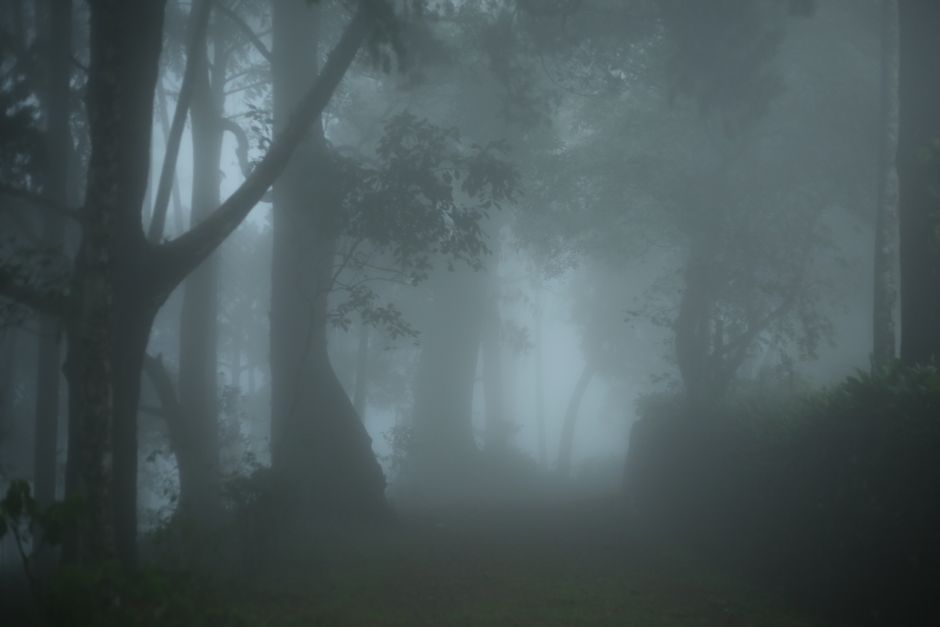
According to the folklore, tikbalang inhabit remote mountains, forests, and thickets rarely disturbed by people. Its signature trick, as the story goes, is leading travelers astray: a hiker on a familiar path suddenly finds themselves walking in circles, unable to locate a trail they've walked dozens of times before — a disorientation Filipino folklore attributes to unseen forest spirits, of which the tikbalang is the best known.
Filipino oral tradition offers several countermeasures, recorded independently across regions, suggesting a genuinely widespread belief rather than a single source: wearing one's shirt inside out is said to confuse the creature and break its spell; saying “tabi tabi po” — roughly “excuse me, please,” addressed to whatever unseen being may be present — before entering dense brush is described as a way to avoid provoking it; and in some regional tellings, a tikbalang can supposedly be tamed as a steed if a person plucks three golden hairs from its mane, though that version is far less consistently documented than the wayward-traveler story.
Some tellings also connect the tikbalang to the aswang tradition, or describe it shapeshifting into a handsome man to lure women, though this crossover is inconsistently reported and varies by region. For the aswang's own overlapping mythology, see our full profile: Aswang: The True Story Behind the Philippines’ Most Feared Creature.
What's Actually Verifiable
No physical evidence supports the tikbalang as a literal creature, and no documented case attributes a disappearance or a traveler's confusion to a confirmed encounter with one. What is verifiable is the folklore record itself: the tikbalang is one of the most consistently documented nature spirits in Philippine oral tradition, appearing across multiple regions with a recognizable core description — horse head, long limbs, forest habitat, disorientation trick — that has stayed stable across generations of retelling. The specific historical mechanism behind the creature's origin — a Hayagriva-linked import, a purely indigenous figure reshaped by colonial-era demonization, or some combination — remains a matter of scholarly discussion, and we could not verify one uncontested origin account.
Cultural Significance Today
The tikbalang remains a fixture of Filipino popular culture, appearing in films, television series, comics, and school textbooks introducing children to pre-colonial mythology. In parts of rural Luzon, the practice of asking forest spirits for permission before entering dense woodland is still observed by some residents today, folded into everyday courtesy toward the land rather than active fear of a specific monster. Scholars of Philippine mythology frequently cite the tikbalang, alongside the aswang, as one of the clearest surviving examples of how pre-colonial animist belief persisted — reshaped, but not erased — through centuries of colonial rule.
Frequently Asked Questions
What does a Tikbalang look like, according to the legend?
A tall, bony, bipedal creature with a horse's head and hooves and disproportionately long limbs, said to inhabit remote mountains and forests across the Philippines.
How do you supposedly ward off a Tikbalang?
Filipino oral tradition holds that turning your shirt inside out breaks its disorientation trick, and saying “tabi tabi po” (a polite request for passage) before entering dense forest is said to avoid provoking it.
Is the Tikbalang related to the Aswang?
They're generally treated as distinct figures in Philippine folklore — the aswang is documented as a shapeshifting, blood- or flesh-seeking creature, while the tikbalang is a forest-dwelling trickster spirit — though some regional tellings do describe overlap or crossover between the two.
Where does the Tikbalang legend come from?
Folklorists generally trace it to the pre-colonial period, describing a possible fusion of indigenous Philippine animist belief with Hindu-Malayan cultural influence, sometimes linked to the horse-headed Hindu figure Hayagriva — though this connection is a proposed theory rather than a documented certainty.
Can a Tikbalang be tamed?
Some regional versions of the legend claim a person who plucks three golden hairs from its mane can control it and use it as a steed, though this telling is less consistently documented than the wayward-traveler story.
Is the Tikbalang still part of Filipino culture today?
Yes. It remains a widely recognized figure in Philippine media and folklore education, and some rural communities still observe forest-entry customs, like asking permission before entering dense woodland, that are tied to tikbalang and related nature-spirit beliefs.
Learn More
- Books on Philippine mythology and folklore
- Philippine mythical creatures guides
- Southeast Asian folklore collections
As an Amazon Associate, this site earns from qualifying purchases.

Comments