This article contains affiliate links. If you buy through them, we may earn a commission at no extra cost to you.
The White Lady of Balete Drive is arguably the single most recognizable ghost in Philippine popular culture — and unusually for this genre, there's a specific, published claim tracing exactly how the legend was constructed, not just where it supposedly began.
The Legend
According to the most common version, a teenage girl was run over and killed by a taxi driver one night on Balete Drive in Quezon City, sometime in the 1950s or 1960s, and was buried near one of the street's large balete trees. Her spirit, the story goes, has haunted taxi drivers along the street ever since — appearing suddenly in the road, sometimes climbing into the back seat of a car only to vanish before the driver reaches their destination. A separate, darker variation describes a University of the Philippines student who was assaulted and killed by a taxi driver, her spirit searching the street for her attacker specifically.
Where the Legend Actually Comes From
This is where Balete Drive's story becomes genuinely unusual. According to a 2021 opinion piece by former Presidential Press Secretary Buddy Gomez, a former Calbayog city prosecutor's office lawyer named Deogracias Ortega claimed the entire White Lady legend originated as an embellished 1952 magazine article — and that the real underlying accident happened on a different street entirely, Eulogio Rodriguez Sr. Avenue (formerly España Extension), in 1949. According to this account, Ortega and friends, including a woman named Leni Garchitorena, were on a joyride when an accident occurred; Garchitorena, who was driving, was the only person to suffer fatal injuries.
If this account is accurate, the White Lady's connection to Balete Drive specifically — the taxi driver, the balete tree burial, the decades of haunted-street reputation — would be a case of a real (though different) tragedy being relocated and reshaped by a magazine writer into what became one of the country's most enduring urban legends. We present this as one documented claim about the legend's origin, not as fully settled fact, since we could not independently verify Ortega's account beyond the cited opinion piece.
Why Balete Trees Specifically
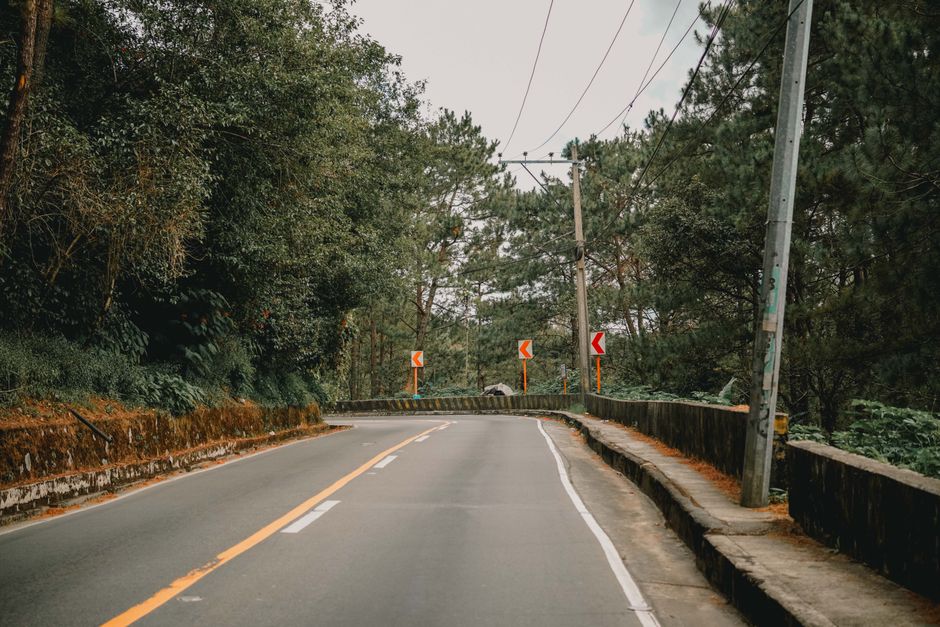
Independent of the taxi-driver story's disputed origin, the choice of setting is culturally meaningful on its own terms. In Philippine folklore, balete trees are widely believed to serve as dwelling places for spirits and mysterious creatures — a genuine, well-documented piece of Filipino folk belief, separate from this specific legend. Historically, Balete Drive was also lined with large, overhanging balete trees that darkened the street considerably, giving it a frightening atmosphere for Manila residents independent of any ghost story attached to it.
Cultural Significance Today
Regardless of its disputed origins, the White Lady of Balete Drive has become one of the most internationally recognized Philippine urban legends, referenced in horror films, television, and decades of retelling. Its documented (and disputed) construction from a real but relocated 1949 accident makes it a useful case study in exactly the kind of process by which a specific tragedy can be reshaped by media retelling into a completely different, more dramatic legend.
Can You Visit?
Balete Drive remains a real street in Quezon City, now considerably more developed and less overgrown than the version described in the legend's mid-20th-century setting. Visitors interested in the legend's history should approach it as a case study in how urban legends form and spread as much as a ghost story to fear.
Frequently Asked Questions
Is there real evidence the White Lady legend was fabricated?
A 2021 opinion piece cites a claim that the entire legend originated as an embellished 1952 magazine article — a notable, specific claim about the legend’s construction, though it comes from a secondhand account rather than the original article itself.
Are there multiple versions of the White Lady story?
Yes — one version describes a teenage accident victim, while a separate, darker variation describes an assaulted university student, and neither has been independently confirmed.
Ghost-Hunting Gear & Further Reading
As an Amazon Associate, this site earns from qualifying purchases.

Comments