This article contains affiliate links. If you buy through them, we may earn a commission at no extra cost to you.
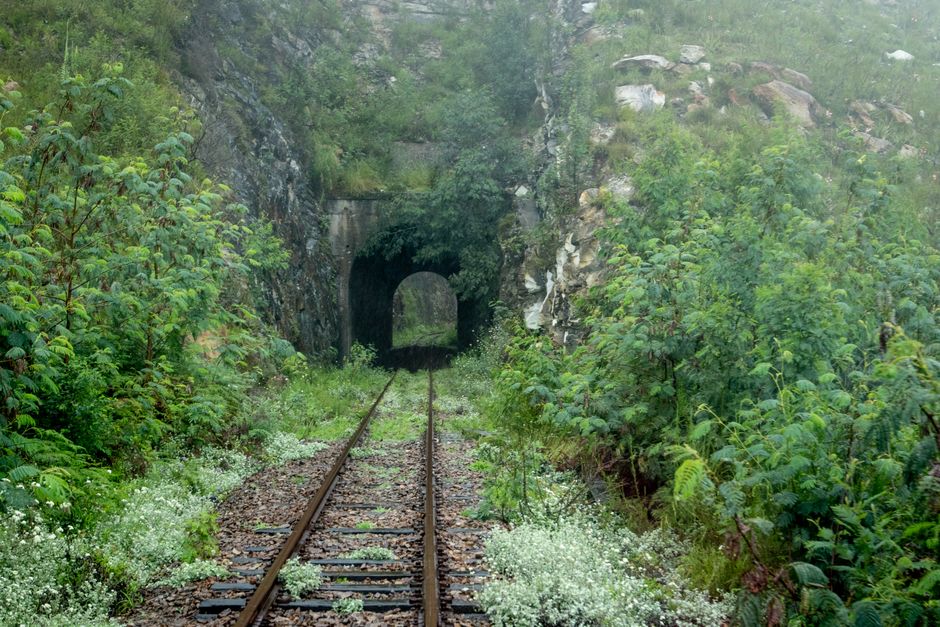
In the Arakawa area of Chichibu City, Saitama Prefecture, a narrow mountain tunnel known locally by two names — Arakawa Tunnel and its formal name, Futakami Tunnel (双神トンネル) — has built a haunted reputation less around one dramatic story than around the sheer physical unease of driving through it.
- Verified History
- The Legend
- What's Actually Verifiable
- Can You Visit?
- Why the Physical Design Matters Here
- Part of a Wider Pattern: Haunted Tunnels Across Japan
- Frequently Asked Questions
- Why does Arakawa Tunnel have two names?
- Are the handprints on car windows a documented phenomenon?
- Did people really die building this tunnel?
- Why are so many tunnels in Japan considered haunted?
- Is Japan considered a haunted country?
- What makes an abandoned tunnel a likely setting for a ghost story in Japan?
- Ghost-Hunting Gear & Further Reading
- Related Stories
Verified History
Futakami Tunnel is a documented, real structure on Prefectural Route 37, completed in 1943 and measuring roughly 110 meters in length. Its narrow width is a genuine physical characteristic, not an exaggeration — the tunnel is tight enough that oncoming vehicles have difficulty passing each other, a real driving hazard independent of any ghost story.
The Legend
Local retellings describe several distinct reported phenomena. The most commonly cited is the appearance of handprints on car windows for drivers passing through at night. Others describe hearing footsteps behind them while walking through alone, or a sense of being pursued by something unseen — despite no one else being present. Locals attribute these experiences to the tunnel's construction period, which is said to have involved frequent accidents and multiple casualties, though we could not verify a specific documented incident or named victim behind this claim.
What's Actually Verifiable
The tunnel's 1943 completion date, its formal name, and its physically narrow, tension-inducing design are all consistent, verifiable details across the sources describing it. The specific construction-era casualties and the individual paranormal reports (handprints, footsteps, pursuit) remain undocumented beyond local retellings and Japanese paranormal-interest websites — no news archive or official record confirms them.
Can You Visit?
Yes — it's an active tunnel on a public prefectural road. Given its genuinely narrow width, visitors should treat it with the same caution as any real single-lane-equivalent mountain passage, regardless of the ghost story.
Why the Physical Design Matters Here
Unlike many haunted-tunnel legends that lean entirely on invented backstory, Arakawa Tunnel's reputation is unusual for how much of it traces directly to the structure itself. A tunnel narrow enough to make passing another car genuinely difficult creates real, ordinary tension for every driver who uses it — tension that predates and doesn't require any ghost story to explain. That may be part of why the handprint and footstep reports have persisted locally: the physical experience of driving through already primes visitors to notice anything unusual.
Part of a Wider Pattern: Haunted Tunnels Across Japan
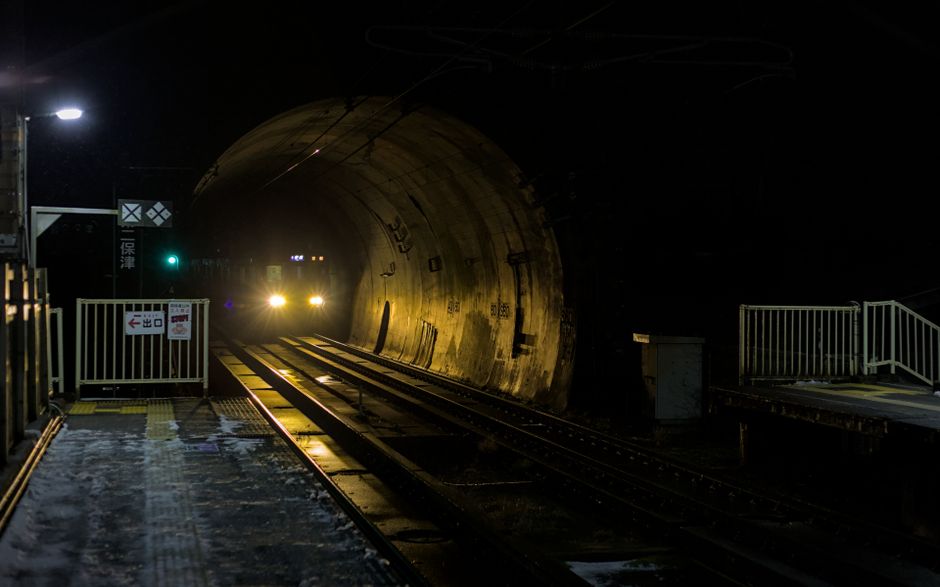
Arakawa Tunnel is one of dozens of similar sites documented across this site, and it fits a recognizable pattern rather than standing alone. Roughly three-quarters of Japan’s land area is mountainous, which has required over a century of tunnel construction, and older bores are typically sealed or abandoned rather than demolished once a wider, better-lit replacement opens nearby. Those abandoned alignments — not the tunnels still in daily use — are where the folklore tends to concentrate: narrow, unlit, and left to decay in a way that reads as ominous even when the underlying cause is a routine highway upgrade. Japan’s long kaidan (ghost story) storytelling tradition, which attaches spirits to liminal spaces such as tunnels, bridges, and mountain passes, gives these sites a ready-made narrative frame. For the full picture across every location documented on this site, see our complete guide to haunted tunnels of Japan.
Frequently Asked Questions
Why does Arakawa Tunnel have two names?
Its formal name is Futakami Tunnel (双神トンネル), while “Arakawa Tunnel” refers to the surrounding Arakawa area of Chichibu City where it's located — both names are used interchangeably in local sources.
Are the handprints on car windows a documented phenomenon?
No — this is a widely repeated local report, not something independently verified through photographic or investigative evidence.
Did people really die building this tunnel?
We could not verify specific construction-era casualties against a documented record — this remains a claim repeated in local legend rather than confirmed history.
Why are so many tunnels in Japan considered haunted?
Japan’s mountainous terrain (roughly three-quarters of the country) has required over a century of tunnel construction, and old bores are typically abandoned rather than removed once a newer route opens nearby. Combined with a long kaidan (ghost story) tradition of attaching spirits to liminal spaces, these abandoned tunnels became natural settings for local ghost stories.
Is Japan considered a haunted country?
Japan has one of the world’s richest documented traditions of ghost stories and haunted-location folklore, built up over centuries through kaidan storytelling, yokai folklore, and site-specific legends attached to tunnels, forests, and other liminal places. That reflects a deep cultural and narrative tradition — not a verifiable claim about supernatural activity.
What makes an abandoned tunnel a likely setting for a ghost story in Japan?
Age, disuse, and physical decay do most of the work: a dark, damp, overgrown structure that once carried traffic and now carries none reads as unsettling on its own, independent of any specific incident. As with Arakawa Tunnel, the underlying history is often more mundane — a routine bypass or road realignment — than the legend suggests.
Pin this for later
Ghost-Hunting Gear & Further Reading
- EMF Meter — the standard tool used on most paranormal investigations
- Full-spectrum flashlight — useful for photography in unlit or abandoned locations
- Japan's Haunted Tunnels — for more real and legendary stories like this one
As an Amazon Associate, this site earns from qualifying purchases.
Comments