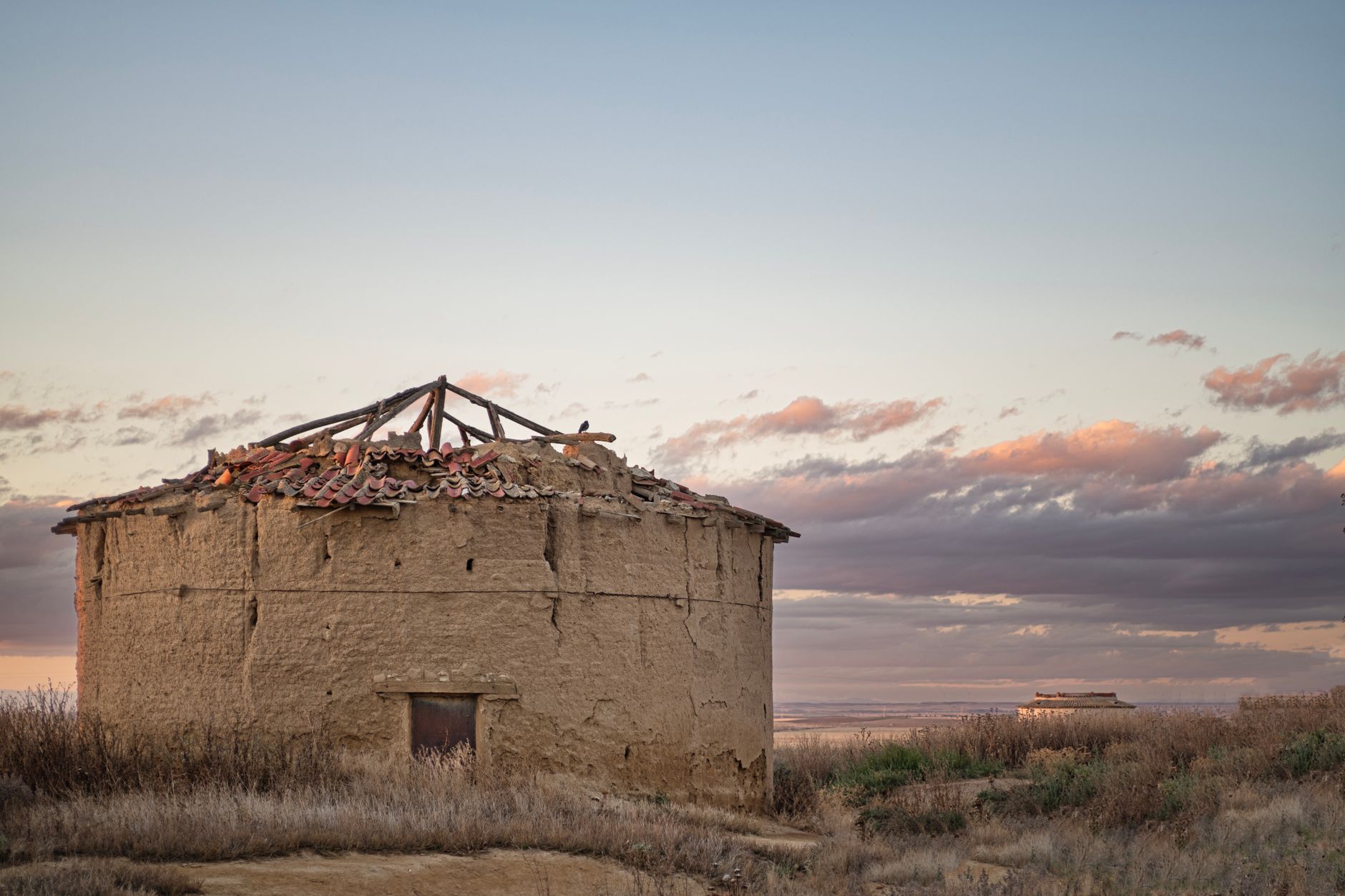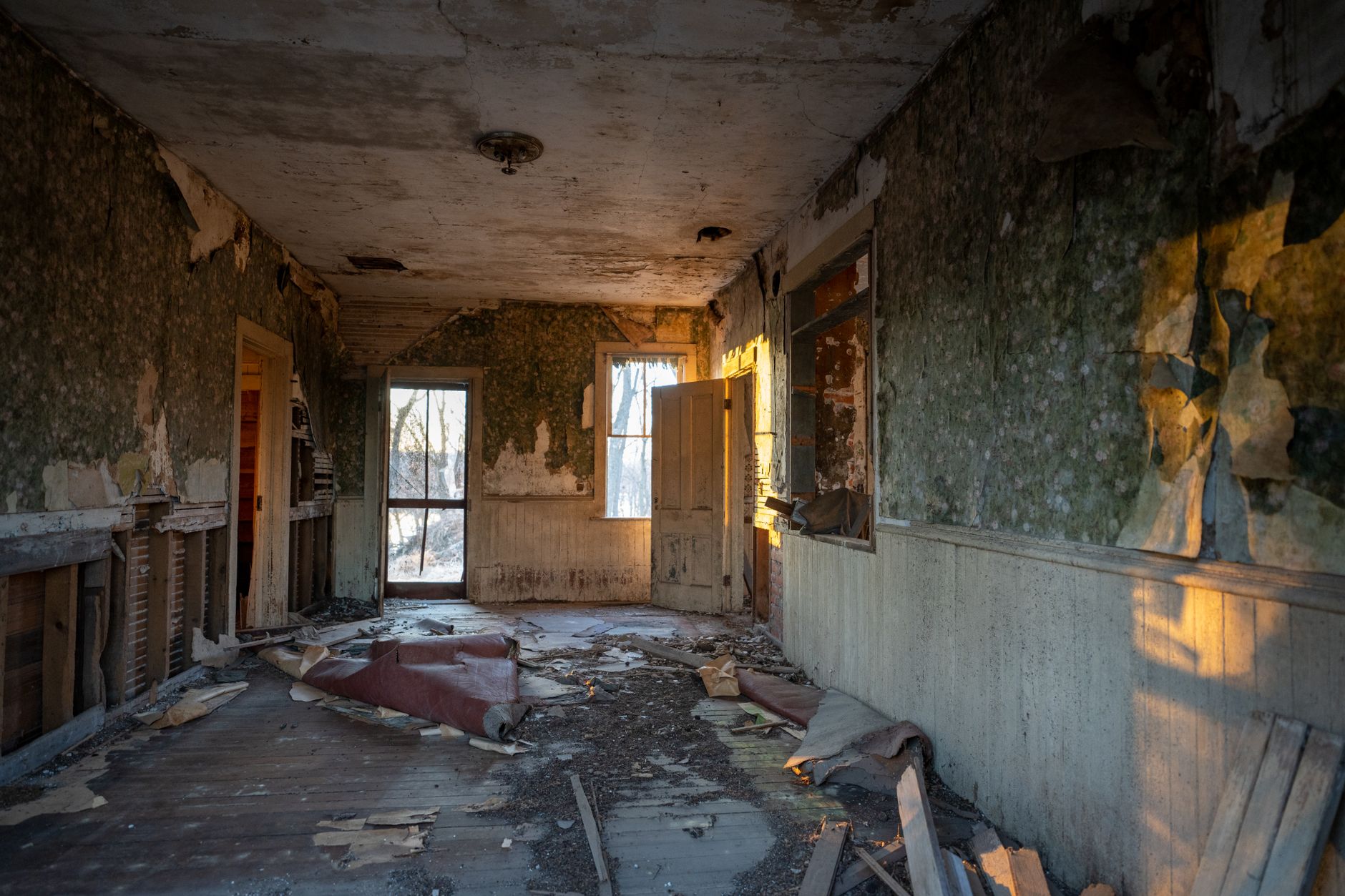
The zashiki-warashi is a child-like house spirit from the folklore of Japan’s Tohoku region, above all Iwate Prefecture. Accounts describe it as a child of roughly three to fifteen, often red-faced, that lives in the inner rooms or storehouses of old houses. According to tradition, a household that hosts one prospers, and a household it leaves declines. The best-documented accounts, including the Tono Monogatari zashiki-warashi episodes, come from Yanagita Kunio’s Tono Monogatari (1910) and from the field surveys of Sasaki Kizen. Many of the details people repeat online today are later additions.
What the written record shows
The key early source is Tono Monogatari (Tales of Tono), published in 1910 by Yanagita Kunio. Yanagita wrote down stories told to him by Sasaki Kizen, a young man from Tono. Episodes 17 to 19 deal with the zashiki-warashi, and a later supplement carries more. This is a documented text, though it records what villagers said, not what anyone verified.
In these episodes the spirit is usually a child of about twelve or thirteen. One passage describes a daughter home on a visit who meets a boy in a corridor. Another describes a woman alone in a house who hears paper rustling and sniffing in the master’s empty room, with no one there. These are oral reports, and the book gives no way to check them.
Sasaki Kizen later made a more systematic record in his 1920 book on the zashiki-warashi of Oshu. His work is useful because it shows the tradition varied from village to village.
How it is described
The following details are reported in the folklore literature. They are oral tradition, not documented fact.
- Appearance: a red face, short or bobbed hair, and a red vest or kosode for girls. Some accounts say a boy, some a girl, and some say the gender cannot be told.
- Behaviour: small footprints left in ash, spinning-wheel sounds at night, and pranks on sleepers such as turning pillows or sitting on someone’s bedding.
- Names: the spirit goes by many local names, including kura-warashi (storehouse child) and zashiki-bokko.
- Fortune: a spirit’s presence signals prosperity and its leaving signals decline. Some regions treat a white one as a good sign and a red one as a sign of departure.
Sasaki’s regional notes give examples. In the Morioka area, storehouses of wealthy families were said to hold a beautiful child in a red kosode. In Iwaizumi, a carpenter was said to be able to bury a small carved doll under a parlour floor to summon one, which was taken as a reason not to mistreat carpenters. Sasaki also suggested that some of these spirits might be remembered children who died at home. That was his interpretation, not a record of an event.
The story of the departing spirits
One Tono Monogatari episode shows the belief in its harshest form. Two girl spirits were said to live in a prosperous house in Yamaguchi. A villager reportedly met them on the road and was told they were leaving for another family. Soon afterward, more than twenty members of the household were said to have died after eating poisonous mushrooms, and only a seven-year-old girl survived. We could not verify this event independently. It is a recorded local tale, and it reads as a cautionary story about fortune and loss.
Kinship with other house spirits
Household guardians appear across cultures. Compare the Russian domovoi and the Scandinavian nisse and tomte. Tono is also the region tied to the kappa in Japanese folklore. For the wider tradition, see our guide to Japanese yokai. The zashiki-warashi is usually a household presence, not a threat. A modern child-spirit story is the Hanako-san toilet ghost, which belongs to school legends, a different setting entirely.
What is modern
To keep the layers separate:
- Documented: the 1910 Tono Monogatari, and the 1920 book by Sasaki Kizen.
- Oral tradition: the red face, the pranks, the link to fortune, and the regional names.
- Modern: viral videos and photos claimed to show one, and tourism marketing. We could not verify any of the video claims we found.
Can you visit
The Tono area in Iwate is open to visitors and has folklore museums and sites tied to Tono Monogatari. Ryokufuso, an inn at Kindaichi Onsen in Ninohe, Iwate, is marketed as a zashiki-warashi inn, and its tradition names a spirit called Kamemaro. The inn is reported to have been destroyed by fire in 2009 and rebuilt, reopening in 2016. We could not confirm those details from a primary source. Check the inn’s own site for current status before you plan a visit. A stay there is a cultural experience, and no sighting is promised.
Cultural significance today
The zashiki-warashi remains a living part of Tohoku’s cultural heritage. It appears in folklore studies, local tourism, and popular media. It reflects an older rural view of the household as a place with a moral and economic life of its own, where good fortune was treated as something that could leave a home. It deserves to be read as that heritage, not as a monster story.
Learn More
As an Amazon Associate, this site earns from qualifying purchases.