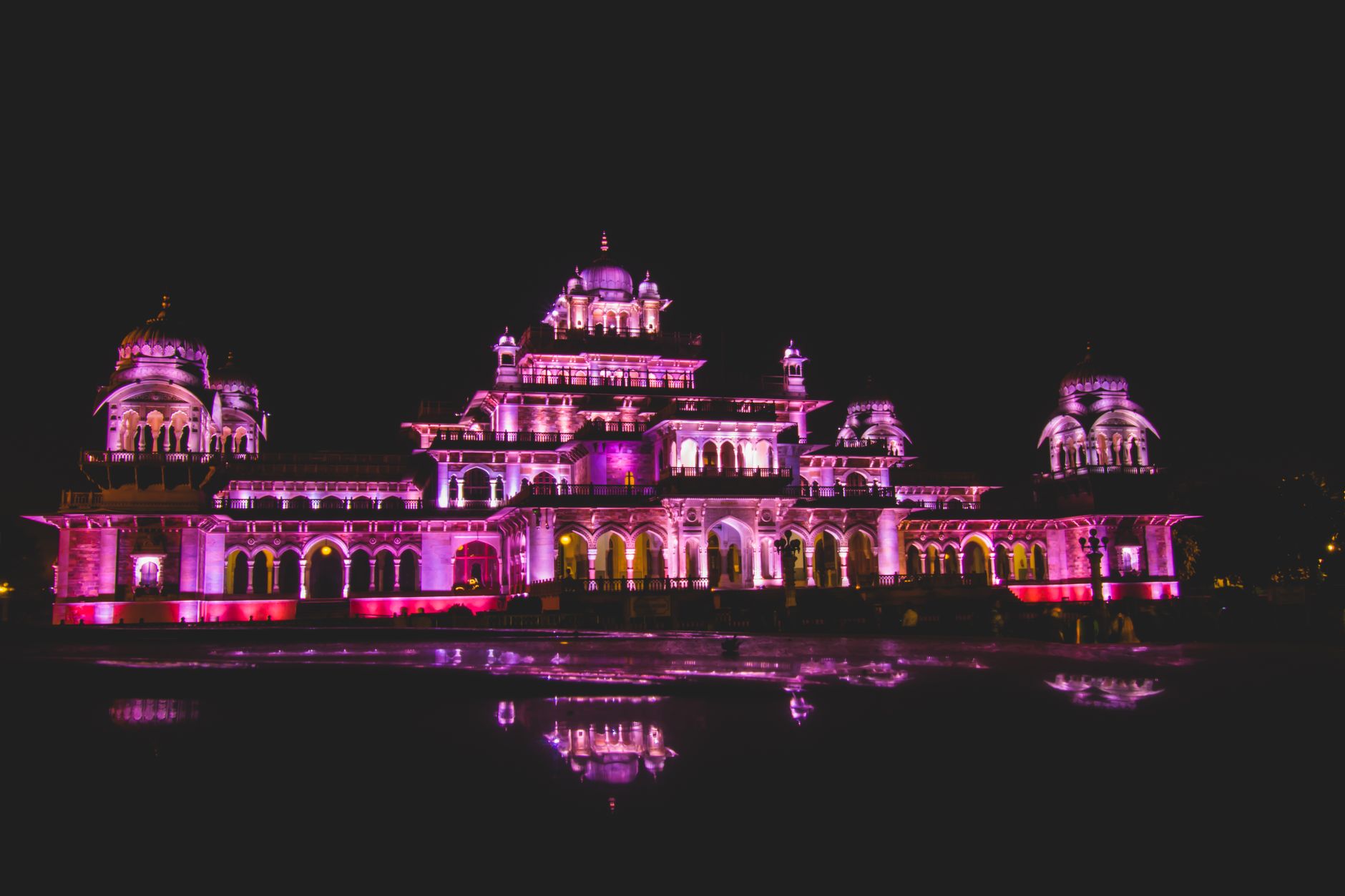
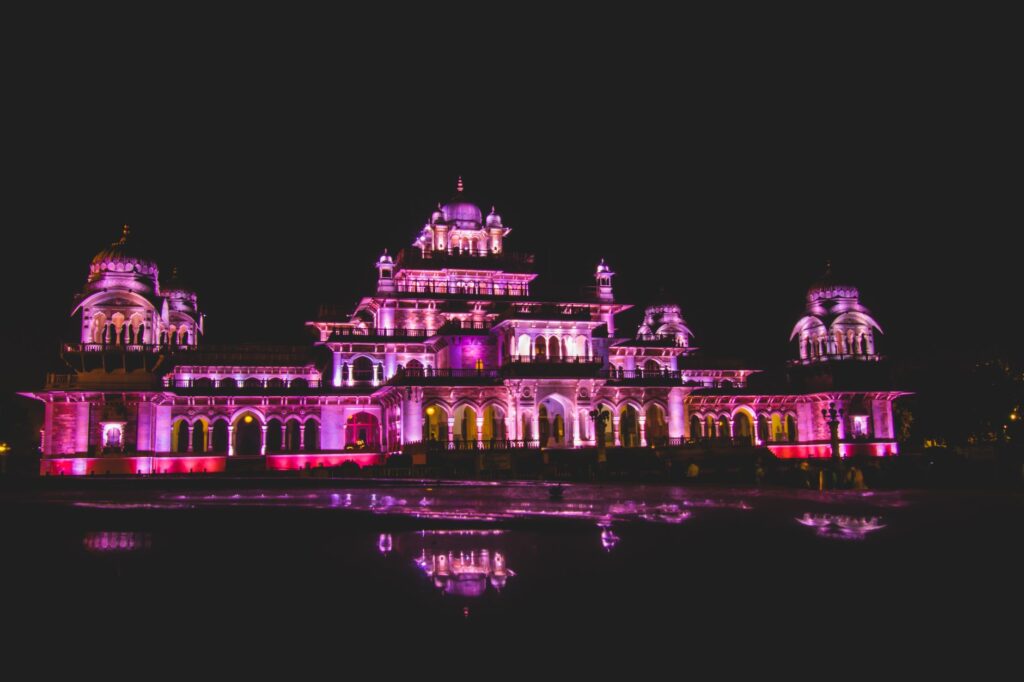
The pink stone catches the light differently at dusk. That's the first thing most visitors notice about Mohatta Palace, sitting on Karachi's Clifton Road with its onion domes and carved balconies looking more like a Rajasthani fort than anything else on the coastline. It was never supposed to become a museum, let alone a ghost story. It was supposed to be a cure.
A Palace Built as Medicine
Rai Bahadur Seth Shivratan Mohatta, a Hindu trader from Marwar, commissioned the building in 1927 as a seaside retreat for his ailing wife, whose doctors had recommended Karachi's moist sea air for her health. He hired the Muslim architect Agha Ahmed Hussain, who fused Rajasthani stonework with Mughal arches and Italian marble flooring, shipping in pink and yellow Jodhpur sandstone by rail and sea. The result took roughly a decade to finish, and by most accounts Mohatta and his family used it only briefly. Partition arrived in 1947, and like thousands of other Hindu and Sikh families, the Mohattas left for India, abandoning the house they'd built as an act of devotion.
What happened next is well documented. The Pakistani government took over the property and used it as the Foreign Ministry's offices for over a decade. In the 1960s, it became the residence of Fatima Jinnah, sister of the country's founder Muhammad Ali Jinnah, who lived there until her death in 1967. The building then sat largely unused for nearly three decades before the Sindh government restored it and opened it as a public art and cultural museum in 1999, which is what it remains today.
The Stories That Grew in the Empty Years
It's those unused decades — the palace standing shuttered between residents — that seem to have given the haunting its shape. Karachi has no shortage of ghost lore; the same folklore currents that produced the backward-footed chudail said to haunt lonely roads elsewhere in Pakistan, or the vengeful churel figure told about across South Asia, found their way into stories about the palace too. Locals say a British woman in white has been seen crossing the upper balconies at night, though no one agrees on who she was supposed to be or why she stayed behind after Partition. A separate version of the story holds that Mohatta's wife, the one the house was built for, took her own life by jumping from that same balcony after learning of her husband's infidelity — a claim that doesn't appear in any biographical account of the family and looks more like an explanation invented after the fact to give the haunting a face.
Museum staff have their own version of events, and it leans toward the mundane. Guards on night duty have reported hearing what sounded like a party in progress — music, glasses, voices — only to find the galleries empty and silent when they went to check. Others describe exhibits appearing slightly rearranged by morning. A Mohatta Palace board member has publicly pushed back on the paranormal reading of all this, suggesting the sounds are more likely an effect of the building's stone corridors and the sea wind that comes off Clifton at night, and pointing out that generations of guards trading the same stories doesn't amount to evidence. We could not verify any of the specific ghost sightings independently, and no contemporary written account from the Mohatta family era mentions a haunting — the stories appear to date from decades later, after the building had already passed through government hands and long stretches of vacancy.
Frequently Asked Questions
Is Mohatta Palace actually haunted?
There's no verified evidence of paranormal activity. What exists are recurring accounts from museum guards and Karachi residents, alongside an official denial from museum management, who attribute the reported sounds to acoustics and coastal wind.
Can you visit Mohatta Palace?
Yes. It operates as a public museum in Karachi's Clifton neighborhood, with rotating art exhibitions alongside its permanent architectural displays, and is open to visitors during standard museum hours.
Why did the Mohatta family leave the palace?
The family left in 1947 during Partition, when many Hindu and Sikh families relocated to India amid the mass population exchange that followed independence. The property was subsequently taken over by the Pakistani state.
Who else lived in the palace besides the Mohattas?
Pakistan's Foreign Ministry used it as office space for years, and Fatima Jinnah, sister of Muhammad Ali Jinnah, made it her residence in the 1960s until she died there in 1967.
This account draws on the palace's documented ownership history; details of the ghost sightings themselves come from local reporting and cannot be independently confirmed.