- Native
- жезтырнақ
- Type
- Oral Tradition / Shapeshifting Demon
- Region
- Central Asian steppe
- Verification
- Oral tradition
Zheztyrnak — жезтырнақ in Kazakh, literally “copper claw” — is the shapeshifting demon of the Kazakh steppe who appears to lone hunters as a beautiful woman and kills them with blades of metal fused into her own hands. She has no single hometown and no recorded first sighting; she belongs to the oral tradition of Kazakh (and, under other names, Kyrgyz, Tuvan, and Buryat) nomadic herders, passed down for generations before anyone wrote her down. That's the core of it: a predator disguised as a woman, hunting the men who hunt alone.
What Is Zheztyrnak?
In the stories, Zheztyrnak (also transliterated Jeztyrnaq, or jez tyrmak/jez tumshuk — “brass nose” — among the Kyrgyz) is not a ghost or a spirit summoned by wrongdoing, the way many East Asian legends work. She's older than that, closer to a nature demon: a being who lives in the empty mountains and deserts where “no man had ever set foot,” according to the way the story is usually framed.
Descriptions vary by teller and region, which is normal for a legend with no single written source. Common threads: she appears first as an ordinary, attractive young woman, sometimes in a blue dress, sometimes described as unusually tall and dark-skinned, with clothing or jewelry that jingles as she moves. The disguise never survives contact for long. Underneath it, her hands are wrong — palms the color of blue-gray iron, and fingers ending not in nails but in claws of copper, brass, iron, or (in some versions) gold, sharp as spear points or knife blades. She can kill birds and small animals outright with her scream.
The Legend: How Zheztyrnak Hunts
The classic version of the story follows a hunter who has wandered too far from his camp or his companions, into territory nobody else travels. Isolation is the trigger — Zheztyrnak doesn't hunt in villages or among groups; she needs a man alone. She approaches his campfire at night as the beautiful stranger, and the danger is that by the time a hunter notices the claws, or the wrongness in her hands, it's already too late to run.
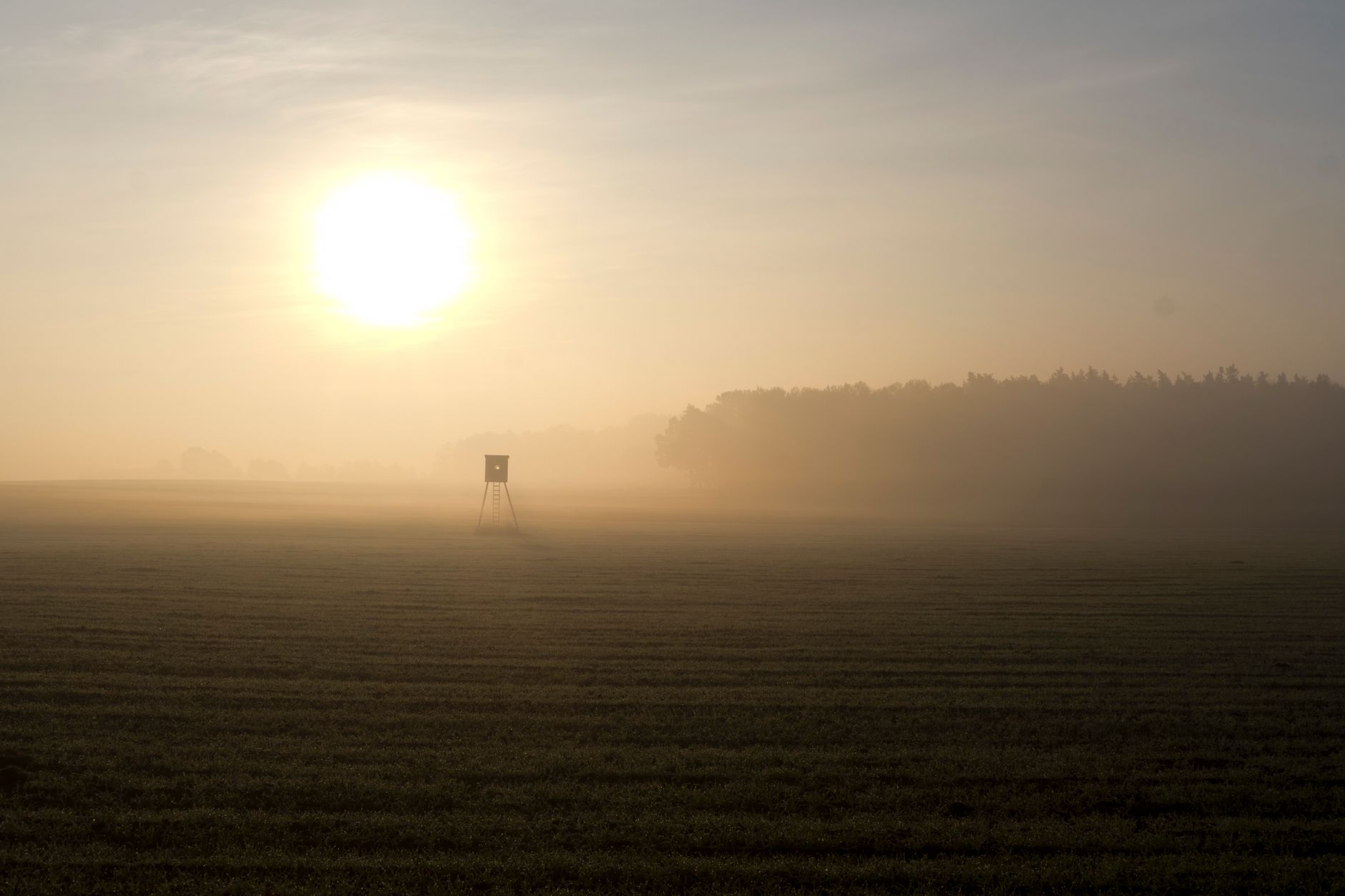
Some retellings frame her as a test as much as a threat — a figure who punishes carelessness, overconfidence, or wandering where a herder shouldn't. That reading fits the terrain the legend comes from: for nomadic hunters on the Central Asian steppe, going off alone into unmapped country was a real and practical danger long before any demon got blamed for it.
What's Actually Verifiable
No individual attack attributed to Zheztyrnak has ever been documented, investigated, or dated — this is oral folklore, not a police record or a newspaper account, and no single “first telling” survives to be checked. What can be verified is the folklore record itself: the Kazakh researcher Serikbol Qondybai catalogued Zheztyrnak in his Kazakh Mythology: A Concise Dictionary (2005) and his four-volume Arğyqazaq Mifologiyasy (2004), drawing on oral accounts collected from tradition-bearers including Talasbek Asemkulov. Qondybai's interpretation — that Zheztyrnak may descend from a much older Bronze Age figure, a “Mistress of Animals” comparable to the Greek Artemis, later blended with a "Patroness of the Smith's Craft" — is a scholarly reading of the myth's layers, not a claim that a copper-clawed demon was ever physically encountered.
The regional spread of near-identical figures is also documented: the Kyrgyz jez tyrmak, the Tuvan spirit chulbus, and the Buryat mu-shubun all share the same core shape — a solitary, metal-clawed predator of the wilderness — which is the kind of cross-cultural pattern folklorists expect from oral traditions that moved along the same nomadic trade and migration routes rather than one culture borrowing wholesale from another.
Regional Variants Across Central Asia
Zheztyrnak isn't Kazakh folklore's only steppe demon — Kazakhstan's better-known cannibal-witch figure, Zhalmauyz Kempir, comes from the same tradition but plays a different role, closer to a devouring crone than a seductive huntress. The “beautiful woman who lures a lone man to his death” shape itself isn't unique to Central Asia either; it shows up with different local logic in legends like La Diablesse in Trinidad, where a similarly disguised woman leads unfaithful or careless men off the road at night. The details differ — metal claws versus a cloven hoof, an empty steppe versus a Caribbean backroad — but the warning underneath is close to identical: don't follow a stranger alone into the dark.
FAQ
Is Zheztyrnak a real creature or purely folklore?
Purely folklore. There is no documented sighting, physical evidence, or investigated incident — Zheztyrnak exists in oral tradition and in the scholarly folklore record (notably Serikbol Qondybai's published research), not as a claimed real-world encounter.
What does the name Zheztyrnak mean?
“Zheztyrnak” (жезтырнақ) combines the Kazakh words for copper/brass (жез) and claw or nail (тырнақ) — “copper claw.” The Kyrgyz variant jez tyrmak means the same thing.
Where does the Zheztyrnak legend come from?
It comes from Kazakh oral tradition on the Central Asian steppe, with closely related demon figures recorded among the Kyrgyz, Tuvan, and Buryat peoples. No single origin point or date survives; it was passed down verbally for generations before folklorists began recording it.
Is Zheztyrnak related to Zhalmauyz Kempir?
They're both demons from Kazakh folklore but are distinct figures. Zhalmauyz Kempir is typically portrayed as a cannibalistic old witch, while Zheztyrnak appears as a young, beautiful woman whose disguise conceals metal claws. They aren't interchangeable versions of the same legend.
Has anyone claimed to actually encounter Zheztyrnak?
Not in any documented, dateable, or independently verifiable way. The stories exist as told folklore passed between generations of steppe communities, not as reported incidents with names, dates, or locations that can be checked.
Comments