

This article contains affiliate links. If you buy something through them, we may earn a small commission at no extra cost to you. We only link to books and products we think genuinely enrich the reading experience.
Kazakhstan's steppe folklore has gone almost untouched on this site, so we're starting with the figure who scared more children into staying near the fire than any other: Zhalmauyz Kempir, the devouring old woman. She is not a single ghost story. She's closer to what the Baba Yaga is to Slavic tales or what the wendigo is to Algonquian ones — a monster so foundational that nearly every Kazakh grandmother has a version of her ready.
Who Is Zhalmauyz Kempir
The name itself tells you what you're dealing with. “Zhalmauyz” translates roughly to “devourer,” and “kempir” means “old woman.” Put together, she is the Devouring Crone — and Kazakh oral tradition does not soften that description. She's usually pictured as an old woman, but a wrong one: seven heads instead of one, claws instead of fingernails, a single eye, hooves where feet should be. Researchers studying Turkic folklore have traced cousins of her across the region under names like Jelmogus and Jel Maja, which suggests she's older than any one telling of her.
What makes her stick in the memory isn't just the extra heads. It's the cauldron. In several versions of the tale, she captures travelers, chains them together, and boils them in a single enormous pot fitted with forty handles — stirring the pot herself while her victims wait their turn. Some tellings go further and give her a taste for blood on top of flesh, closer to a vampire than a simple ogre. She can also shift her shape, move with unnatural speed, and work magic when it suits her, which means the traveler who thinks they've spotted an ordinary old woman on the road has no real way to know until it's too late.
Not Pure Evil — Which Is the Unsettling Part
Here's where Zhalmauyz Kempir breaks from the tidy monster template. Unlike Albasty or Zheztyrnaq, two other witches of Kazakh legend who are villains from start to finish, Zhalmauyz Kempir occasionally helps the hero of a story instead of eating him. A wanderer might stumble into her yurt expecting death and instead receive advice, shelter, or a magical object that saves his life later in the tale.
That inconsistency is deliberate, and it's why storytellers kept reaching for Zhalmauyz Kempir generation after generation. A monster you can predict loses its teeth. A monster who might feed you or might eat you keeps you cautious around every stranger on the steppe, which is arguably the entire point of raising children on stories like this one in the first place. Zhalmauyz Kempir is less a fixed character than a warning shape — pull on the wrong thread of hospitality, or wander too far from camp, and you might meet either version of her.
The Modern Echo: Khankol's Roadside Ghost
Zhalmauyz Kempir belongs to fairy tale and folklore proper — old stories, retold and embellished over generations. But Kazakhstan has also produced something closer to a live urban legend, and it's worth telling separately so the two don't blur together.
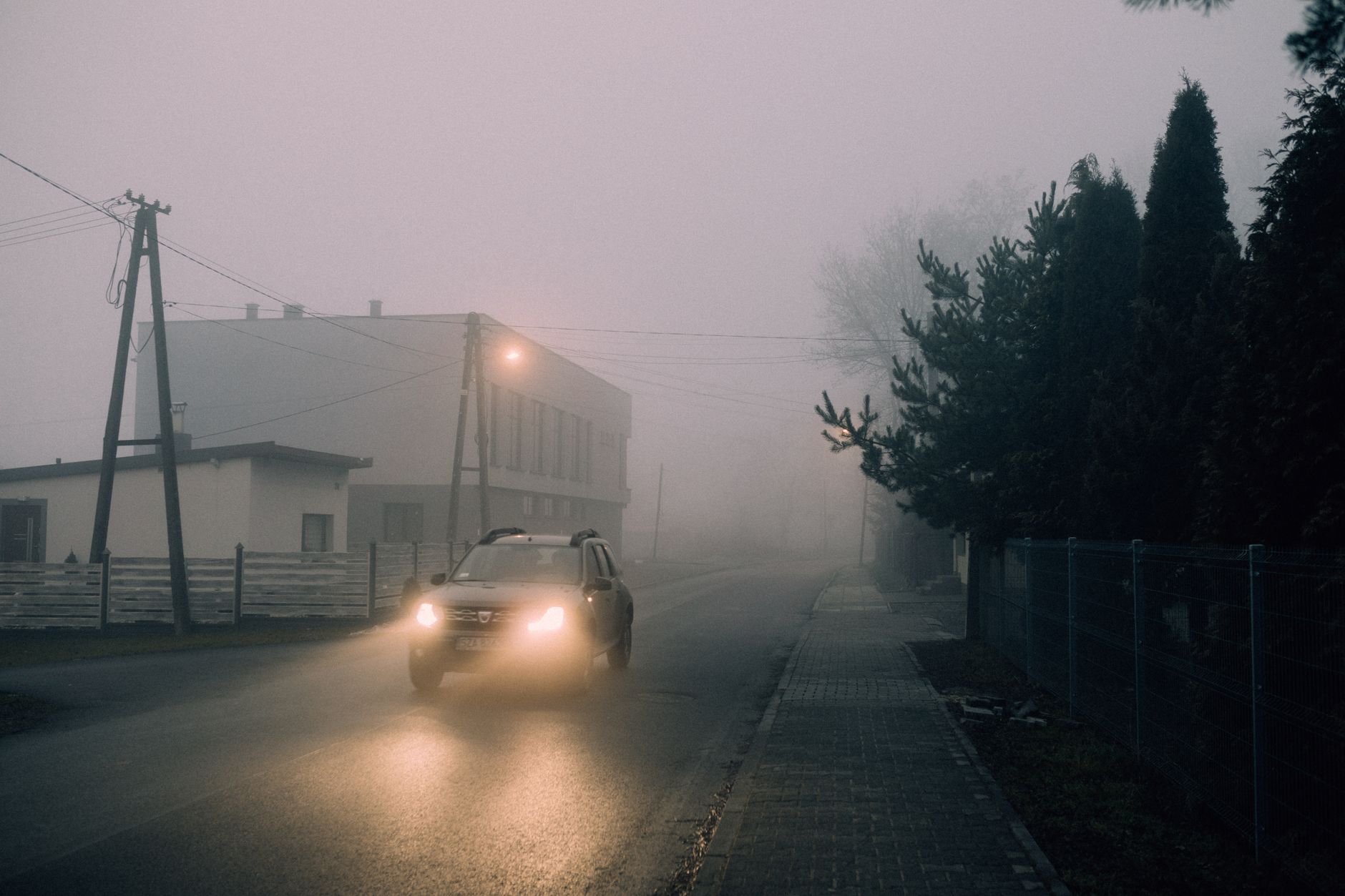
In November 2020, residents of the small village of Khankol, in the Karatobin district of West Kazakhstan, began reporting something walking their roads at night. According to a report from RFE/RL, locals described a woman with light-colored hair appearing near the settlement after dark, and several claimed she approached vehicles and rapped on the windows before vanishing. The story spread quickly enough that the regional governor, Gali Iskaliev, sent police out to investigate. His own read on the situation was blunter than the villagers': he suspected someone was playing a prank rather than anything supernatural.
Whatever the real explanation, the shape of the Khankol story is familiar to anyone who follows roadside ghost lore worldwide — the lonely stretch of road, the isolated village, the pale figure that shouldn't be there, the local authority publicly unconvinced while residents stay convinced anyway. It's a different genre entirely from Zhalmauyz Kempir. One is centuries-deep fable meant to teach a lesson. The other is a handful of frightened residents, a governor's shrug, and a news report from a single cold week in 2020. But both point at the same instinct: something out on the open steppe at night that a traveler should not trust.
Two Kazakh Fears, Two Different Ages
Put side by side, Zhalmauyz Kempir and the Khankol ghost make an interesting contrast. Zhalmauyz Kempir represents inherited fear, passed down and reshaped for centuries until she became a fixture of the culture, complicated enough to occasionally act kind. The Khankol ghost is fresh fear, barely a few years old, still unresolved, still just a woman on a road that officials say was probably a joke. Kazakhstan's folklore, in other words, isn't finished being written. It's still adding chapters.
Learn More
Readers who want to go deeper into Central Asian folklore and Turkic monster traditions may enjoy searching for collections on Kazakh and Central Asian fairy tales — a good starting point is Central Asian folklore and mythology books on Amazon. As an Amazon Associate, this site earns from qualifying purchases.

Comments