This article contains affiliate links. If you buy through them, we may earn a commission at no extra cost to you.
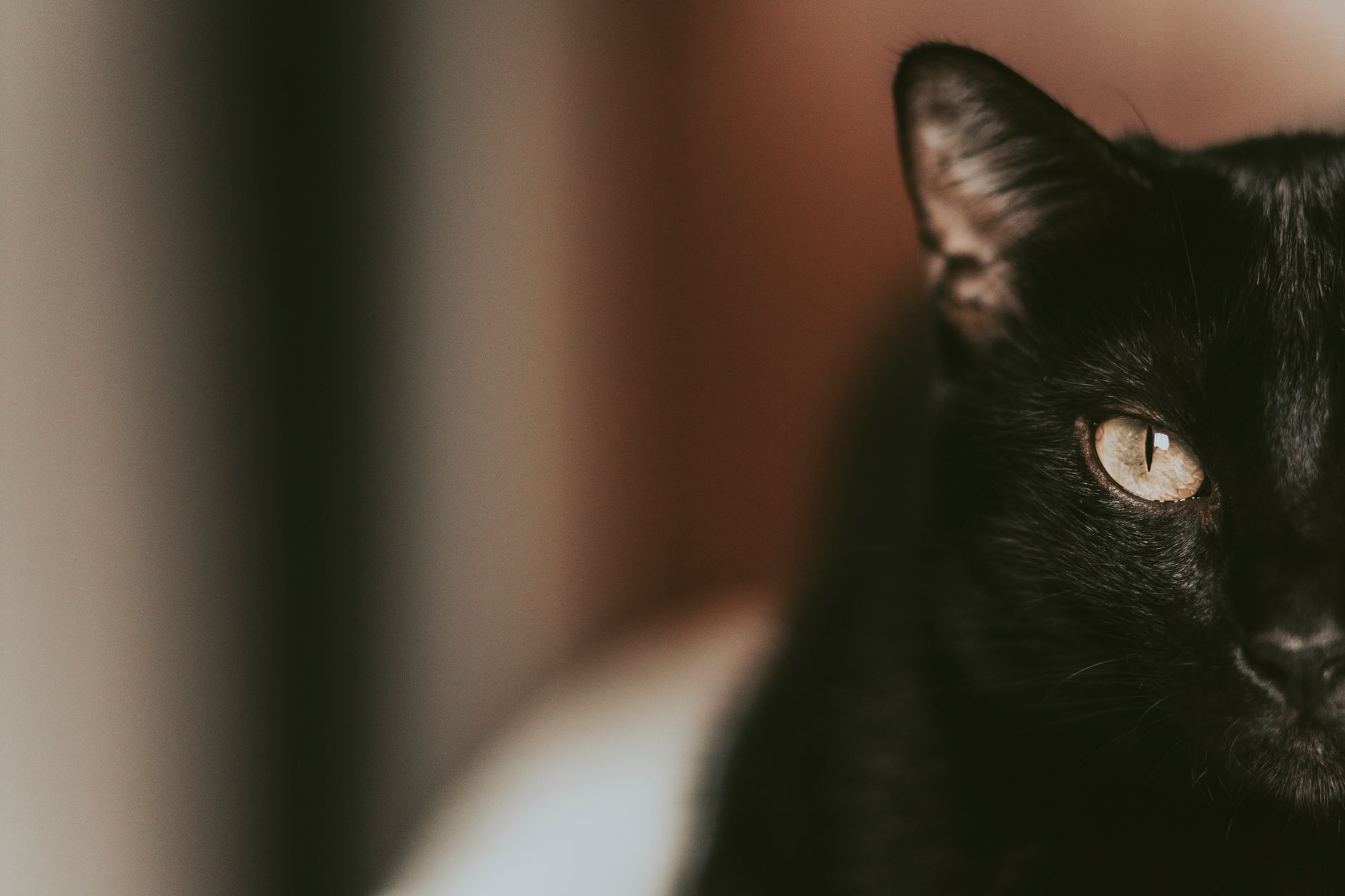
In most countries, showing up to a holiday party in last year's sweater is a fashion misdemeanor at worst. In Iceland, folklore once made it a capital offense. Jólakötturinn — the Yule Cat — is a house-sized black cat said to prowl the countryside on Christmas Eve, checking who received new clothes and eating everyone who didn't. It's one of the strangest entries in a Christmas folklore tradition that already includes a troll-witch and thirteen thieving brothers, and unlike most seasonal monsters, this one was built to solve a very specific, very practical problem.
What Exactly Is the Yule Cat?
The Yule Cat is described as enormous, fierce, and impossible to reason with. It doesn't care whether you were good or bad this year, and it isn't interested in cookies left out as a bribe. Its one test is clothing: on Christmas Eve, it looks in through windows and along farmhouse paths for anyone who hasn't received at least one new piece of clothing for the holiday. Whoever fails that test becomes its meal, in some retellings quite literally — earlier folk accounts have the cat eating people whole, while gentler modern versions soften it to stealing their unopened Christmas dinner instead.
A Member of Grýla's Household
Jólakötturinn isn't a lone monster wandering in from nowhere. By the mid-20th century, Icelandic tradition had folded the Yule Cat into the family of Grýla, the mountain-dwelling troll-witch, and her thirteen sons, the Yule Lads. The Yule Lads visit children on the thirteen nights before Christmas, leaving small gifts or rotten potatoes depending on behavior, and the Yule Cat rounds out the household as its terrifying pet — less a companion animal than an extension of the same fear-based parenting toolkit. It sits in the same folkloric neighborhood as Krampus, the Alpine punisher who accompanies Saint Nicholas, but the Yule Cat's test is narrower and stranger: it isn't judging morality, only wardrobes.
Where the Story Actually Comes From
The Yule Cat's documented history is shorter than its reputation suggests. Its first clear written mention appears in an 1862 folklore collection by Jón Árnason, a period when Icelandic scholars were racing to record oral traditions before they faded. The cat became a fixture of the wider Christmas cast because of one poem: “Jólakötturinn,” written in 1932 by Icelandic poet Jóhannes úr Kötlum for his collection Jólin koma (“Christmas Is Coming”). That poem is the version most Icelanders grew up hearing, and it's the reason the story has a fixed, memorable shape instead of the looser regional variations that plague older figures like Grýla.
The Real Point Was Wool, Not Fear
Strip away the horror and the Yule Cat is a labor-incentive story, and a fairly transparent one. Iceland's economy for centuries ran heavily on sheep and wool, and autumn was processing season — carding, spinning, and weaving had to be finished before winter closed in. Farm workers who finished their share of the wool by Christmas were traditionally rewarded with a new piece of clothing; those who slacked got nothing new to wear, which conveniently also marked them as the Yule Cat's next meal. The monster didn't punish laziness in the abstract. It punished a missed deadline in a specific, seasonal supply chain, which is a much more useful thing for a farming household to threaten than “be good.”
From Fireside Threat to Christmas Mascot
The Yule Cat hasn't stayed confined to bedtime stories. It shows up today as a public art piece in Reykjavík, where a giant lit-up cat sculpture appears on a hillside above the city each December, and it's become a minor commercial mascot — turning up on ornaments, plush toys, and clothing lines aimed at tourists who want a slightly darker souvenir than a snowman. That commercial afterlife is a little ironic, since the character's entire original purpose was to shame people into buying (or making) new clothes, and it now sells them instead. Icelanders still reference the custom of giving at least one new garment before Christmas Eve, even if nobody seriously expects the cat to check.
Related: Lagarfljót Worm: Iceland’s Lake Serpent and the Truth Committee.
Learn More
As an Amazon Associate, this site earns from qualifying purchases.
Frequently Asked Questions
Is the Yule Cat related to Krampus?
Not directly. They're independent traditions from different regions — the Yule Cat from Iceland, Krampus from the Alpine countries — but both function the same way: a frightening companion figure paired with a gift-giving season to enforce good behavior, in the Yule Cat's case specifically around finishing seasonal work.
Does the Yule Cat actually eat children?
In the oldest tellings, yes, without much nuance — it's described as eating whoever lacks new clothes. Modern retellings, especially ones aimed at kids, usually soften this to the cat stealing a person's Christmas food instead of the person themselves.
Why does new clothing protect you from the Yule Cat?
New clothes were historically proof that a household's wool work was finished on schedule. The Yule Cat's test wasn't really about fashion — it was a folkloric enforcement mechanism for meeting a seasonal wool-processing deadline central to Iceland's farm economy.
Who created the modern version of the Yule Cat story?
Icelandic poet Jóhannes úr Kötlum fixed the character's now-familiar shape in his 1932 poem “Jólakötturinn,” though the cat itself was already documented in Icelandic folklore collections as early as 1862.

Comments