This article contains affiliate links. If you buy through them, we may earn a commission at no extra cost to you.
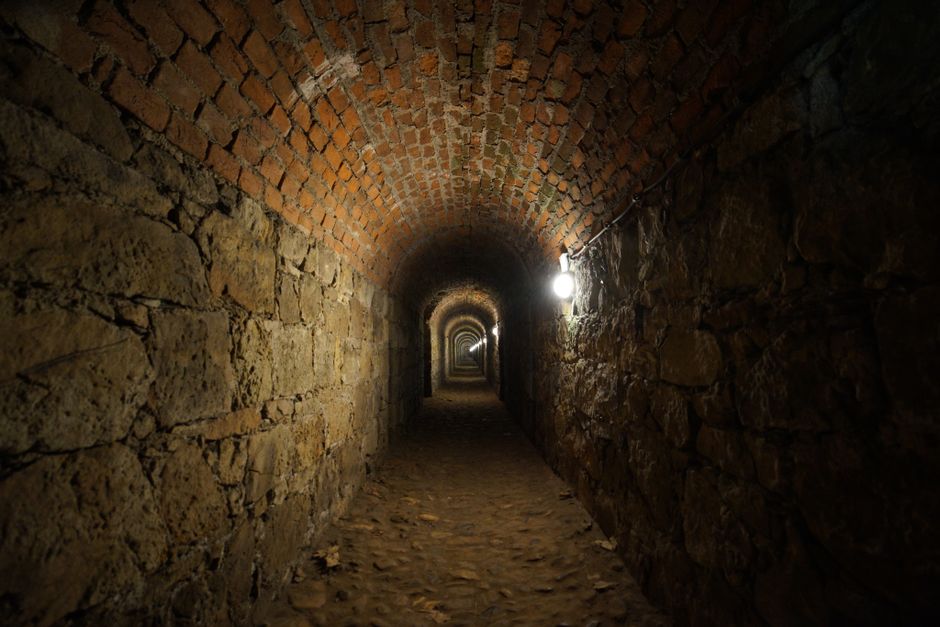
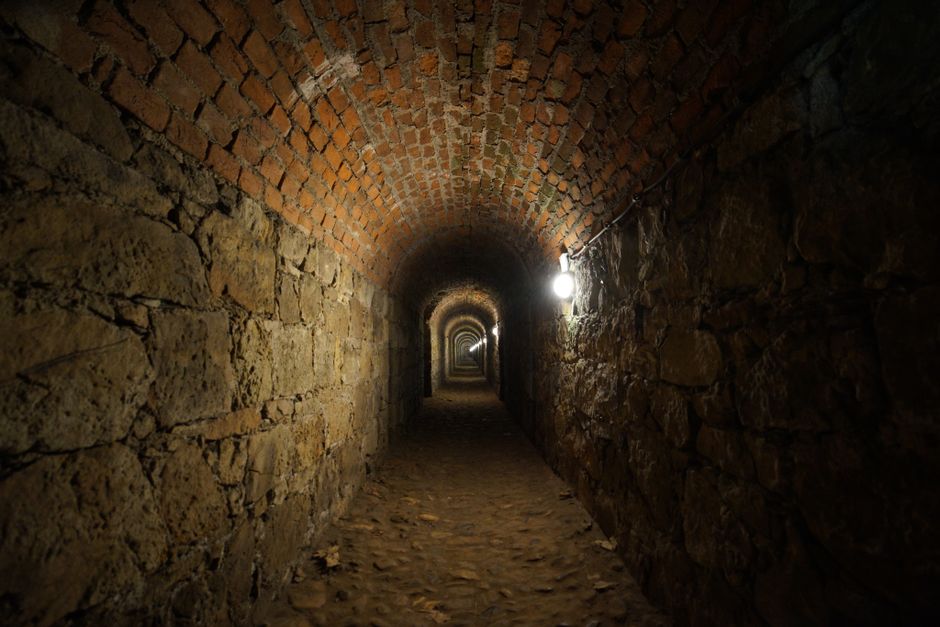
Tsurumai Tunnel, in the Tsuruma district of Ichihara City, Chiba Prefecture, is actually two structures: an older road tunnel that already appears on maps from the Meiji era, and a separate pedestrian tunnel built alongside it in 1985. The ghost story attached to the pair has less to do with samurai than with something quieter.
Correction: The Marching-Soldier Story Doesn’t Hold Up
An earlier version of this article described a legend of long-dead samurai marching through the tunnel — drums, flutes, and hoofbeats heard by passersby. We went looking for that story’s source and couldn’t find it repeated anywhere outside this site. What we did find, consistently, is something different: local accounts describe sensing — and in at least one case, seeing — the presence of a man near the tunnel and the curve just past it, without drums, flutes, or any military framing attached. We’re removing the samurai version rather than let an unconfirmed story stand as fact, and replacing it with what’s actually circulating locally.
What Local Accounts Actually Describe
The reports center on the stretch near Tsuruma Park, where a road dips down and crosses the tunnel before curving right into a stand of trees. People who’ve spent time there describe an unplaced sense of being watched or accompanied by a male presence — vague enough that no name, date, or specific death is attached to it. It’s the kind of account that’s common around older infrastructure precisely because it resists elaboration: there’s a feeling, not a plot.
Two Tunnels, Two Eras
The road tunnel itself predates most of the ghost stories told about it — it’s old enough to appear on Meiji-period maps, making it well over a century old regardless of what may or may not haunt it. The adjoining pedestrian tunnel is much newer, completed in March 1985 to give walkers a route separate from vehicle traffic. That gap of nearly a century between the two structures is unusual among the tunnels this site covers, most of which were built as a single project.
Can You Visit?
Both the road tunnel and pedestrian tunnel remain in regular public use, and neither is treated locally as off-limits. As with any tunnel carrying live traffic, pedestrians should stay alert to vehicles rather than to whatever presence the area is rumored to hold.
Frequently Asked Questions
Is the samurai-marching story real?
We couldn’t verify it and found no independent source repeating it, so we’ve removed it. The locally circulating account instead describes a vaguer male presence near the tunnel and the curve beyond it.
How old is Tsurumai Tunnel?
The road tunnel is old enough to appear on Meiji-era maps. The adjoining pedestrian tunnel is much newer, completed in 1985.
Ghost-Hunting Gear & Further Reading
As an Amazon Associate, this site earns from qualifying purchases.
Comments