
This article contains affiliate links. If you buy through them, we may earn a commission at no extra cost to you.
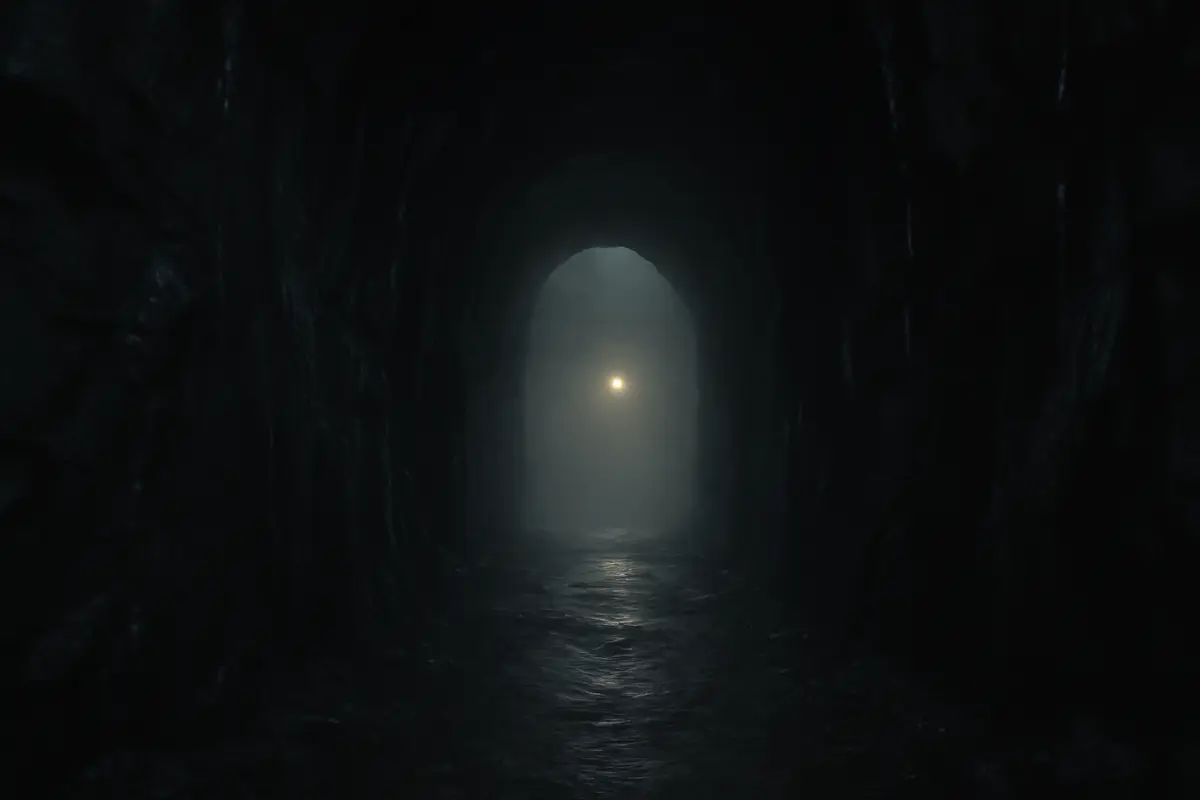
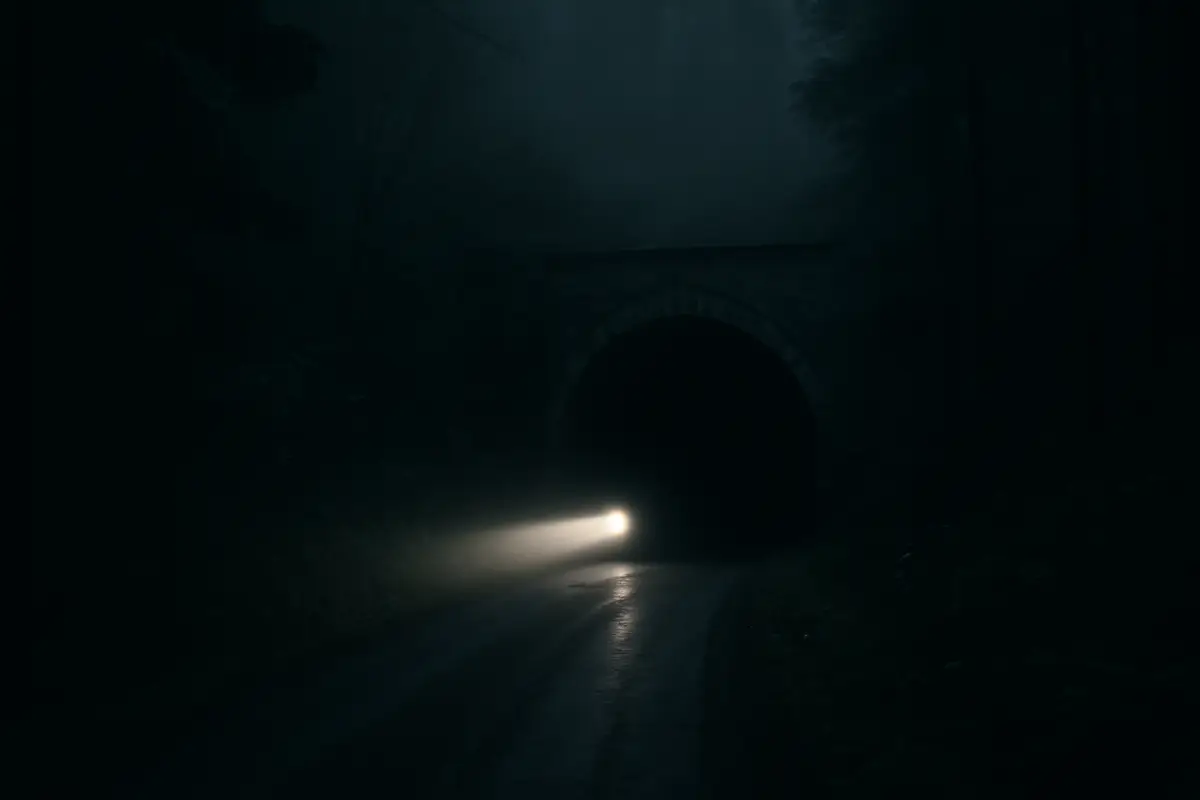
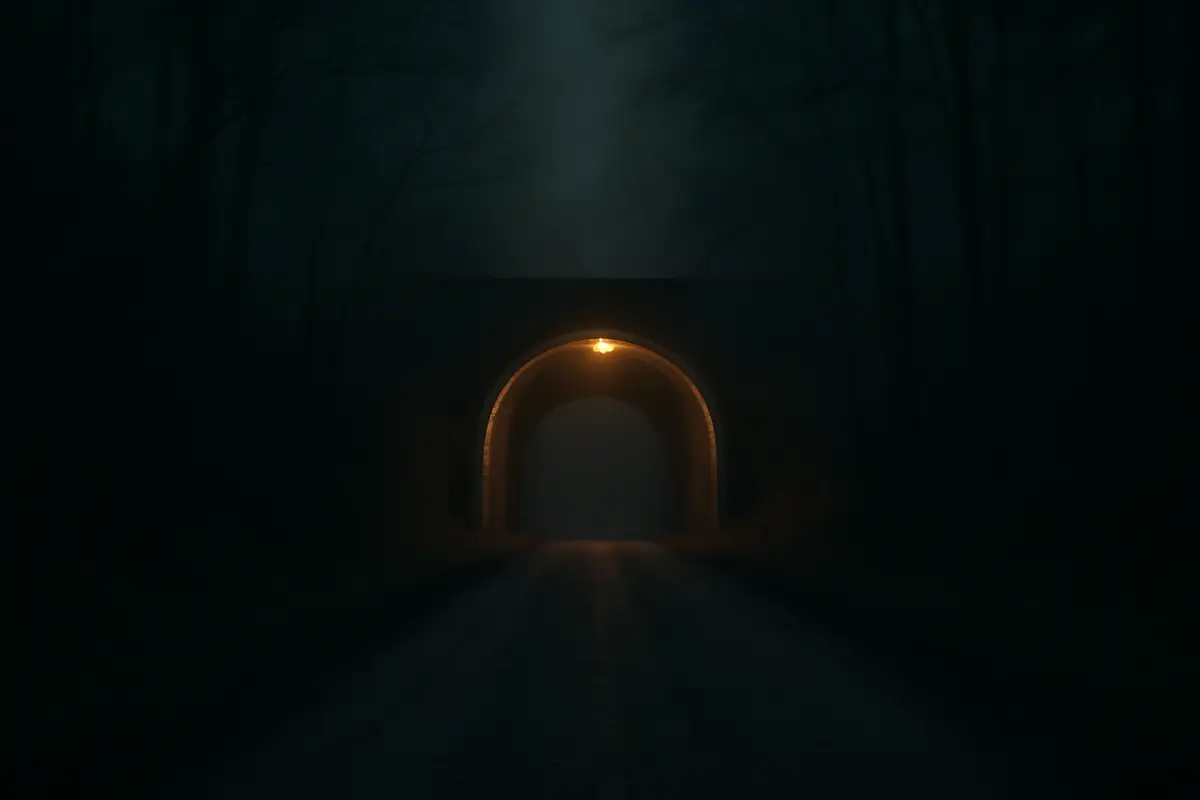
In the quiet farmland of Sanmu City, Chiba Prefecture, an unremarkable stretch of prefectural highway passes through a short, orange-lit tunnel called Saruo Tunnel. By day it’s simply part of the commute between rural hamlets. After dark, it’s considered one of Chiba’s more talked-about haunted spots — and unlike most tunnels on this site, it’s a modern road, not a repurposed mine or rail bore.
A Modern Tunnel With an Old-World Story Attached
Saruo Tunnel is a real, currently active roadway tunnel in the Saruo area of what is now Sanmu City, Chiba Prefecture, carrying Chiba Prefectural Road 22 (the Chiba–Yachimata–Yokoshiba Line). Available road records put it at approximately 265 meters long, 6.5 meters wide, and 4.5 meters high, completed in October 1986 (Shōwa 61). That makes it considerably newer than most of Japan’s famous “haunted tunnels,” which typically date to the Meiji or early Shōwa eras and were built for foot or rail traffic before being converted or abandoned. Because Saruo is a purpose-built road tunnel rather than a repurposed mining or railway bore, there’s no documented history of wartime labor or a large-scale construction accident tied to it, unlike many of the older tunnels this site has covered.
The Cemetery, the Pregnant Woman, and the Wall Marking
What is well documented locally is what sits directly above the tunnel: an old cemetery on the hillside. Locals connect the graveyard to the site’s reputation, and the specific figure reported most often is a pregnant woman — some accounts point to a discoloration or marking on the tunnel wall that resembles a pregnant silhouette as the origin of the story. Separately, visitors describe a woman with long hair in a green dress standing motionless near the tunnel’s exit, and a recurring detail where music playing on a car radio inside the tunnel is said to suddenly switch to Shōwa-era enka. A few older accounts also mention headless soldiers, though these appear far less frequently than the pregnant-woman story.
Why a 1986 Tunnel Has a Ghost Story at All
Most of Japan’s haunted-tunnel legends borrow their dread from construction-era tragedy. Saruo has none of that on record, which makes the cemetery overhead the more likely seed of its reputation — a modern tunnel built directly beneath a much older burial ground, on a road that’s dark and quiet enough after sundown to feel unlike its daytime self. It’s a useful contrast to the Meiji- and Shōwa-era tunnels elsewhere on this site: the haunting here doesn’t need an old tragedy, just an old graveyard and a dark commute.
Can You Visit?
Saruo Tunnel is an active public road, open to ordinary traffic day and night — there’s no access restriction the way there is for Japan’s many sealed, abandoned tunnels. Visitors going specifically for the reputation should treat it as what it also is: a working two-lane rural highway with real traffic, not an empty ruin.
Frequently Asked Questions
Is Saruo Tunnel abandoned?
No. It’s an active roadway tunnel carrying Chiba Prefectural Road 22, unlike most of the sealed or disused tunnels covered on this site.
What’s the origin of the “pregnant woman” story?
Locals connect it to a marking or discoloration on the tunnel’s interior wall that resembles a pregnant silhouette, along with the cemetery on the hillside directly above the tunnel.
As an Amazon Associate, this site earns from qualifying purchases.