Disclosure: this article contains an affiliate link. If you click through and buy something, World Urban Legend may earn a small commission at no extra cost to you. It costs you nothing and helps keep this archive free.
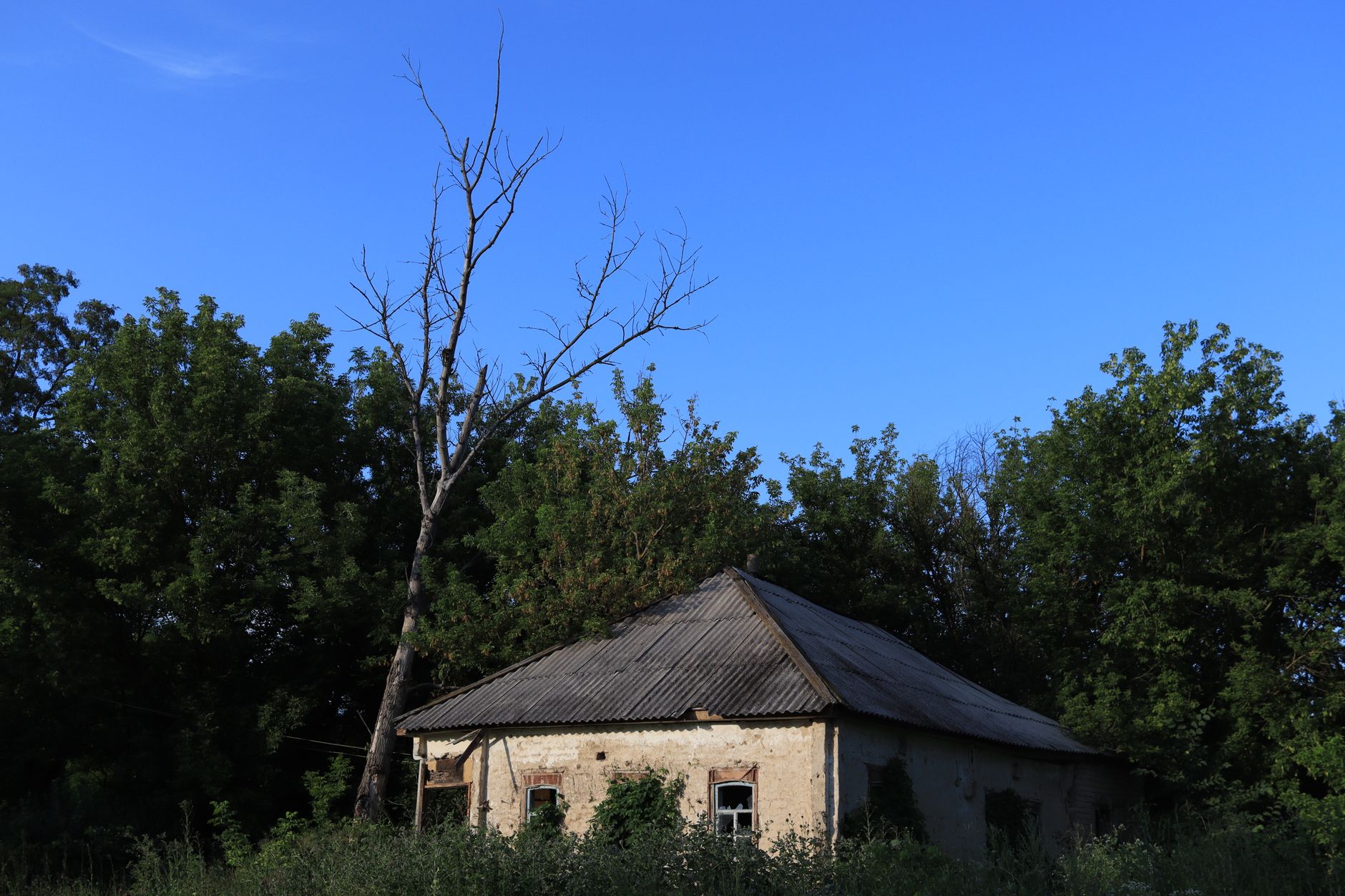
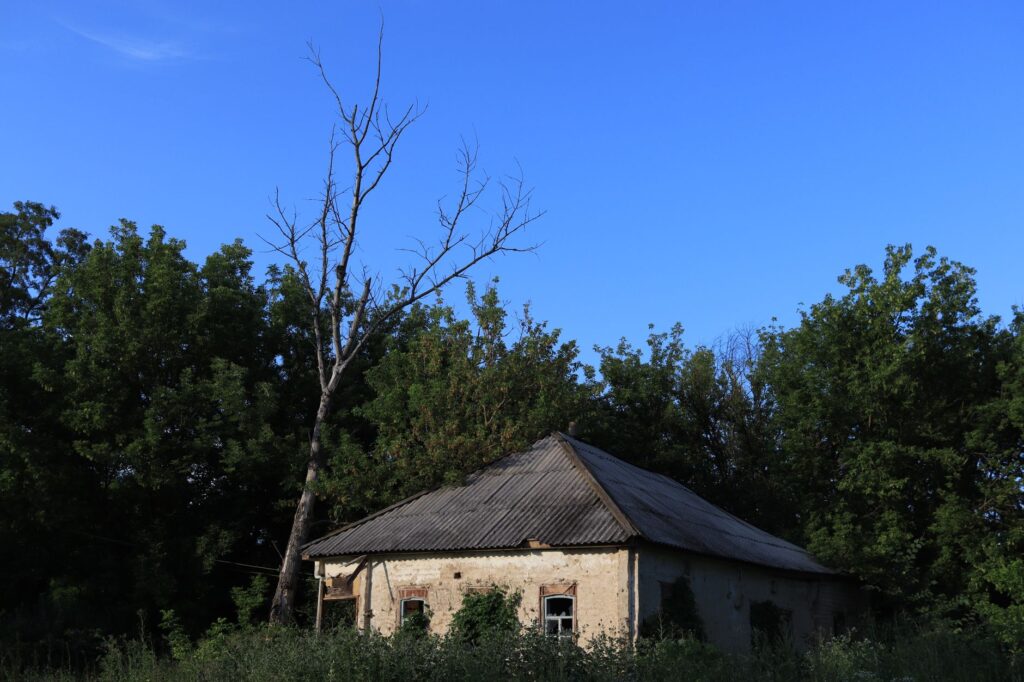
Sker House still stands near Kenfig, a few miles outside Porthcawl on the South Wales coast. It is a working farmhouse now, tucked behind dunes and a golf course, and most of the cars that pass it never slow down. But the house has a second life in Welsh folklore, one built from a real family, a real refusal, and a young woman who is said to have died waiting for a man her father would not let her marry.
The real story behind the haunting
The house belonged to the Williams family in the early 1800s. Isaac Williams ran Sker House and its farmland with the kind of authority that left no room for negotiation, and his daughter Elizabeth grew up inside that authority. She fell for Thomas Evans, a local harpist and carpenter from a nearby parish. By most accounts he was well liked, but he had no land and no fortune, and that was enough for Isaac to end the match before it began.
What happened next depends on which version of the story you're told, but the shape stays the same. Isaac confined Elizabeth to the house, cutting her off from Evans, and eventually pushed her into marrying a wealthier local man, Thomas Kirkhouse Rd. Some accounts say she went through with the marriage and lived out her life in quiet grief. Others say the confinement itself broke her, and that she died young, either of what people at the time called a broken heart or, in the harsher tellings, by refusing food. Records from the period are thin enough that historians can't settle it either way, which is part of why the story kept traveling by mouth long after anyone who knew Elizabeth was gone.
Thomas Evans, for his part, is credited with writing a mournful folk song about the house, sometimes called "Y Ferch o'r Sger" (the girl of Sker), which he is said to have performed for the rest of his life. That detail is one of the more human touches in the legend — not a scream in the night, but a song a rejected man kept singing.
How the ghost became a novel
The story might have stayed a local memory if it hadn't reached R. D. Blackmore, the English novelist best known for Lorna Doone. In 1872 he published The Maid of Sker, a three-volume novel that pulled the Williams family's story into a wider, fictionalized plot. Blackmore's version added characters and drama that never happened, but he kept the house itself and the core tragedy at the center of it, which is largely how “Maid of Sker” became attached to the property's name in the first place. The novel gave the legend a permanence that oral tradition alone often doesn't survive.
Locals and paranormal researchers who have visited Sker House over the years describe a figure at an upstairs window, most often the old nursery, watching the drive as if still expecting someone. Others report cold pockets in specific rooms, footsteps on the stairs when the house is empty, and a general sense of being watched near the room where Elizabeth was said to have been kept. None of this is documented in any rigorous way — it's testimony, not evidence — but it's been consistent enough over generations that Sker House is now one of the more talked-about haunted sites in Wales.
The video game, and where fiction takes over
In 2020, Welsh developer Wales Interactive released Maid of Sker, a first-person survival horror game built loosely around the legend. The game is not a retelling of Elizabeth's story. It's set in 1898 in a fictional hotel on an invented Sker Island, and it follows a man named Thomas Evans searching for his fiancée, also named Elisabeth Williams, inside a building overrun by a cult called the Quiet Ones. The names are a direct nod to the real history, and the developers have said publicly that the folklore around Sker House was their starting point. Everything past that — the cult, the island setting, the survival horror mechanics — is invention built for a game, not a record of anything that happened.
That distinction matters if you're trying to separate the legend from the marketing. The real story is a 19th-century family tragedy involving a forced marriage and a young woman's death. The game is a piece of licensed fiction that borrowed two names and a mood.
- The real Sker House is a Grade I listed building near Kenfig, South Wales
- Elizabeth Williams was a real person; the cult and Sker Island in the game are not
- The 1872 Blackmore novel fictionalized the story but kept the house and the tragedy
- Ghost sightings at Sker House are personal testimony, not verified records
If you want to read the source material that put Sker House on the literary map, R. D. Blackmore's original novel is still in print. Learn More.
Related: Cŵn Annwn: Wales’s Spectral Hounds That Foretell Death.
FAQ
Is Sker House a real place you can visit?
Yes. It's a privately owned farmhouse near Kenfig, South Wales, close to Porthcawl. It is not generally open to the public as a tourist attraction, so most visitors see it from the surrounding footpaths rather than inside.
Who was the real Maid of Sker?
She was Elizabeth Williams, daughter of Isaac Williams, who owned Sker House in the early 1800s. Her father blocked her relationship with a local musician and forced her into a marriage with a wealthier man; she is said to have died young afterward.
Is the Maid of Sker video game based on a true story?
It's based on the legend, not the events themselves. The developers borrowed the names Thomas Evans and Elisabeth Williams and the setting's haunted reputation, then built an entirely fictional plot involving a cult and an invented island around them.
Why is Sker House considered haunted?
Visitors and paranormal researchers have long reported a woman's figure at an upstairs window, cold spots, and unexplained footsteps, all tied to the belief that Elizabeth Williams's spirit never left the house. These reports are oral testimony rather than documented evidence.
Comments