This article contains affiliate links. If you buy through them, we may earn a commission at no extra cost to you.
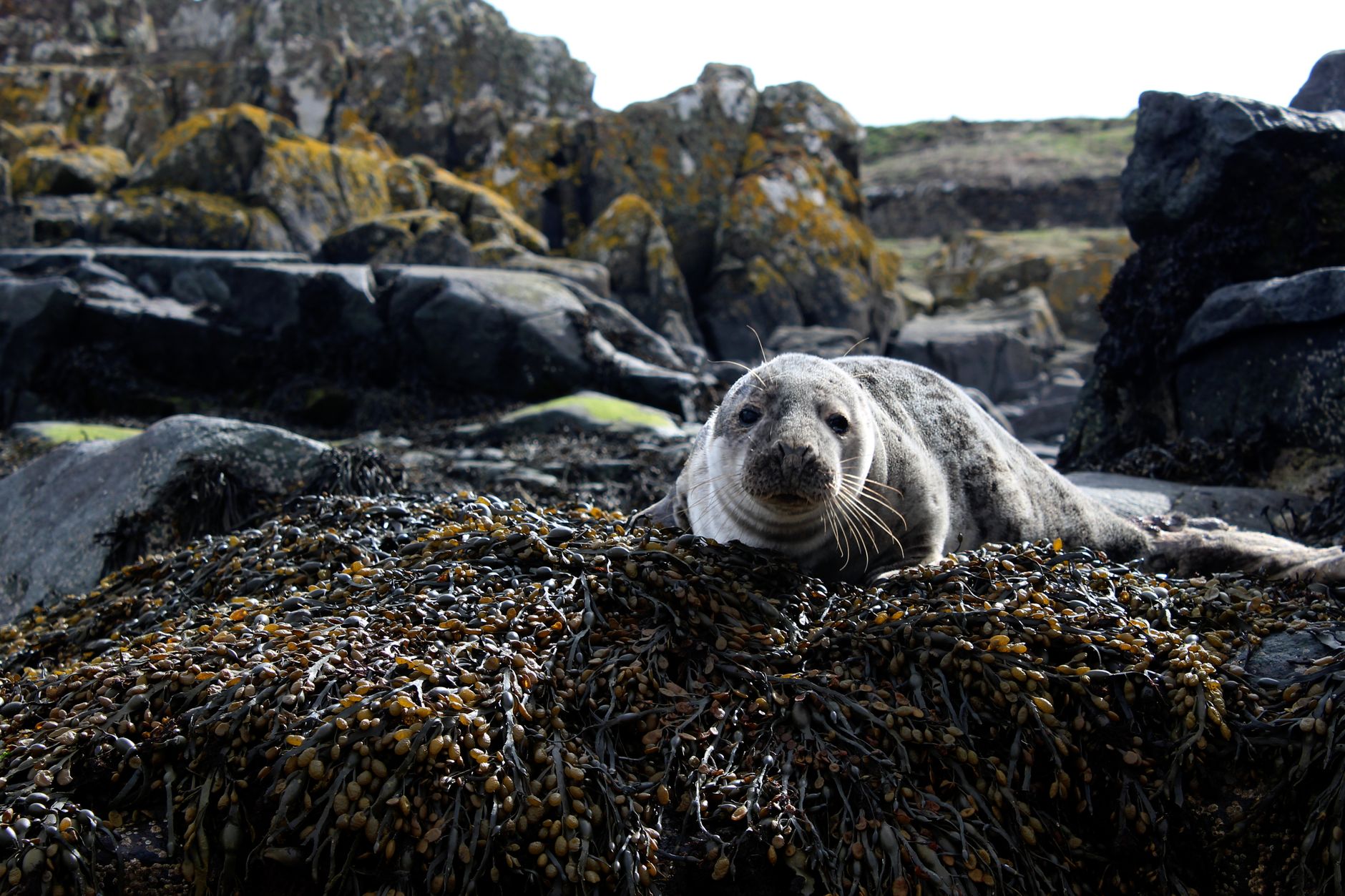
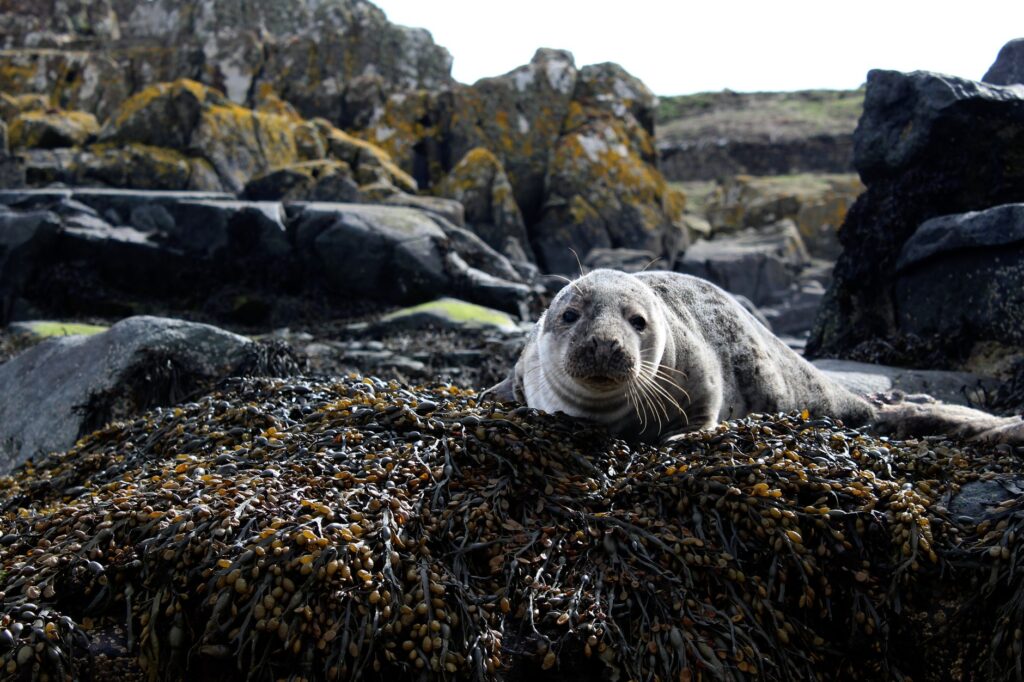
Folklorists collecting oral tales in the Orkney Islands in the 19th and 20th centuries found that nearly every island had its own version of the same core story: a seal-woman comes ashore, sheds her skin to walk as a human, and a man steals that skin to force her into marriage. The selkie — a being that lives as a seal in the water and can shed its skin to take human form on land — is one of the most consistently documented folk traditions of Scotland’s Northern Isles and coastal Ireland, recorded across a wide geographic spread by generations of collectors.
Verified History and Etymology
The word “selkie” derives from an old Orkney and Scots dialect term for seal, and the tradition is most strongly rooted in the Northern Isles: Orkney and Shetland. Folklore collectors working in these islands through the 19th and 20th centuries documented distinct local versions of the “selkie wife” story from individual islands, including a well-known variant recorded from North Ronaldsay describing a bachelor known as the “goodman of Wastness,” who falls in love with a selkie woman after hiding her sealskin, only for her to eventually find it and return to the sea. That level of island-by-island documentation is unusually thorough for European folklore and is one of the clearer cases where the geographic spread of a legend can be traced through named, collected oral sources rather than assumed from later retellings.
Historians and folklorists have proposed several theories for how the belief developed. One holds that the legend grew from real historical contact between Scottish or Irish coastal communities and Sámi or Finnish travelers, whose sealskin clothing and kayaks may have been mistaken for evidence of shapeshifting seal-people by observers unfamiliar with those cultures. A separate theory ties the tradition’s spread to Norse settlement in Scotland and Ireland beginning around the 9th century, noting that closely related seal-folk legends also appear in Faroese, Icelandic, and broader Scandinavian folklore. Neither theory has been established as definitively correct, and folklorists generally treat them as competing, unproven explanations for a genuinely old and widespread belief rather than settled fact.
The Legend Itself
In the most common telling, a selkie sheds its skin on a beach to dance or rest in human form. A human — usually a man, in the case of female selkies — steals and hides the skin, leaving the selkie unable to return to the sea and stranded on land. Many versions describe the selkie then living for years as a human wife, sometimes bearing children, before eventually discovering the hidden skin (often with the help of one of her own children) and immediately returning to the ocean, frequently leaving her human family behind. Selkies were also grouped by some Scottish storytellers within the wider “Aos Sí,” or fairy folk, tradition, referred to in Scottish Gaelic as “maighdeann-mhara” or “maighdeann-ròin” — sea maiden or seal maiden.
Some modern folklorists and literary critics reading these tales have focused on the story’s core tension: a marriage built on the theft of consent and freedom, with the selkie’s eventual return to the sea read as reclaiming autonomy rather than simple abandonment. This reading has made the legend a recurring reference point in contemporary discussions of the tale’s darker undertones, alongside its more traditional framing as a tragic or romantic sea legend.
What’s Actually Verifiable
No physical evidence supports selkies as literal shapeshifting beings, and no documented case attributes a disappearance or marriage to an actual seal-person. What is verifiable is the folklore record itself: the selkie wife story was documented in remarkable geographic detail across individual Orkney and Shetland islands by named folklore collectors, and closely related seal-folk traditions are independently documented in Faroese and broader Scandinavian sources, supporting a genuine cross-regional folk tradition rather than an isolated local tale. The specific historical mechanism behind the belief’s origin — contact with Sámi travelers, Norse settlement, or another explanation entirely — remains a matter of scholarly theory, and we could not verify a single settled account of how the legend actually began.
Cultural Significance Today
The selkie remains one of the most referenced figures in Scottish and Irish folklore today, appearing regularly in literature, film, and music across both countries, including well-known animated adaptations of the seal-wife story. In Orkney and Shetland specifically, selkie tales remain part of local cultural heritage and tourism storytelling, tied directly to the same island communities where the original variants were recorded. Ireland’s own death-omen spirit, the banshee, is another well-documented Celtic folklore figure worth comparing — read our full profile of The Banshee: Ireland’s Death-Omen Spirit. Orkney’s folklore record also documents a far more malevolent figure alongside the selkie: read our full profile of Nuckelavee: Orkney’s Skinless Horse-Demon of Scottish Folklore.
Related: The Kelpie: Scotland’s Shapeshifting Water Horse, More water spirits, lake monsters and ghost ships.
FAQ
Q1: What is a selkie, according to the legend?
A being that lives as a seal in the ocean and can shed its skin to take human form on land, most strongly documented in the folklore of Orkney, Shetland, and coastal Ireland.
Q2: What happens if a selkie’s skin is stolen?
In the most common version of the tale, the selkie is unable to return to the sea without it and is often forced into a human marriage until the skin is eventually found, after which the selkie returns to the ocean.
Q3: Where does the selkie legend come from?
Historians propose competing theories, including contact between Scottish or Irish communities and Sámi or Finnish sealskin-wearing travelers, or the spread of related Norse seal-folk legends beginning around the 9th century. Neither theory is definitively confirmed.
Q4: Is the selkie story documented in real folklore collections?
Yes. Folklorists recorded distinct local versions of the selkie wife tale from individual Orkney islands, including a well-known variant from North Ronaldsay, through direct oral history collection in the 19th and 20th centuries.
Q5: Are selkies always female in the legend?
No, though female selkies and the “stolen skin” wife narrative are the most commonly recorded version. Male selkies also appear in some regional tales.
Q6: Is the selkie legend still culturally significant today?
Yes. It remains part of Orkney and Shetland’s cultural heritage and continues to appear in literature, film, and music across Scotland and Ireland.
Learn More
- Books on Scottish and Irish Celtic folklore
- Orkney and Shetland folk tale collections
- Selkie and seal-folk mythology guides
As an Amazon Associate, this site earns from qualifying purchases.
Frequently Asked Questions
Where is the selkie legend most strongly documented?
In Scotland’s Northern Isles, Orkney and Shetland, where 19th- and 20th-century folklore collectors recorded distinct island-by-island versions of the “selkie wife” story, including a well-known variant from North Ronaldsay.
What is the core selkie story?
A seal-woman sheds her skin to walk as a human; a man steals and hides that skin, stranding her on land, where she often lives for years as his wife before eventually recovering the skin and returning to the sea.
What theories explain how the selkie legend developed?
One holds it grew from real contact between coastal communities and Sámi or Finnish travelers whose sealskin clothing may have been mistaken for shapeshifting; another ties it to Norse settlement beginning around the 9th century. Neither is considered definitively proven.
Are selkies part of a wider folklore tradition?
Yes. Scottish storytellers sometimes grouped selkies within the broader “Aos Sí” or fairy-folk tradition, referring to them in Scottish Gaelic as “maighdeann-mhara” or “maighdeann-ròin” (sea maiden).
Comments