This article contains affiliate links. If you buy through them, we may earn a commission at no extra cost to you.
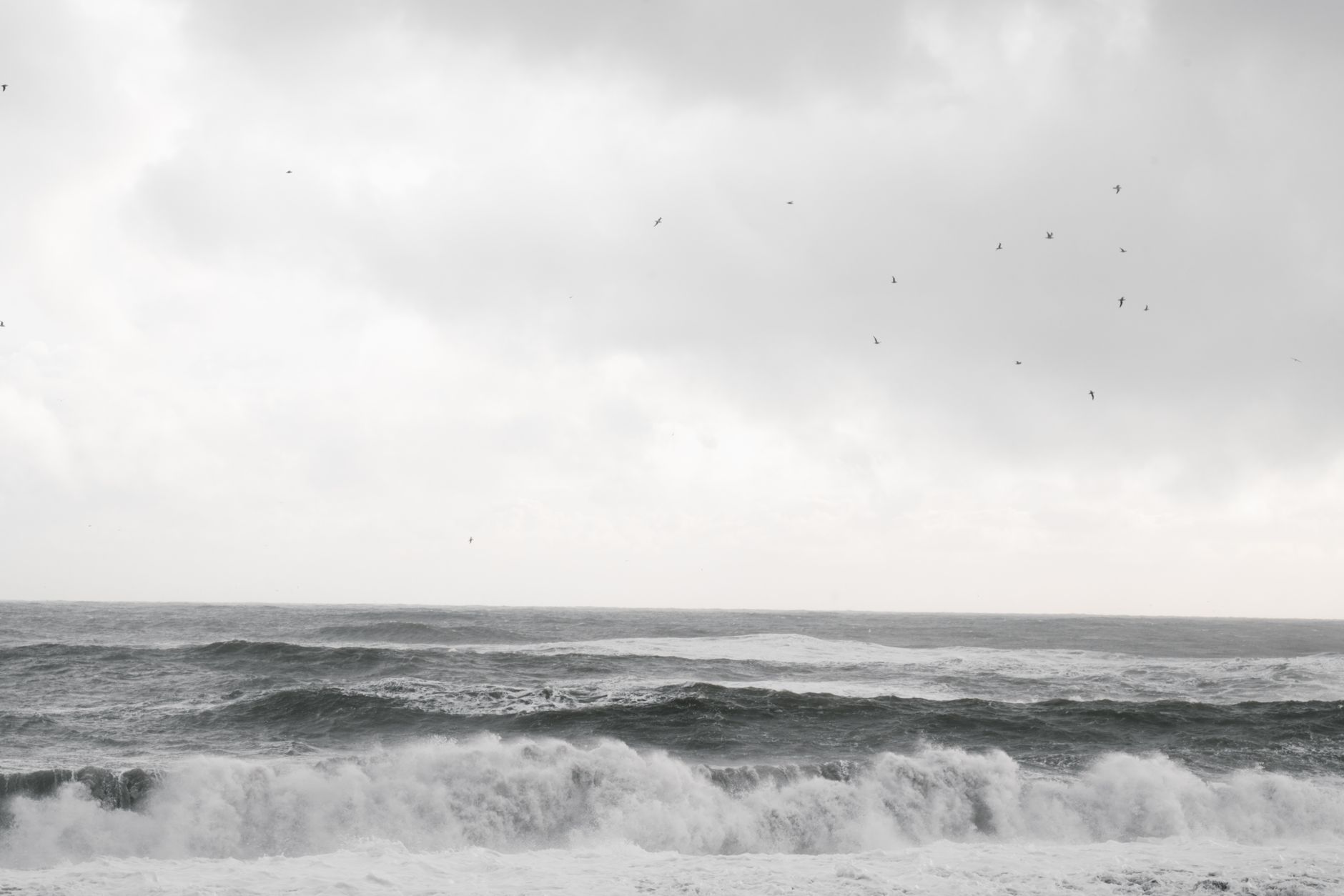
Every country with a coastline seems to have a story about something that comes out of the water. Malé's version is Rannamaari — a demon said to have surfaced from the sea once a month, and to have kept surfacing until one traveler refused to run.
A Temple, a Monthly Toll
Before Islam reached the Maldives, oral tradition holds that Malé stood under the shadow of a jinn or sea demon known as Rannamaari, sometimes called Rehendi Ruh. The demon's arrangement with the island was brutal in its simplicity: once a month, a virgin girl was selected by lottery and left alone overnight in a coastal temple built for the purpose. By morning, she was gone.
Families dreaded the lottery. Kings tolerated it. According to the legend, this went on for generations — not because anyone believed it was right, but because no one had found a way to stop it.
The Traveler Who Didn't Run
The story turns on one visitor: Abu al-Barakat Yusuf al-Barbari, a North African scholar traveling through the Indian Ocean. Different tellings give him different origins — Berber, Persian, Moroccan — but the core of the story holds steady. When he learned of the monthly sacrifice, he offered to take a chosen girl's place.
The king, we're told, was skeptical but out of options, and agreed. Al-Barbari was left in the temple that night with nothing but his voice. Rather than hide or flee when the demon rose from the sea, he recited verses from the Quran without pause until dawn. When the sun came up, the demon was gone — and, the story says, never returned.
The king converted to Islam on the spot. His court and, eventually, his subjects followed.
Legend Meets Record
Here's where the story gets more interesting than the folklore alone: this isn't a tale that only survives in oral memory. The 14th-century Moroccan traveler Ibn Battuta recorded a version of it during his own stay in the Maldives, which is part of why the Rannamaari story reads less like a ghost story and more like an origin myth with a named source. Ibn Battuta's account is the closest thing the legend has to a paper trail.
The historical record around it is real, even if the demon isn't verifiable by it. Sultan Dhovemi Kalaminja's conversion to Islam is dated to 1153 CE in Maldivian chronicles, and Hukuru Miskiy — the Friday Mosque still standing in Malé today — is built, by local tradition, on the site of the demon's temple. Al-Barbari himself is remembered as a real historical figure; his tomb sits on the mosque grounds, and he's venerated there as the man credited with bringing Islam to the islands.
What historians are careful to separate is the neatness of the story from the messiness of what actually happened. Islamization of the Maldives, most researchers now argue, was almost certainly gradual — shaped over time by Arab, Persian, and South Asian trade routes through the Indian Ocean, not flipped in a single night by one man's recitation. The Rannamaari tale functions as what scholars sometimes call a foundation legend: a compressed, dramatic story that gives a slow, complicated historical shift a single memorable turning point. That doesn't make the legend false in the way it matters to the people who tell it — it makes it a different kind of true, the kind built for memory rather than for a court record.
Why the Story Still Holds
Rannamaari isn't marketed to visitors the way some island legends are — there's no demon-themed tour of Malé. It persists instead in something closer to civic memory: in the mosque's name, in Ibn Battuta's travel writing, in a tomb people still visit. It's a rare case where a monster story and a nation's founding narrative are the same story, told from two directions at once.
Related: Foolhudhigu Handi: The Maldives’ Umbilical Cord Monster.
FAQ
Was Rannamaari a real sea creature?
No physical or archaeological evidence supports a literal sea monster. Rannamaari belongs to oral folklore and is best understood as legend, not documented zoology or history.
Is Hukuru Miskiy actually built on the demon's temple site?
That's the local tradition, and it's widely repeated in Maldivian accounts of the mosque's origin. There's no independent archaeological confirmation of what stood on the site before the mosque, so this connection rests on tradition rather than excavation records.
Did the whole country really convert to Islam because of one night?
The legend says so, but most historians treat the single-night conversion as a simplified story standing in for what was likely a gradual process spanning trade contact over a longer period. The 1153 CE date for Sultan Dhovemi's conversion is treated as historical; the one-night drama around it is treated as legend.
Learn More
As an Amazon Associate, this site earns from qualifying purchases.
Comments