This article contains affiliate links. If you buy through them, we may earn a commission at no extra cost to you. As an Amazon Associate, we earn from qualifying purchases.
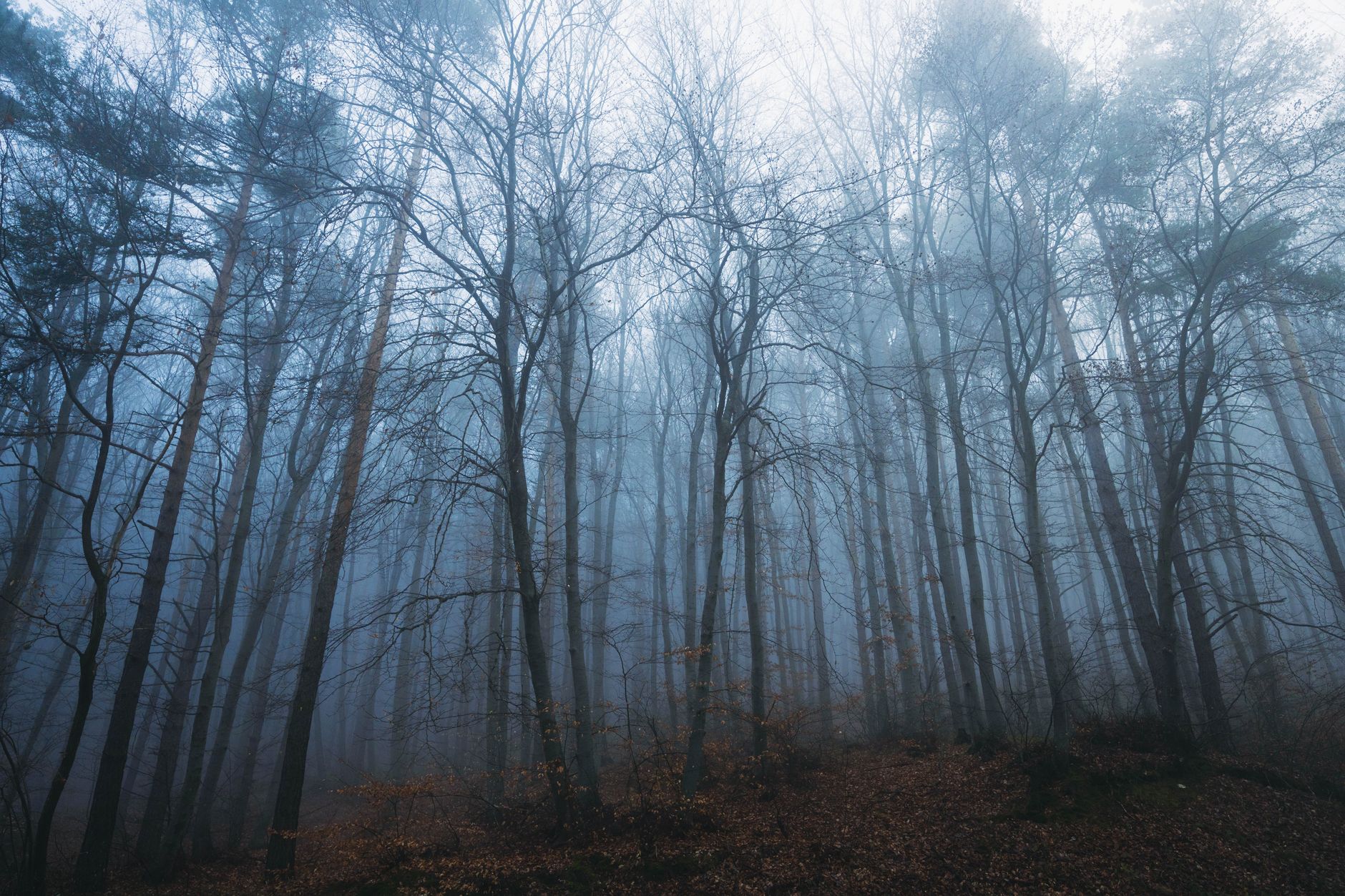
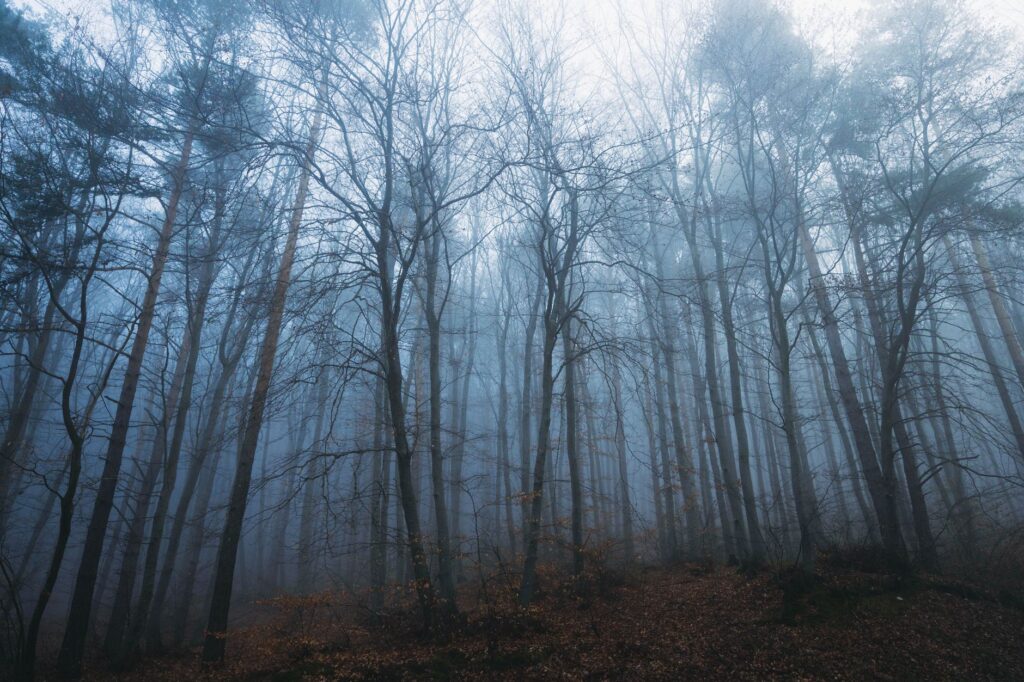
A hunter walks deep into Dominica's rainforest before dawn, following a deer trail he's tracked a dozen times before. This time the trail doesn't lead where it should. Roots seem to shift underfoot. The light changes angle. Hours pass that feel like minutes, and when he finally stumbles back into the clearing he started from, the deer is long gone and so is most of the day. Older hunters on the island have a name for what just happened to him: he crossed Papa Bois, and Papa Bois wasn't in the mood to let him pass.
Who Is Papa Bois?
Papa Bois — sometimes called “Maître Bois,” master of the woods, or “Daddy Bouchon,” the hairy man — is the forest guardian of Dominica's oral tradition, known across much of the French Creole Caribbean as well. The name itself is French Creole for “father of the forest,” and that's exactly the role he plays: an ancient, territorial protector of every tree, stream, and animal under his charge.
He's described as an old man, but not a frail one. Storytellers give him cloven hooves, small horns growing from his forehead, and a beard made of tangled moss or leaves. His body is covered in coarse hair, and his skin is said to resemble bark — weathered, cracked, blended into the forest he never leaves. He carries a hollowed bull's horn slung at his side, which he blows to warn animals when hunters are approaching. Some versions of the legend give him the power to transform into any creature of the forest at will, and to run faster than anything that walks on four legs.
Dominica's folklore ties Papa Bois to a deep well of mixed ancestry — African spiritual traditions carried across the Atlantic, French Creole storytelling that shaped so much of the island's language and belief, and the ecological knowledge of the Indigenous Kalinago people who lived in Dominica's mountains long before either arrived. That layered origin is part of why the legend feels less like a simple monster story and more like an inherited code of conduct for how to treat a forest that people actually depend on.
What He Does to Hunters
Papa Bois isn't hostile to hunting itself. The forest legend has never been "don't kill animals" — Dominica's rural communities have hunted manicou and agouti for generations, and the story doesn't condemn that. What draws his anger is killing without need, killing for sport, or destroying more of the forest than a hunter can use. That distinction matters, because it's the entire mechanism of the legend: Papa Bois functions less as a monster to fear and more as a warning built into the landscape itself, one that polices how people take from the forest rather than whether they can.
When a hunter crosses that line, the punishment described in the oral tradition is almost never violent. Instead, Papa Bois disorients. He's said to shapeshift into a deer or a half-man, half-deer figure to lure a greedy hunter off the trail he knows, deeper into unfamiliar brush, until the man is exhausted, lost, and forced to admit he needs help finding his way home. Some tellings have him leading hunters in circles for hours, so that a familiar patch of forest suddenly feels endless. The lesson, retold at gatherings for generations, is that the forest does not forget who takes more than they need.
How to Survive an Encounter
Caribbean storytellers are specific about the etiquette of meeting Papa Bois, and the rule shows up in tellings from Dominica to Trinidad with remarkable consistency: if you find yourself face to face with the old man of the woods, you greet him first, and you greet him with respect. The traditional line, spoken in French Creole, is “Bon jou, Papa Bois” — good day, old Father. Look him in the eye. Don't run. A hunter who shows that basic courtesy, the story goes, is far more likely to be let go unharmed than one who reaches for a weapon or tries to flee.
It's a small piece of dialogue, but it carries the whole point of the legend. Papa Bois doesn't ask hunters to leave the forest alone — he asks them to acknowledge that the forest belongs to something, that it isn't simply theirs for the taking. In a place like Dominica, nicknamed the “Nature Island” for rainforest that still covers roughly two-thirds of its land, that acknowledgment isn't just folklore dressing. It's a working relationship between people and the land they live on, retold often enough that it still shapes how some hunters behave before they step off the trail.
Papa Bois and Mama Dlo
No account of Papa Bois is complete without his counterpart, Mama Dlo — also spelled Mama D'Leau or Mama Glo — the serpent-tailed spirit said to guard the island's rivers and freshwater sources the way Papa Bois guards the trees and hills. In many versions of the folklore the two are partners, sometimes described as husband and wife, dividing guardianship of the rainforest between land and water. Where Papa Bois punishes reckless hunters, Mama Dlo is said to deal with those who pollute or overfish the rivers — a matched pair of consequences for anyone who treats Dominica's wilderness as something to exploit rather than share.
Related: More Caribbean legends and ghost stories.
Learn More
As an Amazon Associate, this site earns from qualifying purchases.
Comments