This article contains affiliate links. If you buy through them, we may earn a commission at no extra cost to you.
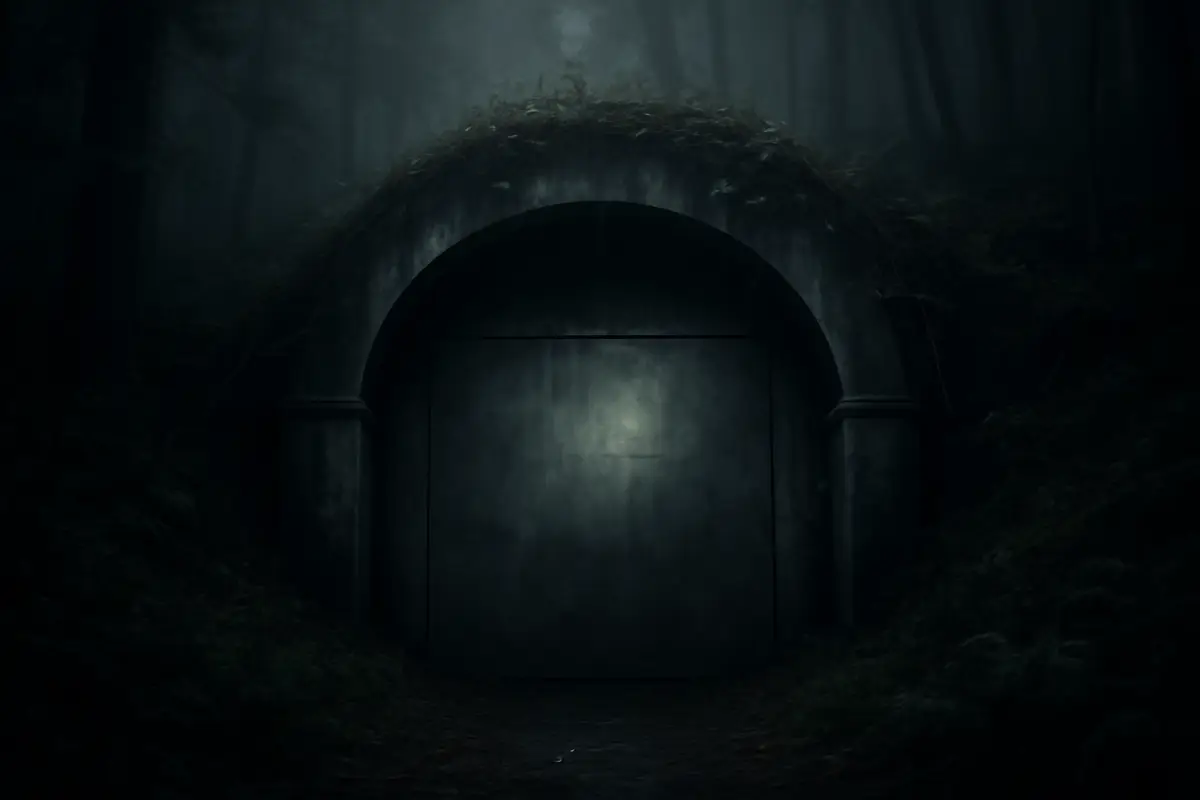
The Old Inunaki Tunnel (旧犬鳴トンネル) sits on the old mountain pass road between Miyawaka and Hisayama in Fukuoka Prefecture, Kyushu. It is widely cited as Japan's most feared “haunted spot,” and unusually, its dark reputation rests on a documented crime.
Verified history
The tunnel opened in 1949. In 1975, a bypass opened nearby and the old route fell out of use. On December 7, 1988, five young men abducted a 20-year-old factory worker, tortured him, and burned him to death inside the old tunnel while trying to steal his car — a documented crime with convicted perpetrators. Two further fatal or serious accidents involving thrill-seekers were reported in 1992 and 2001. The tunnel entrance is now sealed with concrete and the road is officially closed.
The “Inunaki Village” legend — and why it's not the same thing
Much of the tunnel's modern fame comes from “Inunaki Village” (犬鳴村), an online legend spreading from around 1999: a hidden settlement exempt from Japanese law, with hostile residents who attack outsiders. Japanese sources are explicit this is fabricated (“事実無根”/“without factual basis”). A real village called Inunaki did exist 1691–1889, submerged in 1986 by a dam, but has no documented connection to the “lawless village” story beyond the shared name.
Our take
Separate the two stories: the tunnel's tragic reputation is grounded in a real 1988 murder and later fatal accidents. The “hidden village” story is internet folklore, later amplified by horror films.
Can you visit: Not recommended. The tunnel is sealed with concrete and the road officially closed; trespassing has led to fatal accidents.
Why This Entry Is Handled Differently From Most on This Site
Most tunnels covered here involve unverified or thin ghost claims layered onto ordinary infrastructure. Old Inunaki Tunnel is the rare exception where the tragic reputation traces to a real, convicted 1988 murder — which is exactly why we’re careful to separate it from the “Inunaki Village” internet legend that later attached itself to the same name. Conflating a documented crime with fabricated internet folklore does a disservice to both the real victim and to honest reporting.
Part of a Wider Pattern: Haunted Tunnels Across Japan
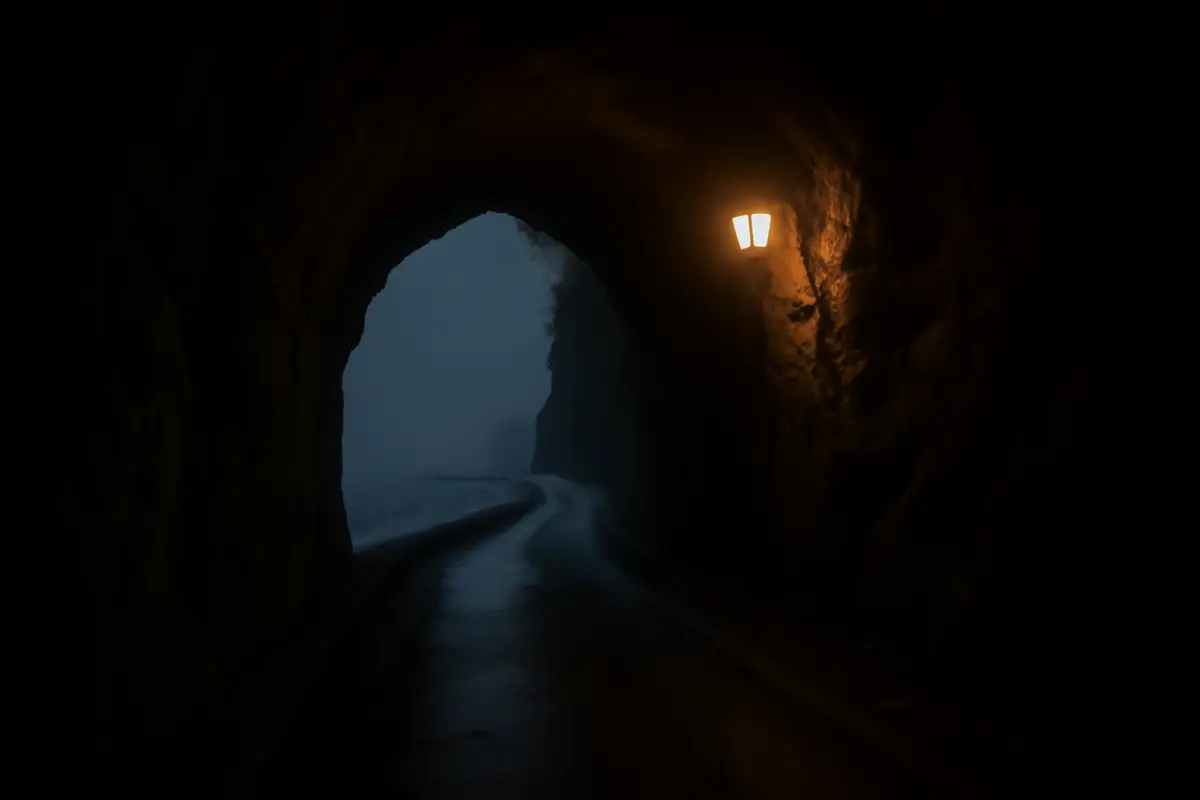
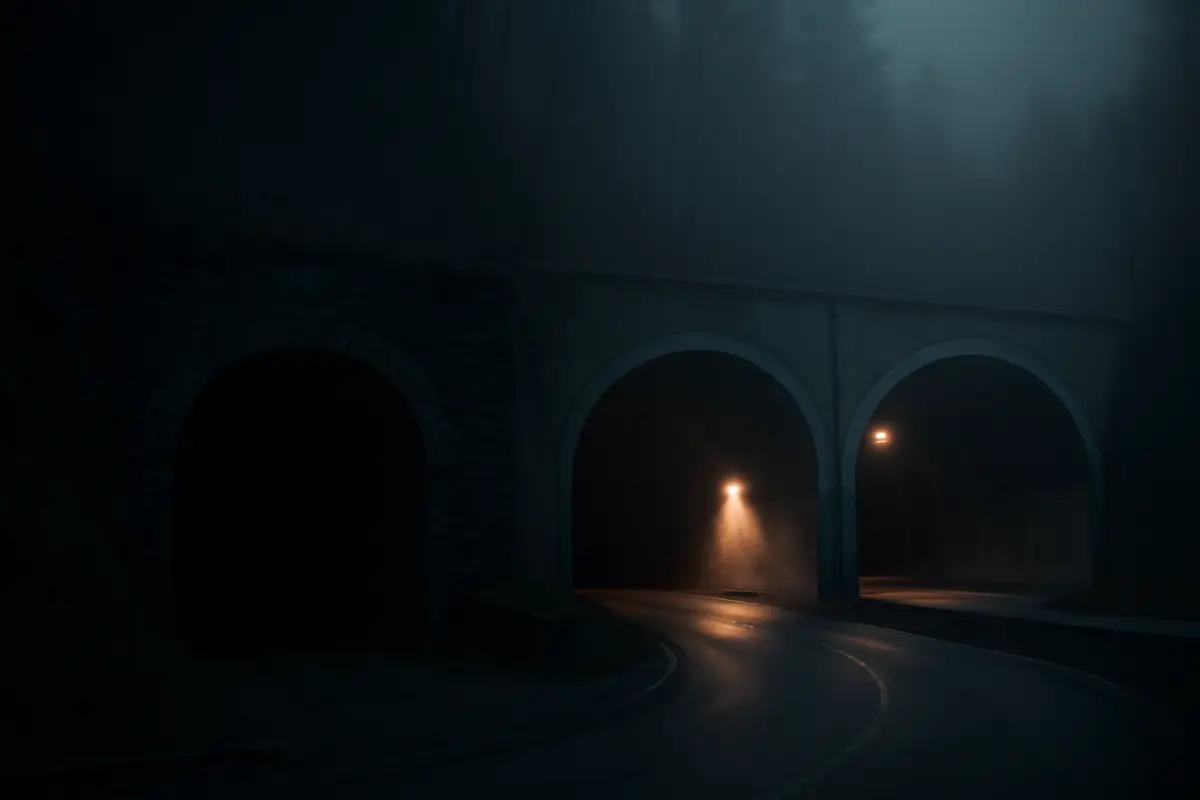
Old Inunaki Tunnel is one of dozens of similar sites documented across this site, and it fits a recognizable pattern rather than standing alone. Roughly three-quarters of Japan’s land area is mountainous, which has required over a century of tunnel construction, and older bores are typically sealed or abandoned rather than demolished once a wider, better-lit replacement opens nearby. Those abandoned alignments — not the tunnels still in daily use — are where the folklore tends to concentrate: narrow, unlit, and left to decay in a way that reads as ominous even when the underlying cause is a routine highway upgrade. Japan’s long kaidan (ghost story) storytelling tradition, which attaches spirits to liminal spaces such as tunnels, bridges, and mountain passes, gives these sites a ready-made narrative frame.
Frequently Asked Questions
Is the Inunaki Village story real?
No. Japanese sources are explicit that it’s fabricated (“事実無根”/”without factual basis”) — an internet legend from around 1999 describing a lawless hidden settlement, unrelated to any documented history of the real village that existed 1691–1889.
What actually happened at Old Inunaki Tunnel?
A documented, convicted 1988 murder — five men abducted, tortured, and killed a 20-year-old factory worker inside the tunnel — plus two further fatal or serious accidents in 1992 and 2001 involving thrill-seekers.
Can you visit Old Inunaki Tunnel?
No — it’s not recommended. The entrance is sealed with concrete and the road officially closed; trespassing has led to fatal accidents.
Why are so many tunnels in Japan considered haunted?
Japan’s mountainous terrain (roughly three-quarters of the country) has required over a century of tunnel construction, and old bores are typically abandoned rather than removed once a newer route opens nearby. Combined with a long kaidan (ghost story) tradition of attaching spirits to liminal spaces, these abandoned tunnels became natural settings for local ghost stories.
Is Japan considered a haunted country?
Japan has one of the world’s richest documented traditions of ghost stories and haunted-location folklore, built up over centuries through kaidan storytelling, yokai folklore, and site-specific legends attached to tunnels, forests, and other liminal places. That reflects a deep cultural and narrative tradition — not a verifiable claim about supernatural activity.
What makes an abandoned tunnel a likely setting for a ghost story in Japan?
Age, disuse, and physical decay do most of the work: a dark, damp, overgrown structure that once carried traffic and now carries none reads as unsettling on its own, independent of any specific incident. As with Old Inunaki Tunnel, the underlying history is often more mundane — a routine bypass or road realignment — than the legend suggests.
As an Amazon Associate, this site earns from qualifying purchases.
Comments