This article contains affiliate links. If you buy through them, we may earn a commission at no extra cost to you.
A masalai does not wander. That is the detail that separates it from almost every other spirit on this site. Ghosts drift, demons possess, phantoms haunt whichever house they please. A masalai stays put — bound to one waterhole, one bend in a river, one outcrop of rock — and everyone nearby is expected to know exactly where its jurisdiction begins.
What a Masalai Actually Is
Masalai is a Tok Pisin word — Tok Pisin being the Melanesian Pidgin lingua franca spoken across Papua New Guinea — for a category of supernatural being tied to a specific natural feature. A waterfall, a marsh, a cliff face, a whirlpool, a stretch of forest: each can have its own resident masalai, and the being's authority rarely extends past the edges of that one place. Anthropologist Margaret Mead documented this pattern of “limited jurisdiction” decades ago, describing masalai as spirits that govern their immediate surroundings and little else.
Their appearance is where things get strange. Masalai are frequently described as taking the form of snakes or crocodiles, but rarely ordinary ones. Local accounts mention two-headed serpents, oddly colored crocodiles, or creatures that mix features no real animal has. The distortion itself seems to be the point — a way of marking the creature as not-quite-natural, occupying the same landscape as everyday wildlife while clearly not belonging to it.
Neither Good Nor Evil
What makes masalai harder to categorize than a typical monster is that they resist being sorted into “evil spirit” or “protective guardian.” They are described as icons of ambiguity — capable of punishing trespassers with illness, misfortune, or worse, but also capable of extending protection or even sharing power with someone who approaches correctly. According to some accounts, masalai have used trickery to lure people into danger, including tales of seduction that ends in harm. They are feared and respected, the way you'd treat a dangerous neighbor rather than worshipped the way you'd treat a god.
That distinction matters. Masalai are not part of a religious pantheon with temples or regular offerings. They are closer to landlords of the terrain — beings whose goodwill or wrath depends entirely on whether you respected the boundaries of their patch.
The Land Comes With Rules Attached
Because a masalai's power is tied to a place, the place itself becomes governed by taboo. Among the Fore people, certain spirit-inhabited sites are designated “Ples Masalai” — masalai ground — where visitors are expected to lower their voices and avoid touching or damaging the plants growing there. In the Upper Sepik region, groups such as the Bahenimo treat sections of land as off-limits or restricted specifically because they are understood to be dwelling places of masalai, not because of any practical hazard.
This is where the folklore does real social work. A masalai story is rarely told just to frighten — it functions as an enforceable boundary. Disturb the wrong stretch of forest, fish in the wrong pool, cut the wrong tree, and the consequence isn't a fine or a scolding from an elder. It's understood to come from the spirit itself, in the form of illness, accident, or a landslide that seems to arrive with unnatural timing.
When the Land Reacts
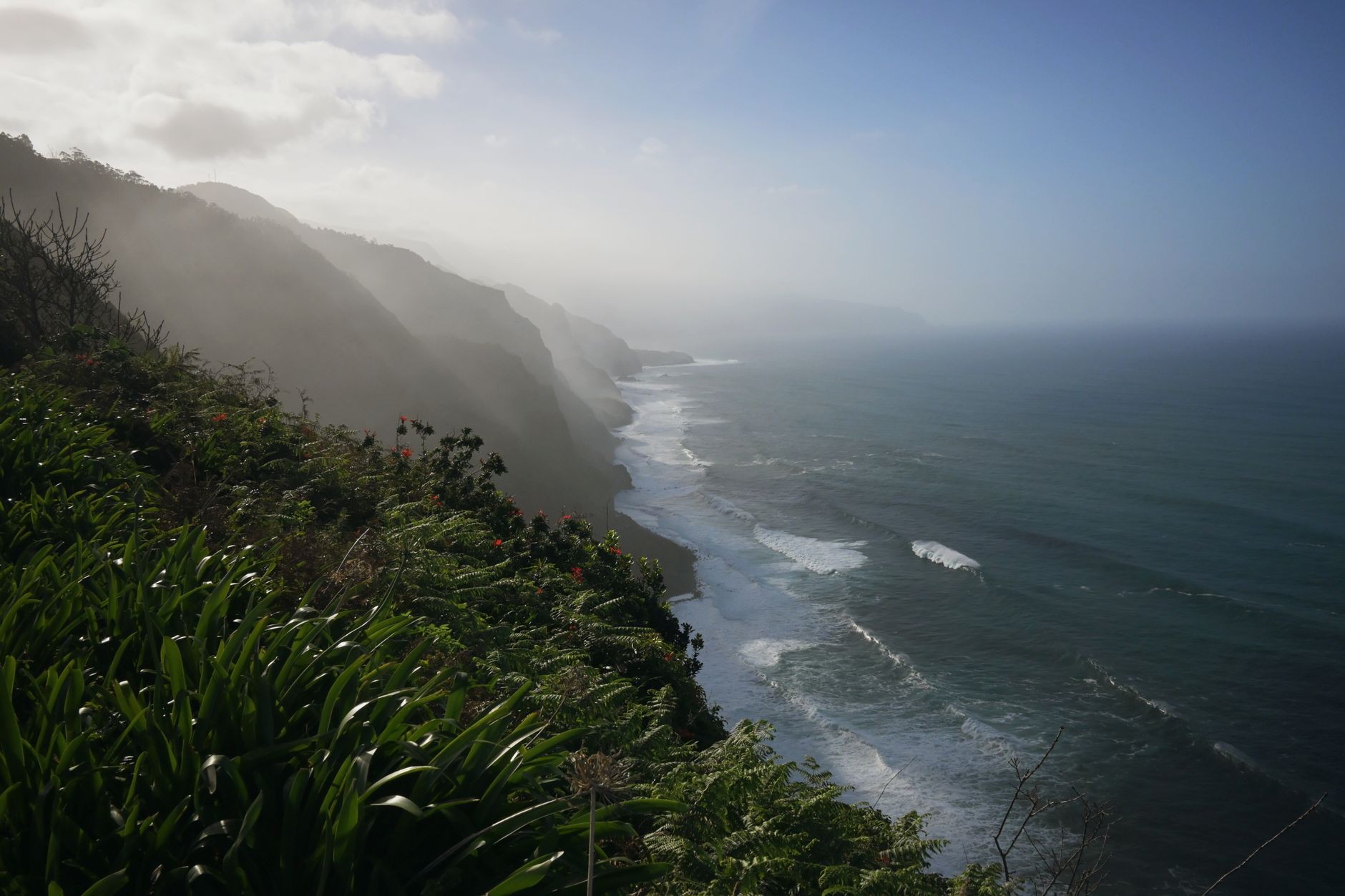
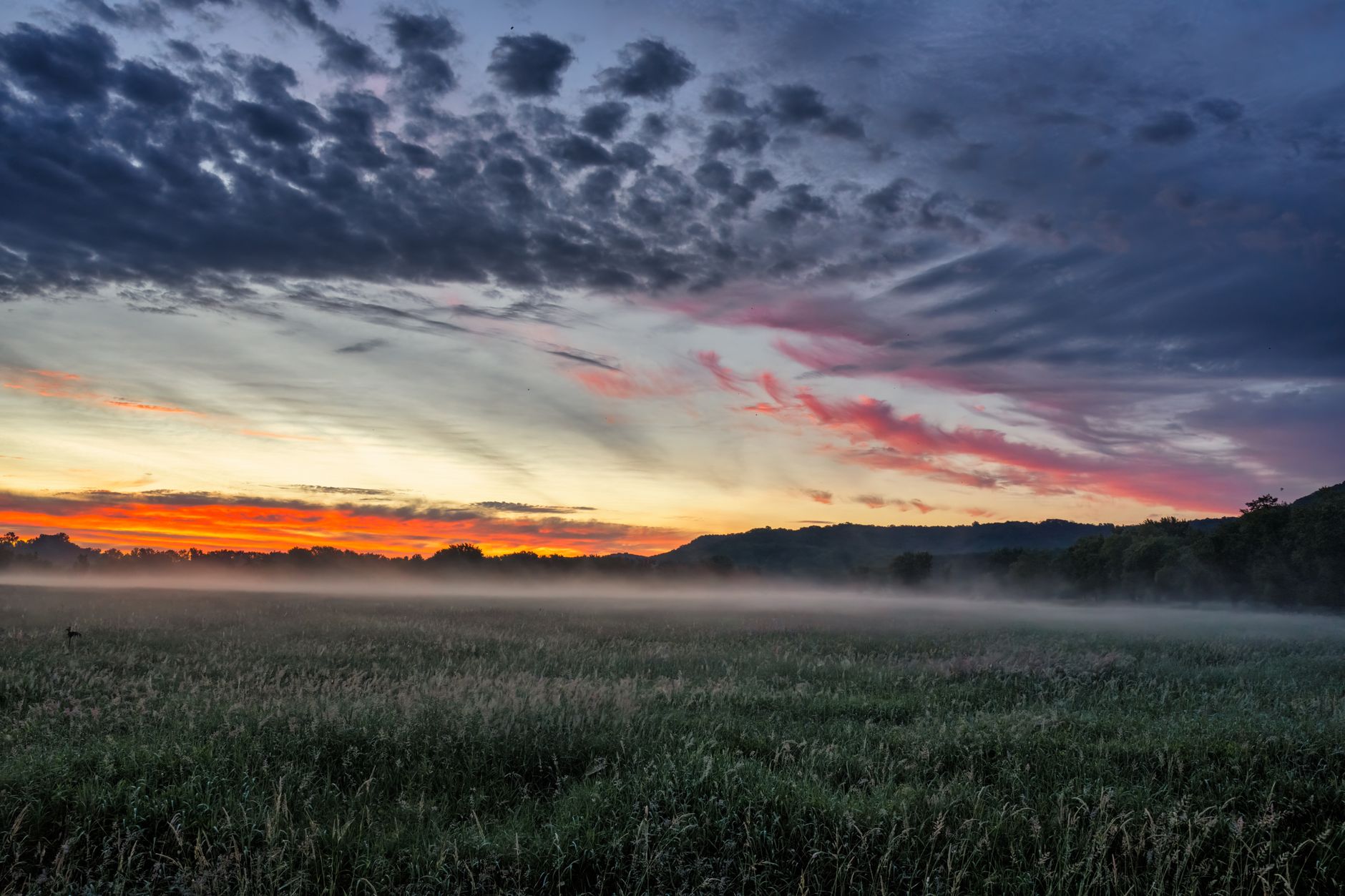
Unexplained natural events are commonly read as a masalai expressing displeasure. A sudden storm rolling in without warning, a mist that settles over a clearing at the wrong hour, or a landslide that follows a violated taboo — these are the kinds of occurrences that get folded into the masalai narrative after the fact. It's a pattern seen in place-spirit traditions worldwide: the landscape itself becomes a character capable of responding to how it's treated, and unpredictable natural phenomena get absorbed into that framework rather than dismissed as coincidence.
Masalai tales also do quieter explanatory work, offering origin stories for how a particular gorge, pool, or rock formation came to look the way it does. In a region with hundreds of distinct language groups and no single centralized mythology, these localized spirit-of-place stories are often the primary way a community's relationship to its own terrain gets passed down.
Why the Story Still Holds
Papua New Guinea is one of the most linguistically diverse places on Earth, and masalai beliefs vary considerably from one language group to the next — there is no single standardized “masalai mythology,” only a shared pattern repeated across hundreds of local variations. What stays consistent is the underlying logic: certain places are not neutral ground, they belong to something, and the safest posture toward them is caution rather than curiosity.
That logic is easy to dismiss from a distance, but it maps onto something almost every culture recognizes in some form — the sense that not every patch of land is equally safe to disturb, and that some places seem to answer back when you don't take them seriously.
Related: More legends and haunted places of Australia and the Pacific Islands.
Learn More
- Books on Melanesian and Pacific Island mythology
- Field guides and travel writing on Papua New Guinea
As an Amazon Associate, this site earns from qualifying purchases.
Comments