This article contains affiliate links. If you buy through them, we may earn a commission at no extra cost to you.
On April 21, 1934, London's Daily Mail published a photograph on its front page showing what appeared to be a long-necked creature rising from the water of Loch Ness, credited to a London gynecologist named Robert Kenneth Wilson. Known ever since as the "Surgeon's Photograph," it became the single most famous image associated with the Loch Ness Monster — and in 1994, sixty years later, one of the men who helped create it confessed, on the record, that it was a fake.
The Legend
Stories of a large, unidentified creature living in Loch Ness, a deep freshwater lake in the Scottish Highlands, date back centuries in local tradition, with the earliest often-cited reference being a 6th-century account involving Saint Columba and a beast in the River Ness. Modern “Nessie” fame, however, really begins in 1933, when a road was completed along the loch's shore, giving far more people a clear view of the water than ever before, and local press began publishing a wave of sighting reports that year. From that point, Loch Ness became one of the world's most famous cryptid locations, generating decades of expeditions, sonar surveys, and photographic claims.
Verified History: The Surgeon's Photo Hoax
The Surgeon's Photograph is the best-documented case of manufactured evidence in the entire Loch Ness story. In 1994, Christian Spurling, shortly before his death at age 90, confessed that he had built a small model “monster” — a serpentine neck and head mounted on a toy submarine — at the request of his stepfather, big-game hunter and showman Marmaduke Wetherell. Wetherell had been publicly embarrassed earlier that year after supposed “monster footprints” he'd reported turned out to have been made with a hippopotamus-foot ashtray stand, and researchers believe the staged photograph was arranged partly to restore his credibility. Colonel Wilson, a respected professional, agreed to have his name attached to the photograph when it was sold to the Daily Mail, lending it an air of scientific credibility it did not deserve. This confirmed hoax stood unchallenged in public understanding for six decades, making it a genuinely instructive case study in how a single fabricated image can define a legend's public image for generations.
What's Actually Verifiable
No physical specimen, bone, or universally accepted photograph or video has ever provided scientific confirmation of a large unknown animal living in Loch Ness. Extensive sonar surveys, including large multi-boat operations in the 1960s-80s and later projects, have detected occasional unexplained sonar contacts but no scientifically conclusive evidence of a large, unidentified creature; researchers who conducted a 2018 environmental DNA (eDNA) survey of the loch found no genetic evidence consistent with a large reptile or unknown species, and instead found large quantities of eel DNA, leading some scientists involved to propose an unusually large eel as one plausible, mundane explanation for genuine sighting reports. Other proposed explanations for individual sightings over the decades include boat wakes, floating logs, and misidentified otters or deer swimming across the loch, each plausible for some reports but, like every proposed monster explanation, unconfirmed for any single specific sighting.
It's worth being precise about what “documented” means here: what's solidly verified is the folklore's long history, the confirmed 1934 hoax, and the repeated, well-funded scientific efforts (sonar, eDNA, dedicated research organizations) that have found no conclusive evidence of an unknown large species. What remains unverified, in either direction, is any single eyewitness account's ultimate cause — most individual sightings cannot be retroactively confirmed or debunked with certainty decades later.
Can You Visit?
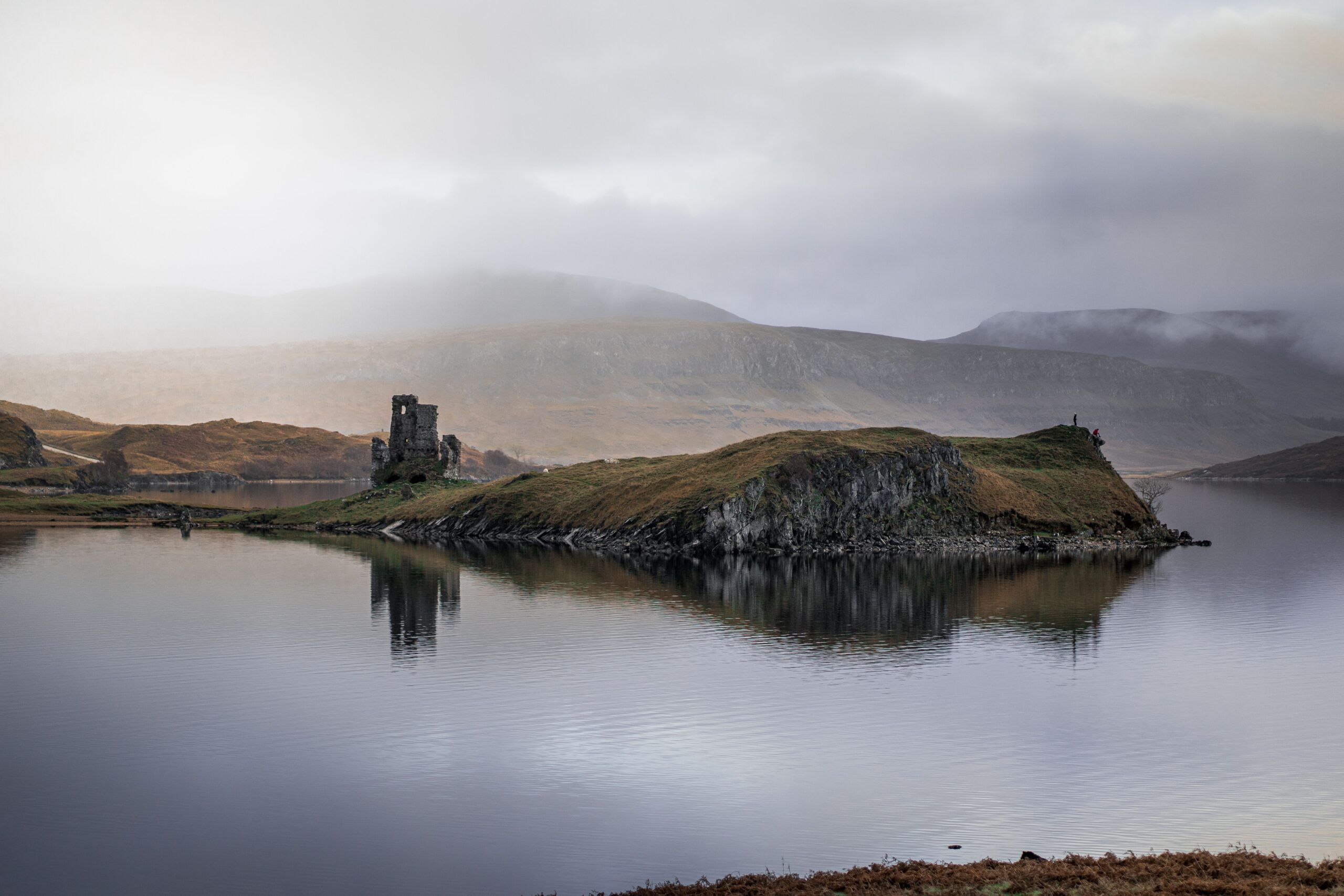
Loch Ness is a real, freely accessible freshwater loch in the Scottish Highlands, and it is a major, well-developed tourism destination. The Loch Ness Centre in Drumnadrochit and Urquhart Castle, a genuine historic ruin overlooking the loch, are the two most visited sites, alongside regular boat tours that use sonar equipment as part of the visitor experience. The Loch Ness & Morar Project and other ongoing research groups continue independent monitoring of the loch's ecology.
Related: More water spirits, lake monsters and ghost ships.
Frequently Asked Questions
Was the Surgeon's Photo really faked?
Yes. Christian Spurling confessed in 1994 that he built the model creature used in the photo at his stepfather Marmaduke Wetherell's request, and this account is corroborated by Wetherell's earlier hippopotamus-foot “footprint” hoax the same year.
Has sonar ever detected anything unusual in Loch Ness?
Yes, several surveys since the 1960s have recorded unexplained sonar contacts, though none have been scientifically confirmed as evidence of a large unknown creature.
What did the 2018 DNA study find?
Researchers sampling environmental DNA from the loch found no genetic evidence of a large reptile or unidentified species; the study did find unusually large amounts of eel DNA, which some researchers involved proposed as one possible, mundane explanation.
How old are Loch Ness monster legends?
Local tradition includes references going back centuries, including a commonly cited 6th-century account involving Saint Columba, though the modern wave of sightings and international fame dates specifically to 1933, after a lochside road was completed.
Can you visit Loch Ness?
Yes — it's a public loch with major tourist infrastructure, including the Loch Ness Centre, Urquhart Castle, and regular sonar-equipped boat tours.
Ghost-Hunting Gear & Further Reading
As an Amazon Associate, this site earns from qualifying purchases.
Related Legends
England has its own long-running cryptid mystery tied to real historical events rather than a lake — read our history of Black Shuck, England’s Phantom Black Dog.
For another famously debated mystery with a similar mix of real events and unverified claims, see our piece on the Bermuda Triangle, or browse our guide to haunted places in the United Kingdom.
Comments