This article contains affiliate links. If you buy through them, we may earn a commission at no extra cost to you.
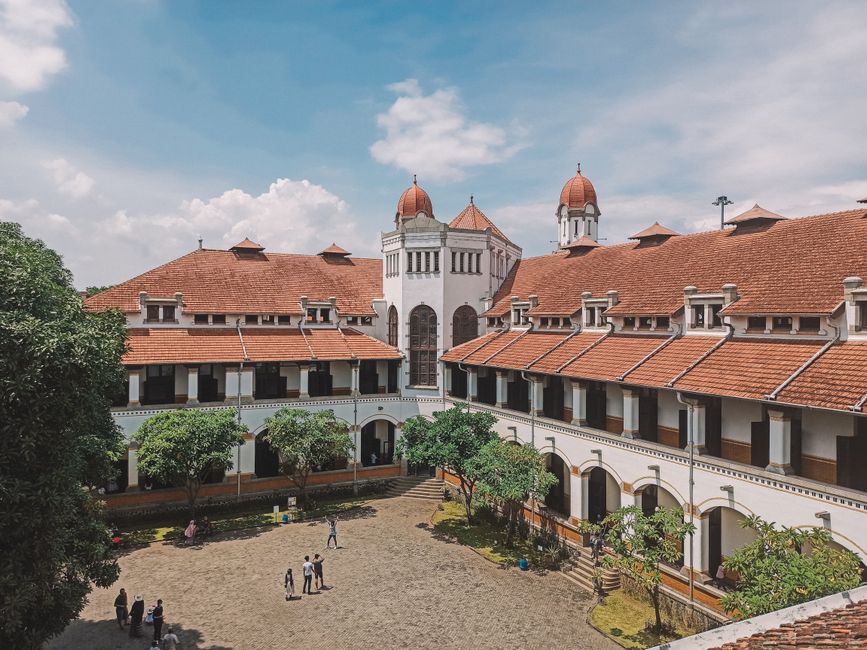
In Semarang, Central Java, a building nicknamed “A Thousand Doors” for its countless windows and doorways has become Indonesia’s most widely cited haunted location — and unlike many entries on this site, its darkest chapters are documented history, not folklore.
The History
Construction on Lawang Sewu began in 1904, with the first building completed in 1907 and the full complex finished by 1919. Dutch architect Jacob F. Klinkhamer designed it as the headquarters of the Dutch East Indies Railway Company (Nederlandsch-Indische Spoorweg Maatschappij), a genuine piece of colonial-era infrastructure rather than a building built with any dark purpose in mind.
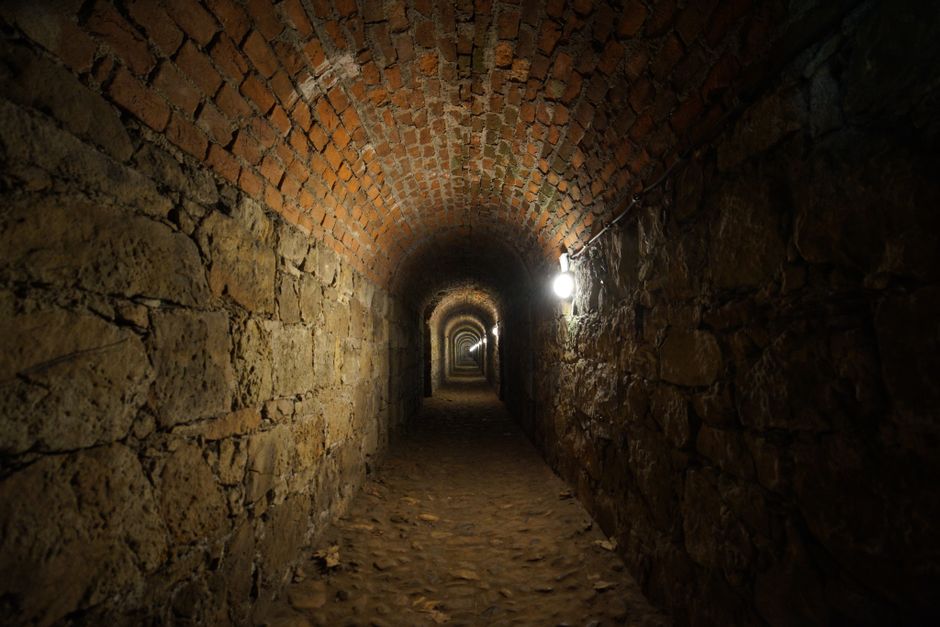
That changed after the Japanese invasion of Indonesia in 1942. Japanese forces converted parts of Lawang Sewu into a prison and interrogation site during World War II, with the building’s basement specifically used to hold and torture prisoners — a documented use, not embellished legend. Then, on October 14, 1945, shortly after Indonesia declared independence, the building became the site of the Battle of Semarang, a five-day armed conflict between the Railway Youth Force (AMKA) and remaining Japanese military police and forces, with casualties on both sides.
The railway company kept offices in the building for decades afterward. It wasn’t until 2009 that the administration finally relocated, clearing the way for Indonesia’s government to restore Lawang Sewu as a heritage site; it reopened to the public as a museum in 2011.
Where History Becomes Legend
Following independence, the building fell into decades of neglect, and it was during this abandoned period that ghost stories began accumulating around it — accounts of screams echoing from the basement torture cells, apparitions of Dutch and Japanese-era figures, and general feelings of dread reported by visitors exploring the crumbling structure. Local storytellers generally attribute the hauntings to the spirits of those who died during the Japanese occupation and the subsequent battle — a claim we could not independently verify person by person, though the scale of documented death and suffering during both periods makes the underlying premise more grounded than most haunted-building legends.
The building’s ghost stories were, by most accounts, cemented into wider Indonesian popular culture by the 2007 horror film Lawang Sewu: Dendam Kuntilanak, which brought the building’s local reputation to a national audience.
The Specific Ghosts People Report
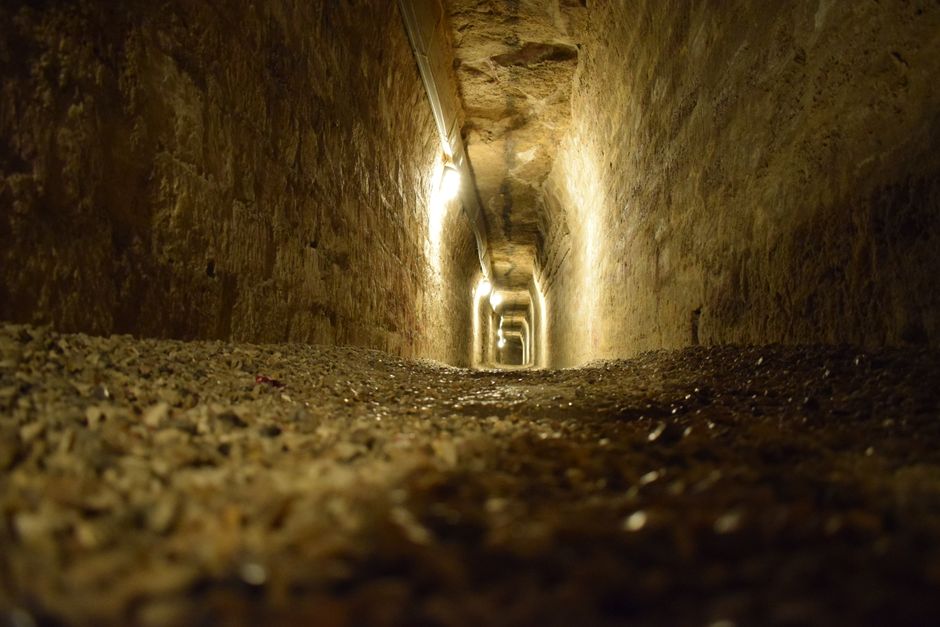
Ask around Semarang and the hauntings get more specific than “the building has ghosts.” The most repeated account centers on the basement, which floods to 10-20cm year-round and is said to be where Japanese forces beheaded prisoners; visitors and even security staff have reported headless figures moving through the flooded corridors, along with unexplained moans in a space that’s otherwise empty. Alongside the headless apparitions, local legend names a handful of recurring figures: a headless Dutch woman, a crying infant, a bride said to appear drenched in blood, and — echoing a fear that turns up across the region — a kuntilanak, the vampiric ghost of a woman who died in childbirth found throughout Indonesian and Malay folklore. None of this is independently verifiable, and it should be read as circulating local legend rather than a factual account of what happened in that basement.
The pattern — a colonial or wartime ruin where a specific violent history gets attached to a cast of named apparitions — isn’t unique to Indonesia. Cambodia’s Bokor Hill Station carries a similar reputation as an abandoned colonial-era complex where hauntings are tied to a documented history of hardship. And the region’s ghost lore keeps circling back to a particular image: Thailand’s Krasue and Cambodia’s Ahp are both floating-head spirits, trailing entrails, that appear independently across Southeast Asian folklore in ways that suggest a shared regional fear rather than isolated invention.
A Rare Case of Verified Tragedy Behind the Haunting
What separates Lawang Sewu from many “haunted building” legends worldwide is how much of its dark history doesn’t need embellishment — a colonial headquarters converted to a wartime prison and torture site, followed by an actual armed battle fought inside it, are documented facts rather than folklore. The ghost stories that followed may or may not reflect anything supernatural, but the suffering they’re attached to is real, documented 20th-century history.
Can You Visit?
Lawang Sewu now operates as a museum and heritage railway gallery under Indonesia’s national railway company, open to the public with restored sections alongside preserved areas depicting its wartime use. Guided tours run through the basement itself, and it’s the section most visitors specifically ask for. Visitors should approach the site primarily as a genuine historical museum — the ghost stories are part of its draw, but the documented history of occupation and conflict deserves the same respect given any site of real wartime suffering.
Frequently Asked Questions
Is Lawang Sewu’s dark history documented fact or legend?
Documented fact — Japanese forces converted parts of the building into a prison and interrogation site during WWII, and the 1945 Battle of Semarang is independently recorded history, not folklore.
What does “Lawang Sewu” mean?
“A Thousand Doors” in Javanese, a nickname referring to the building’s countless windows and doorways rather than a literal count.
Why is the basement the most haunted part of the building?
It’s where the documented WWII torture and interrogations reportedly took place, and it’s permanently flooded, which is why most of the specific ghost accounts — headless figures, moaning voices — are set there rather than elsewhere in the complex.
Can tourists actually go into the basement?
Yes. Guided tours include the basement level, and it’s typically the part of the visit guides spend the most time on given its history and reputation.
Is the kuntilanak specific to Lawang Sewu?
No — the kuntilanak is a widespread figure in Indonesian and Malay folklore generally, not a legend invented for this building. Its presence in Lawang Sewu stories reflects the culture’s broader ghost lore being attached to a real location with a documented tragic history.
Ghost-Hunting Gear & Further Reading
- Books on Indonesian history and Japanese occupation of Southeast Asia
- Southeast Asian haunted places and colonial history guides
As an Amazon Associate, this site earns from qualifying purchases.
Comments