This article is part of World Urban Legend's ongoing survey of creation myths and founding legends across Southeast Asia and the Pacific. Some sections below include Amazon affiliate links. If you buy something through them, we may earn a small commission at no extra cost to you. We only recommend books and resources we believe add real value to readers researching Southeast Asian folklore.
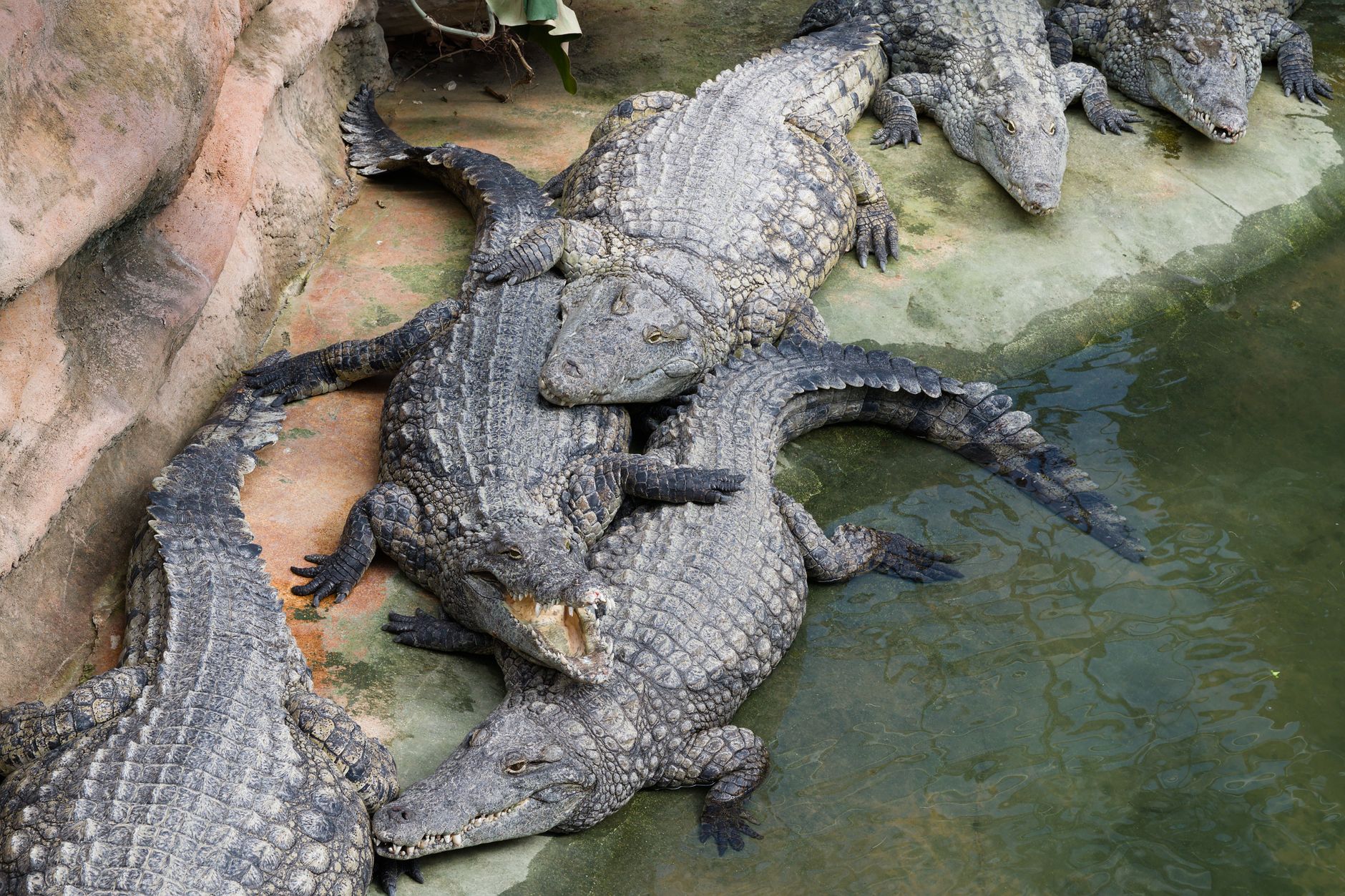
Look at a map of Timor-Leste from just the right angle, and the coastline does something odd. It curves and tapers the way a long-bodied reptile does when it's floating still on the surface of the water, snout at one end, tail trailing at the other. Locals have a name for what you're seeing: they call the island the Land of the Sleeping Crocodile. That is not a poetic flourish invented by a tourism board. It is the ending of a story every Timorese child learns before they can read, a story that explains where the land itself came from.
The story is called Lafaek Diak — “the good crocodile” in Tetum, the country's national language.
A Boy, a Dying Creature, and a Debt
The version told across Timor-Leste varies in its small details from village to village, but the frame stays remarkably consistent. A boy finds a young crocodile stranded far from water, exhausted and close to death after being swept from its lagoon or dragged inland by a flood. Most animals in that boy's position would have been left to die or driven off as a threat. He does neither. He carries the crocodile back to the sea himself, at real risk to himself, and lets it go.
The crocodile does not forget. In the tellings that follow, it grows into an old, enormous creature, and the two become inseparable. The boy rides on its back as it swims, and together they travel far beyond the shores where they first met — some versions say the crocodile carries him across open ocean to see distant lands, a debt of gratitude repaid many times over in adventure and protection.
Old age comes for the crocodile the way it comes for every living thing in the story. Sensing its own death, the crocodile makes the boy one last promise: it cannot repay a debt this large with anything ordinary, so it will give him something no creature has ever given a human being before. Its own body. When it dies, its long back will stretch out and hold its shape, transforming into solid land — a home for the boy and every descendant who comes after him, for as long as they remember where the land came from.
It keeps that promise. The crocodile's body becomes the island of Timor, curved and ridged exactly as its living form once was, which is why the shape is still visible from above today.
Why the Ending Matters More Than the Adventure
It would be easy to read Lafaek Diak as a straightforward animal-buddy story with a poetic twist ending, but that undersells what the myth is actually doing. Most origin stories about land explain geography through violence — a battle between gods, a monster slain and its corpse becoming mountains and rivers. Lafaek Diak does something quieter. The land exists because of an act of mercy, repaid across a lifetime, and finally sealed by a voluntary sacrifice. There is no conquest anywhere in the story. The foundational act of the nation, in its own founding myth, is a child choosing not to walk past something weak and dying.
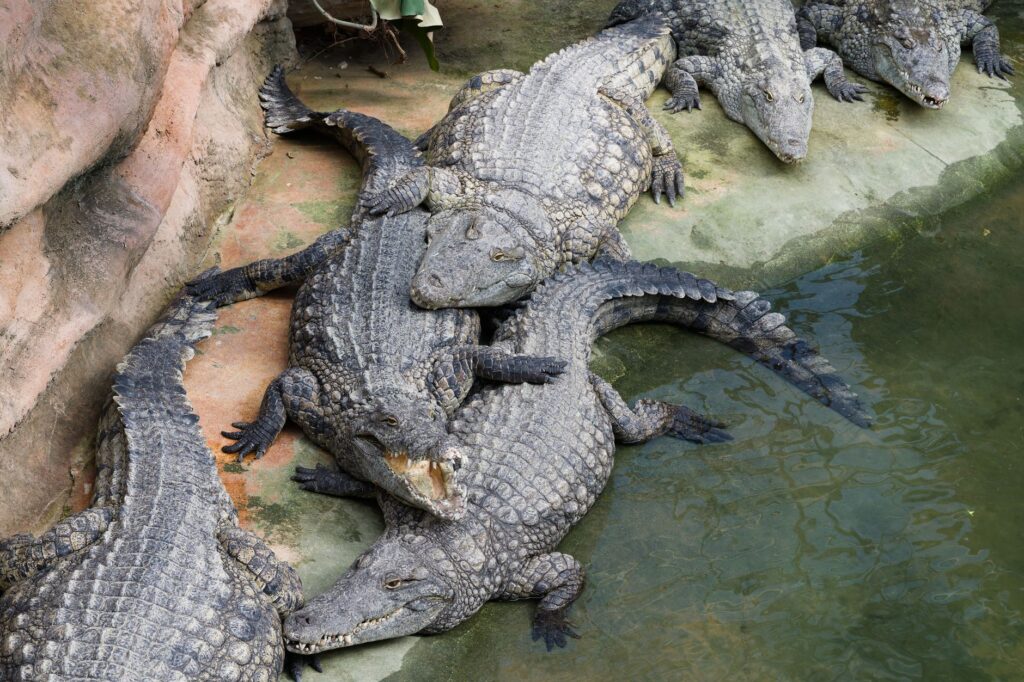
That framing shapes how the crocodile is treated in Timor-Leste even now. Saltwater crocodiles are common and genuinely dangerous along the country's coasts and rivers, responsible for real attacks on people every year. And yet the traditional response to a crocodile encounter has rarely been simple extermination. Many Timorese refer to crocodiles as Avo Lafaek, “Grandfather Crocodile,” language that treats the animal less as vermin and more as an ancestor who happens to still be walking — or swimming — among the living. Under the traditional belief system known as lulik, harming a crocodile without cause can be seen as a serious taboo, an offense against something closer to kin than wildlife.
A National Symbol Without a National Law
Here is the detail that surprises most outsiders: Timor-Leste has never formally legislated the crocodile as its national animal. It does not need to. The myth has done that work for centuries, long before the country existed on paper as an independent state in 2002. The crocodile appears in Timorese art, in oral storytelling passed through generations, and in the everyday geography lesson every child gets simply by looking at a map and being told what shape they're looking at.
Conservationists working in the region have noted a real, practical consequence of this reverence: it complicates modern efforts to manage a growing and increasingly dangerous crocodile population, because culling programs run directly against beliefs that treat the animals as ancestral figures rather than pests. Whatever position anyone takes on that policy question, it says something about the staying power of Lafaek Diak that a story about a boy and a dying crocodile still shapes real decisions in Timor-Leste today.
Related: Gustave the Crocodile: Burundi’s Real Man-Eating Giant.
Learn More
Readers interested in Southeast Asian and Pacific creation mythology may want to explore further:
- The Complete World of Greek Mythology — a broad reference point for comparing how different cultures explain the origin of land and nations
- Myths of the World: An Illustrated Guide — useful for readers building a personal library of global folklore, including lesser-covered regions like Timor-Leste
- Field Guide to Crocodilians — for readers curious about the real saltwater crocodiles behind the legend, their biology, and their behavior in the wild
As an Amazon Associate, World Urban Legend earns from qualifying purchases made through the links above.
Comments