Disclosure: This article contains affiliate links. If you buy something through one of these links, World Urban Legend may earn a small commission at no extra cost to you. We only link to books and products genuinely relevant to the legends we cover.
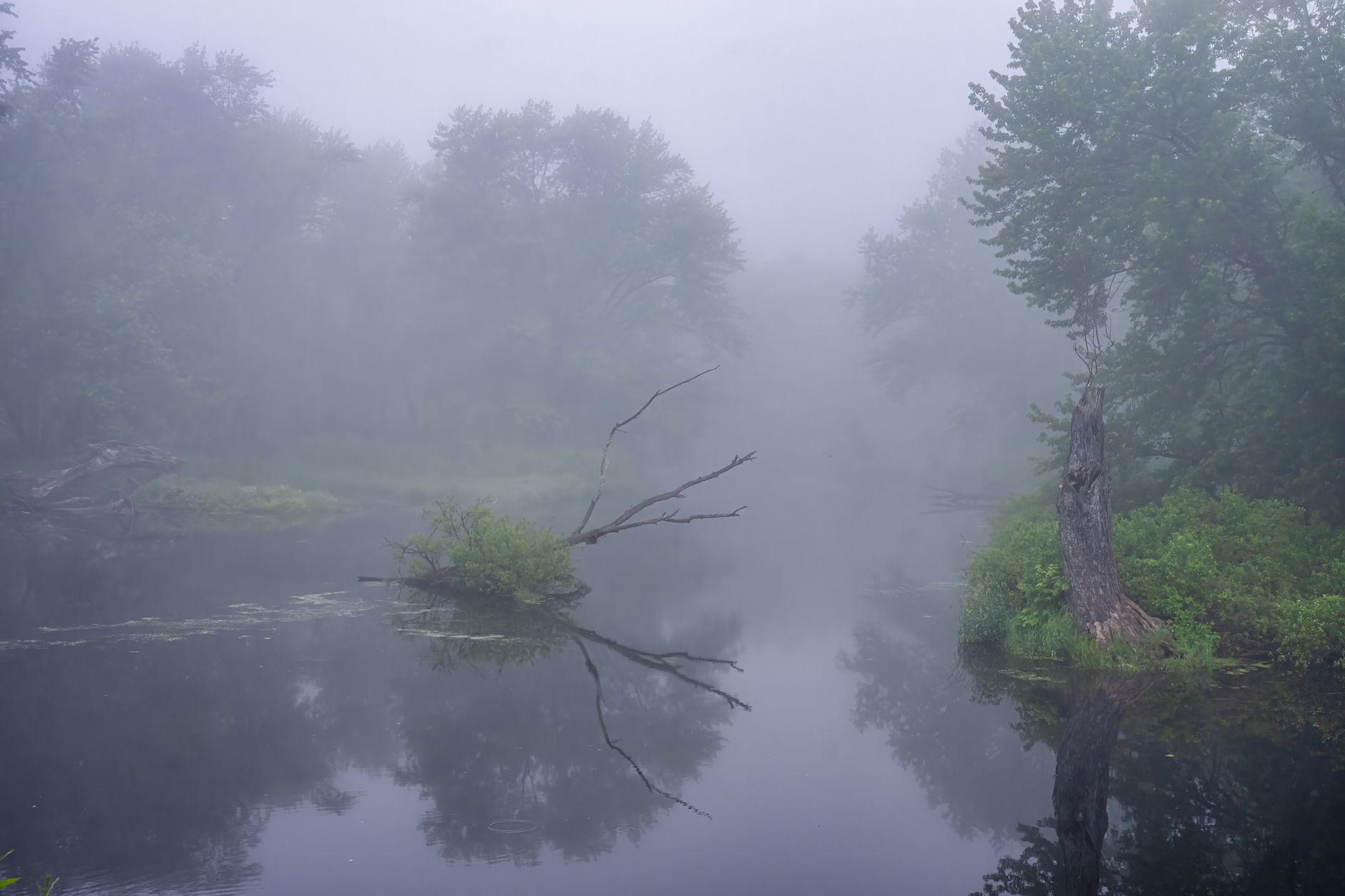
Ask anyone who grew up near the rivers of Chiriquí or the Comarca Ngäbe-Buglé about noises after dark, and sooner or later someone brings up the crying. Not a child crying — a woman's, thin and searching, drifting along the water at the exact hour when it's too late to still be outside. Parents don't explain much beyond that. They just call the children in.
The woman behind the crying is La Tulevieja, and in Panama she is treated less like a story and more like a standing rule about rivers after dark.
Who She Was Before She Was a Ghost
The version passed down through Panamanian and Costa Rican households starts with an ordinary transgression. A young woman becomes pregnant outside of marriage — by a lover, in some tellings a wandering spirit — and carries the shame alone. Rather than face her family, she takes the newborn to a river and drowns it.
Punishment follows fast and permanent. She is transformed into a monster and bound to the waterways for eternity, her body rewritten as a warning made flesh: bat wings, backward or chicken-like feet, a face pitted with holes from which long strands of hair grow out. She eats charcoal and ash. Her breasts stay perpetually full of milk for the child she will never hold again, and where she walks, trails of ants follow the spilled milk — a detail that shows up again and again in accounts collected from the region, oddly specific for something meant to be frightening only in the abstract.
Once a month, the story softens just enough to be worse. Under a full moon, she regains her human shape and bathes in the river, as if the punishment pauses to let her remember what she lost. Loud noises snap her back into monstrous form immediately, so anyone who stumbles on her during this window is advised to stay quiet.
The Hat That Named Her
Her name comes from what she wears: a drooping, weathered tule hat, the kind rural women once used for shade while working the land or hauling water. In some retellings the hat isn't decorative at all — it's what's left covering her ruined face, the one part of her old life she never takes off. “Tule-vieja” reads plainly enough once you know it: old woman of the tule.
That plainness is part of why the legend traveled so well. She isn't a demon summoned from nowhere. She's a peasant woman, recognizable by her clothing, doing something a real woman in that region might actually have done on her way to the river.
Older Than the Hat Suggests
Spanish colonization gave La Tulevieja her current name and her Catholic-flavored guilt narrative, but the figure underneath is older and belongs to Panama's indigenous peoples first. Among the Bribri, who along with the Cabécar and Huetar occupy the Talamanca region straddling the Panama-Costa Rica border, she traces back to a spirit called Itsö. The Ngäbe-Buglé, Panama's largest indigenous group, know a version of her as Tepesa. The Spanish oral tradition layered its own morality tale on top of an entity that indigenous cosmology had already placed by the water, long before anyone called it a sin to lose a child that way.
That layering explains why the legend refuses to sit still geographically. She's tied to Lake Gatún in Colón province, to the rivers threading through the Comarca Ngäbe-Buglé, and to the Talamanca borderlands where the Bribri and Cabécar first told a different version of the same warning. Wherever there's moving water and a reason to keep children away from it after dark, some form of her tends to show up.
Family Resemblance
Anyone familiar with Mexican folklore will recognize the shape of this story instantly. La Tulevieja is frequently discussed as a regional cousin of La Llorona, the weeping woman who drowned her own children and now wanders searching for them across Mexican and broader Latin American tradition. The two aren't identical — La Tulevieja's transformation is more literal and more grotesque, wings and talons instead of a ghostly woman in white — but the emotional engine is the same. A mother's crime against her own child gets punished by turning her into the thing she fears most: someone permanently, hopelessly unable to find what she destroyed.
Folklore researchers who've collected the story firsthand note it as one of the most culturally persistent tales in Panama, still told with a straight face by people who grew up with a real river within walking distance.
What to Do If You Hear Her
The old advice is specific: if you hear crying by a river at night in Panama, don't go looking for the source, and don't linger to place it. Some versions hold that reciting a prayer — “Alabado sea el Santísimo” — will send her off, or that tule reeds themselves carry a protective charge strong enough to keep her at bay. None of it is complicated. It amounts to the same instruction parents everywhere give near water after dark: come inside, and don't ask why twice.
Related: More legends from Mexico and Central America.
Learn More
Readers interested in the wider family of Latin American river ghosts and cautionary folklore may enjoy going deeper into the source material and comparative mythology:
- Latin American Folktales (Editor: John Bierhorst) — a well-sourced anthology covering the region's oral traditions, including weeping-woman and river-spirit stories: Check on Amazon
- The Book of Legendary Lands and similar folklore reference collections for readers building a personal library of world mythology: Check on Amazon
- Field recorders and journals for anyone documenting oral history or local legends on their own travels: Check on Amazon
As an Amazon Associate, World Urban Legend earns from qualifying purchases.


Comments